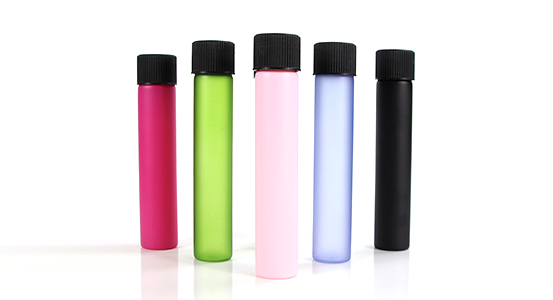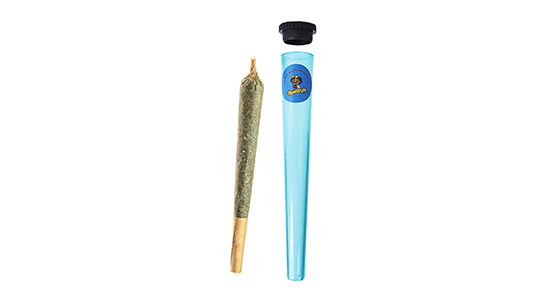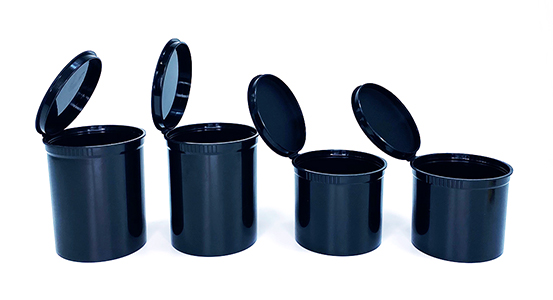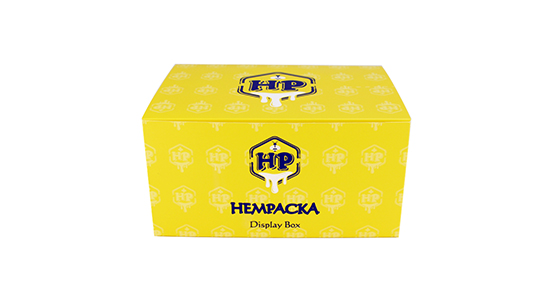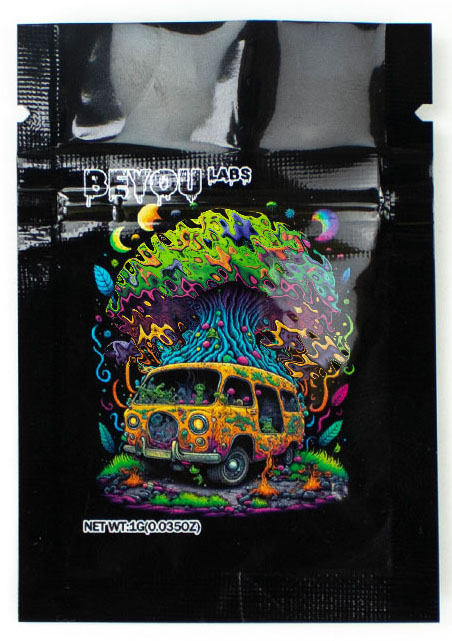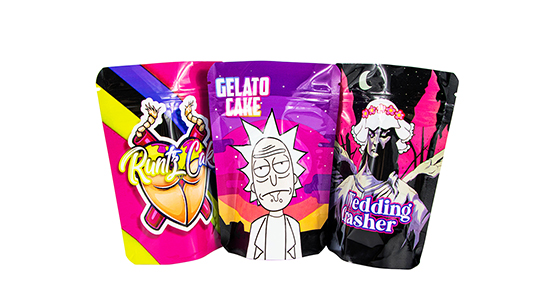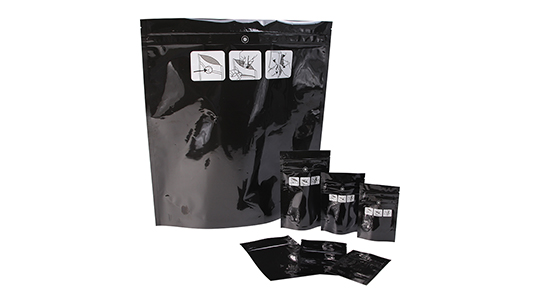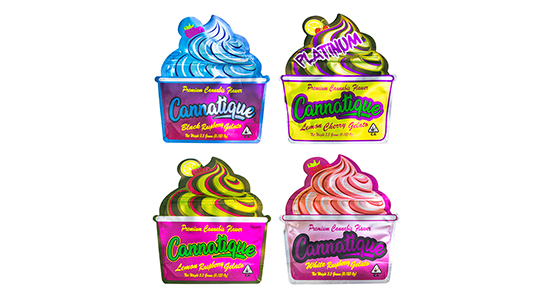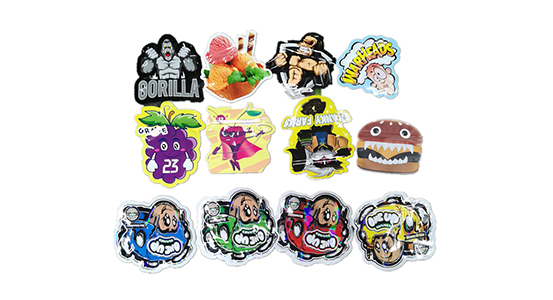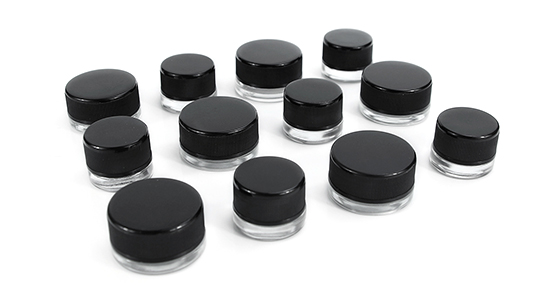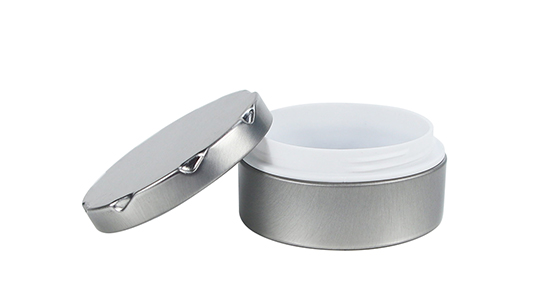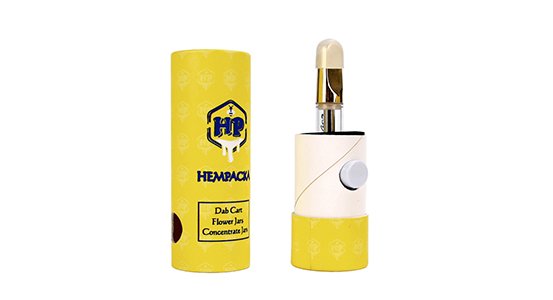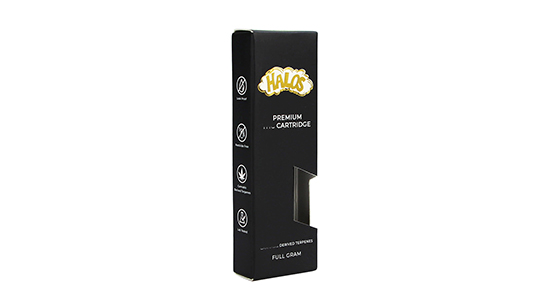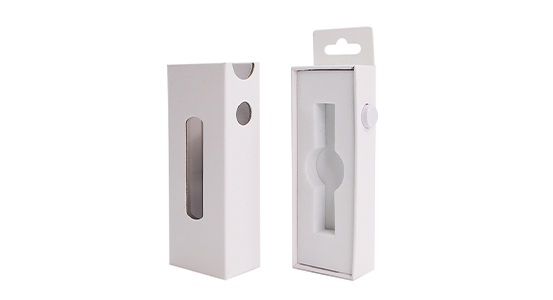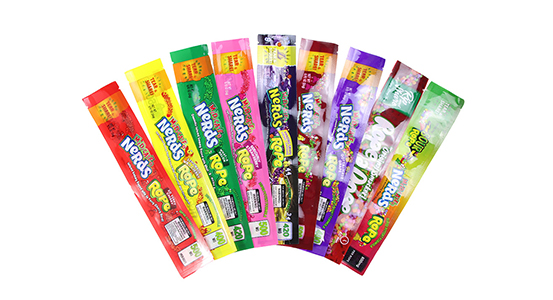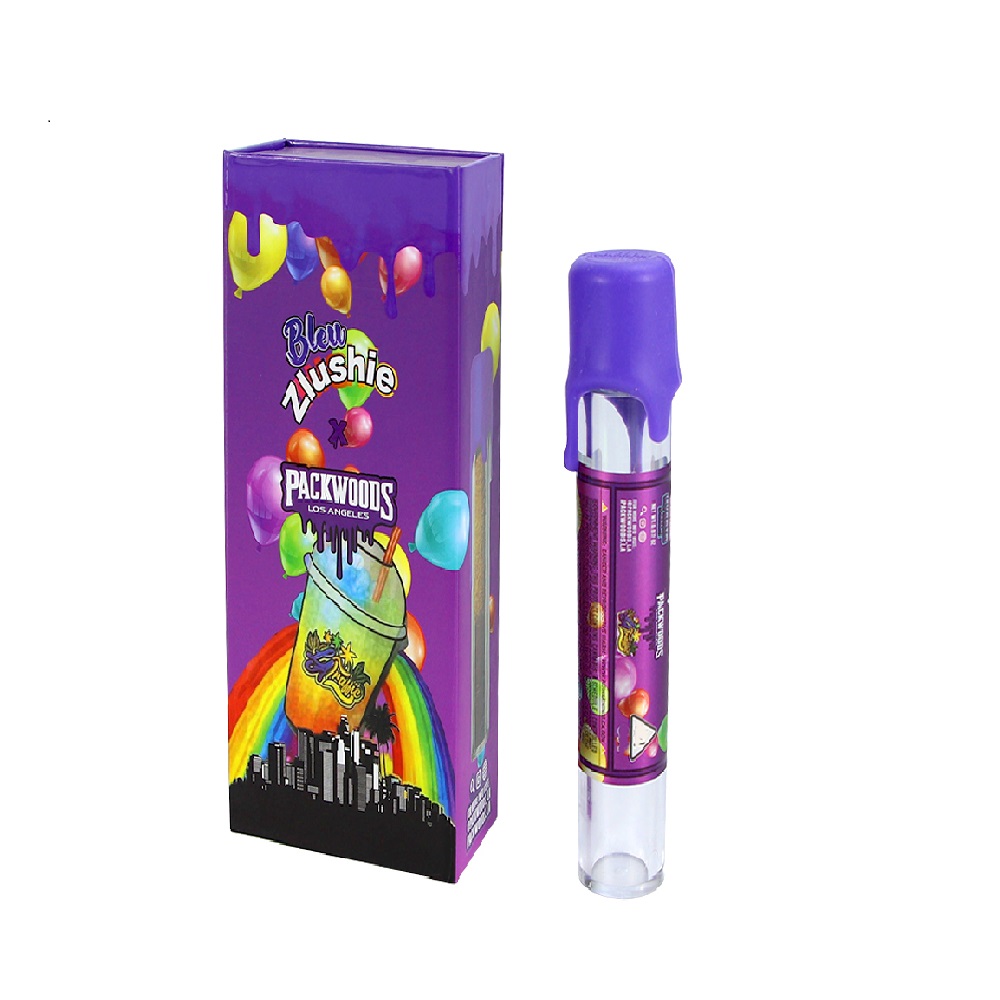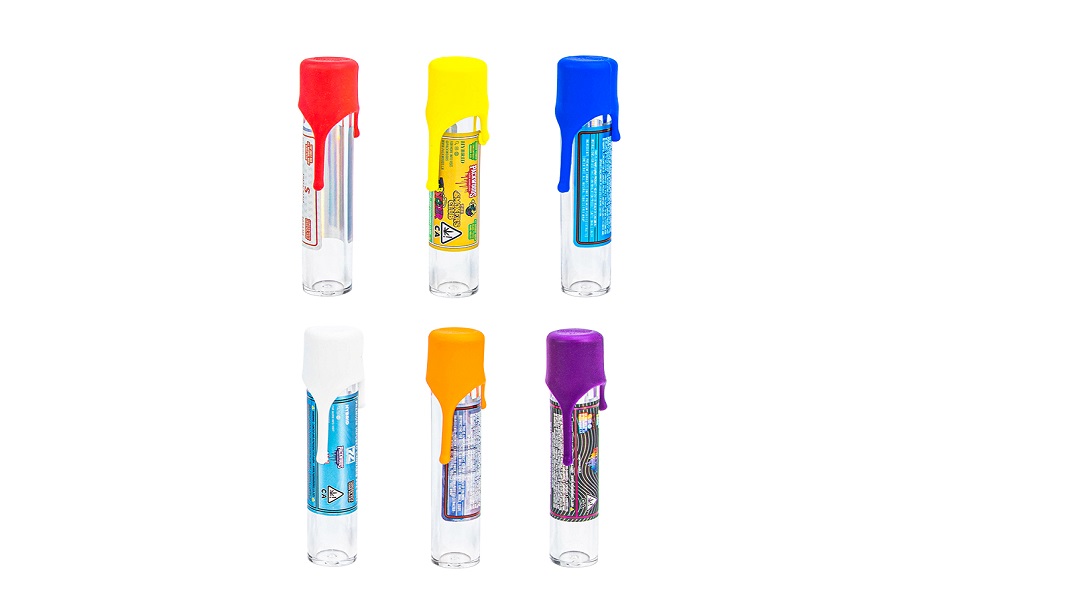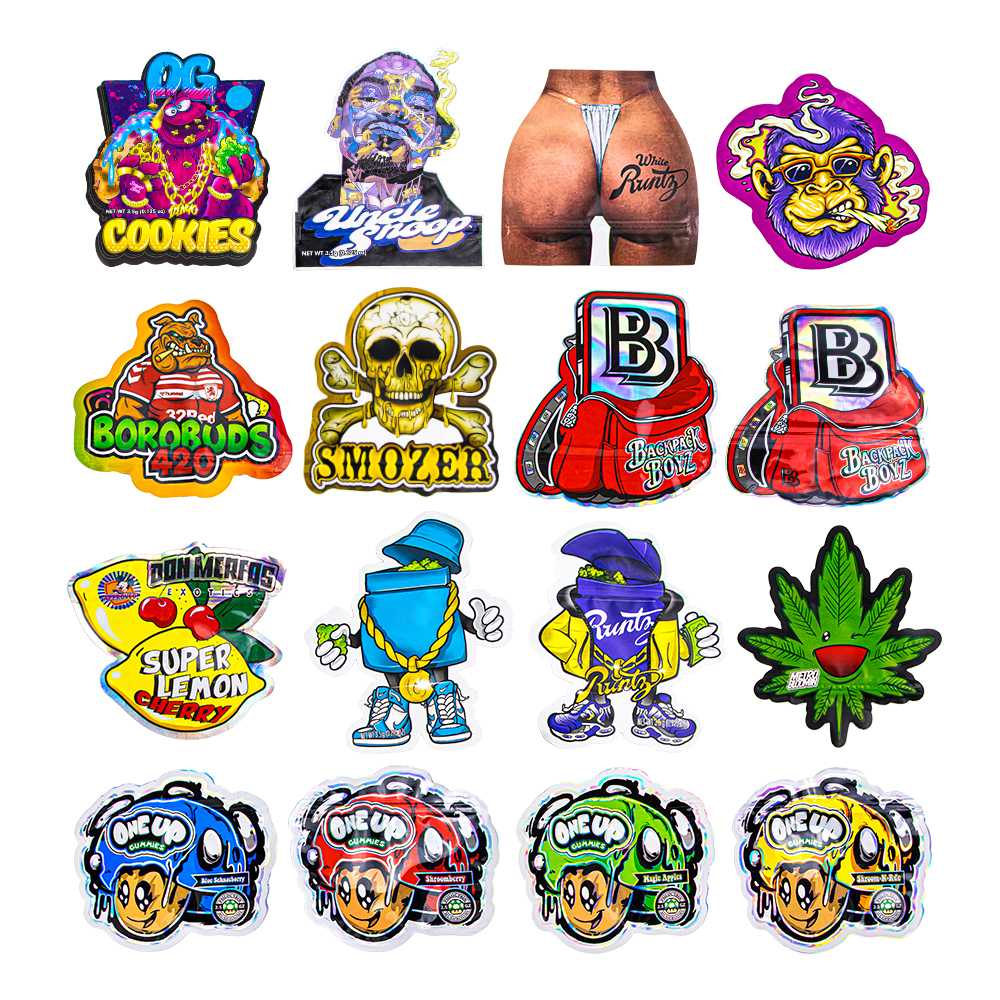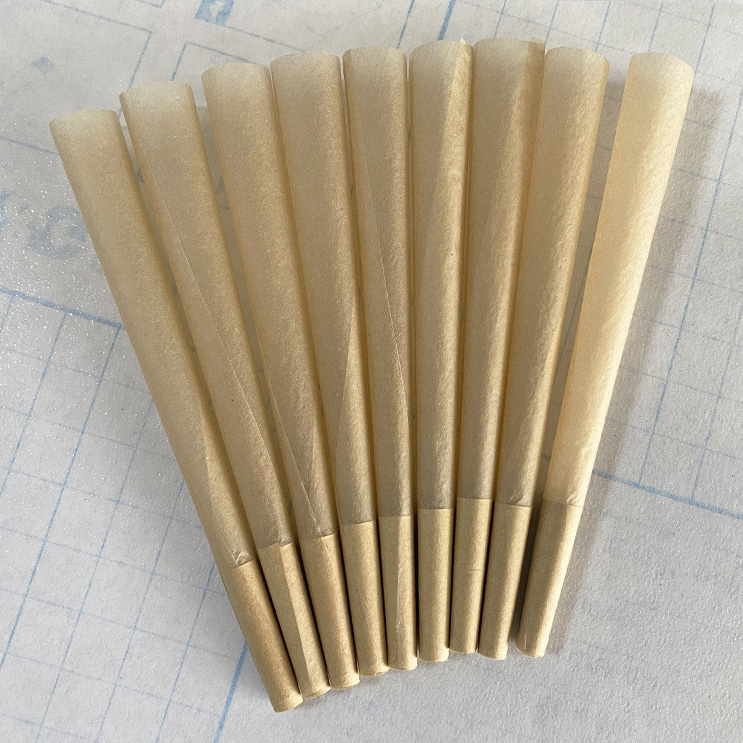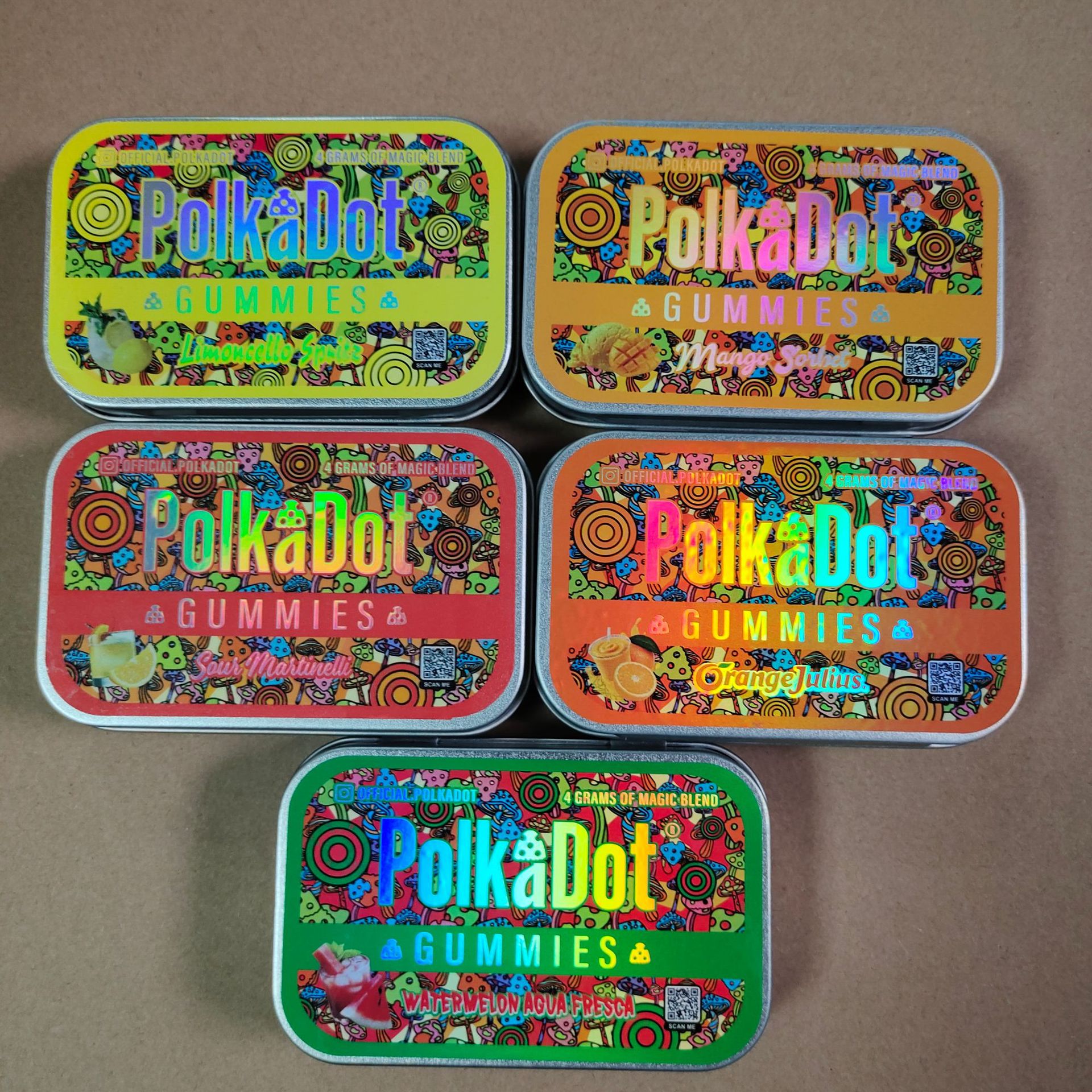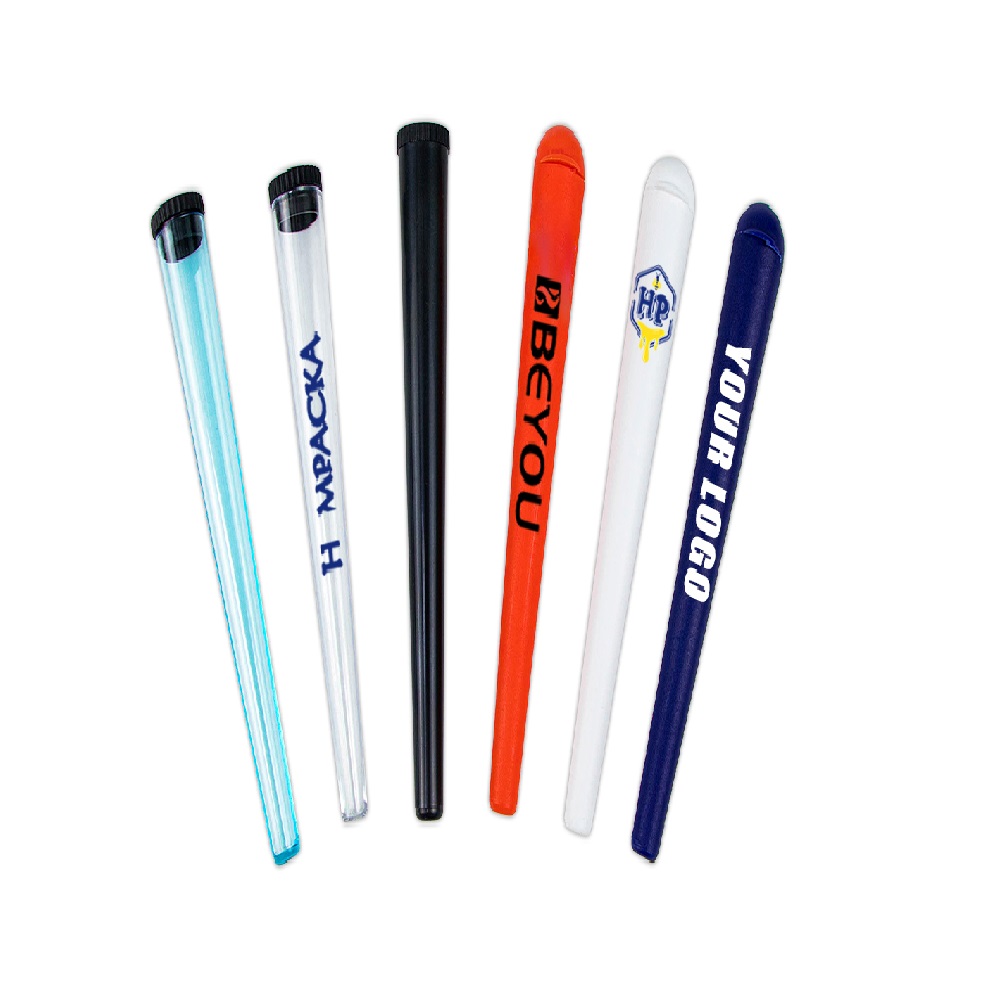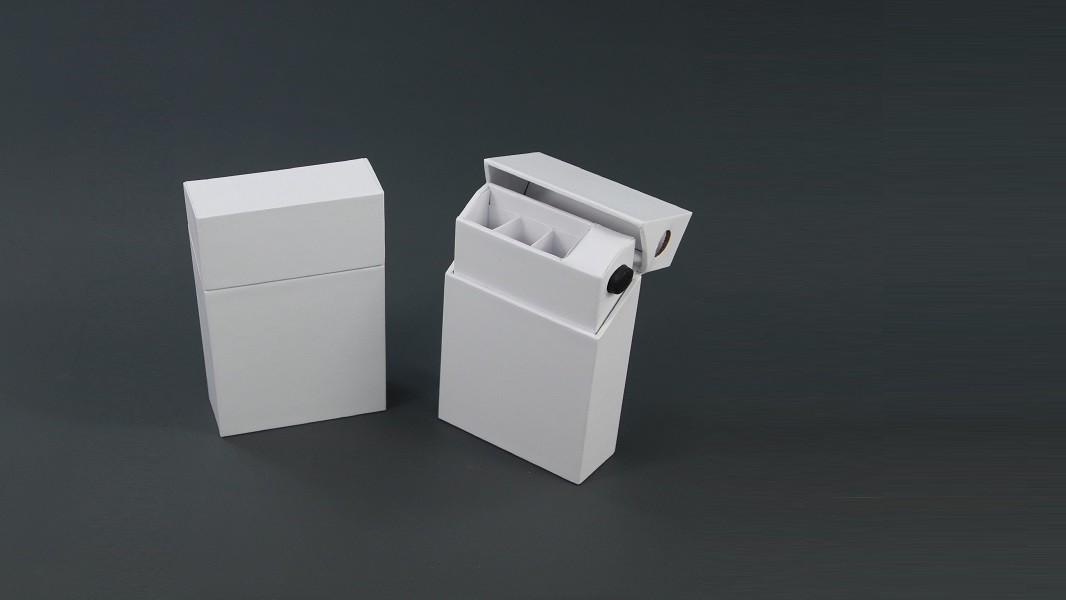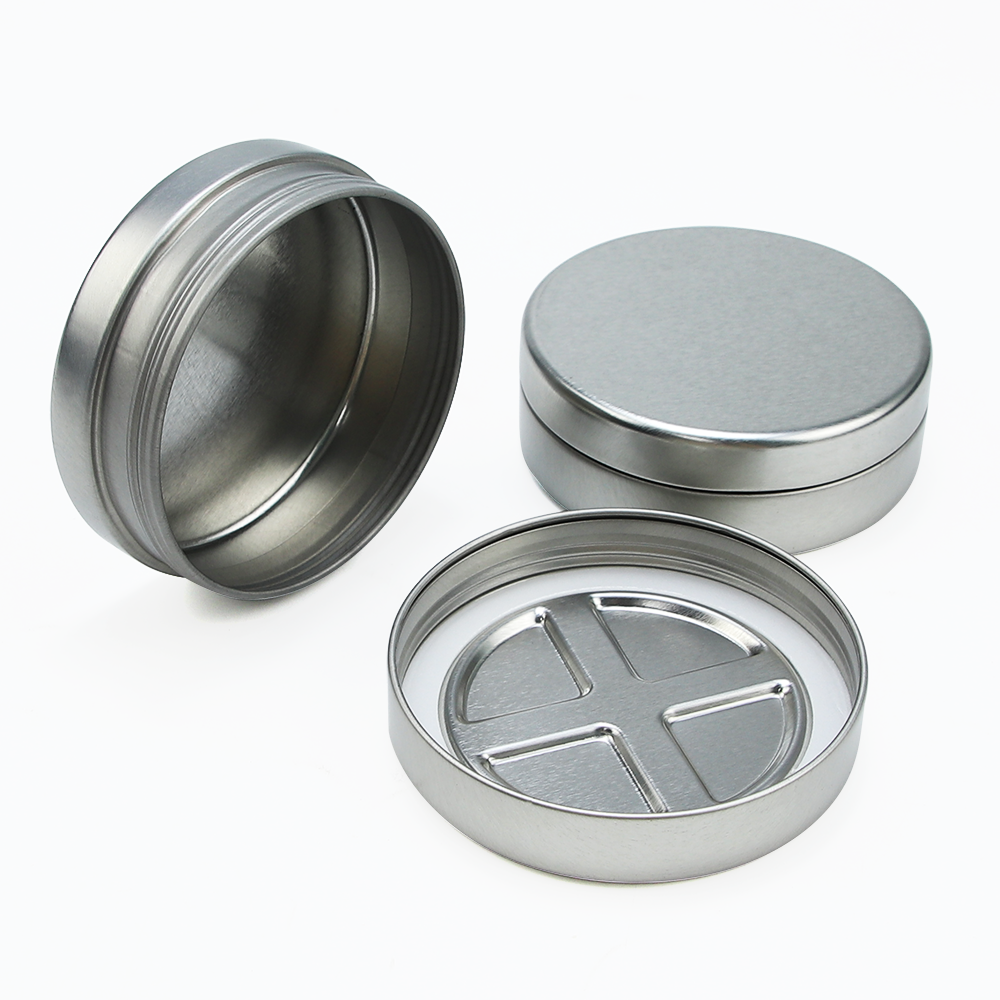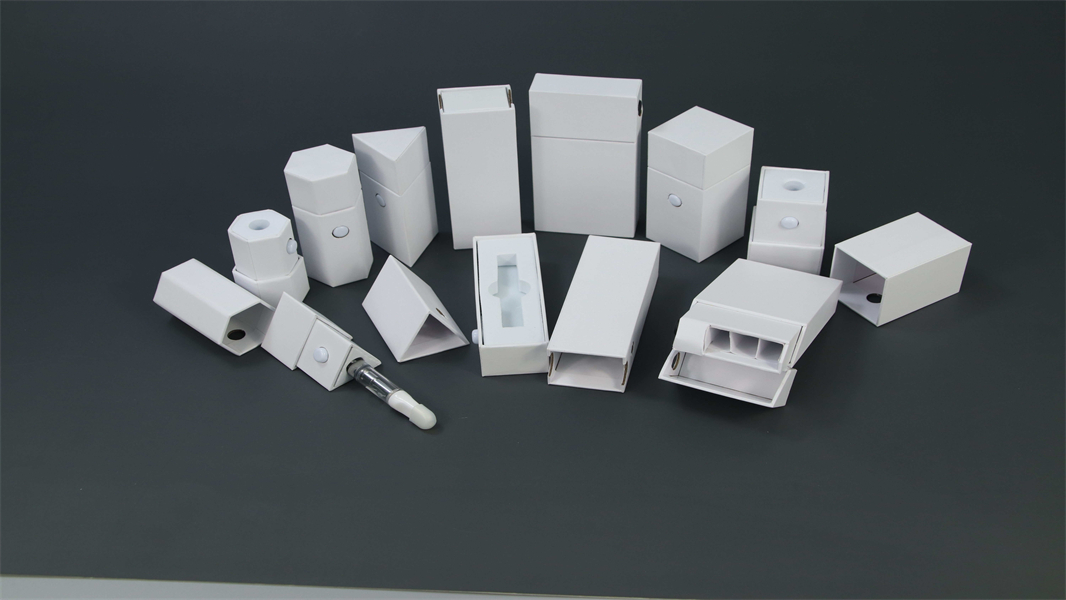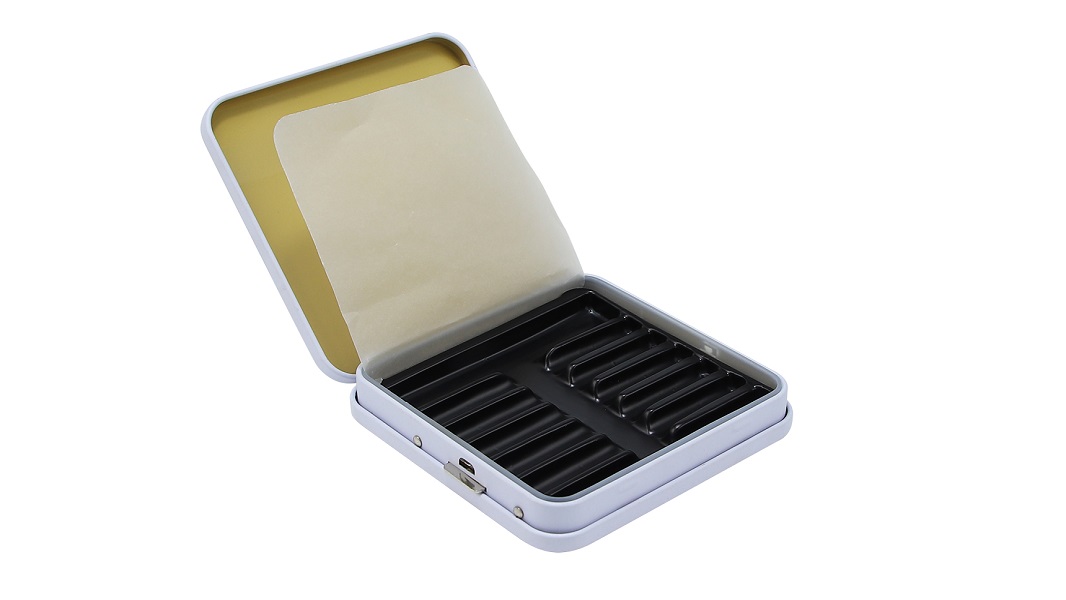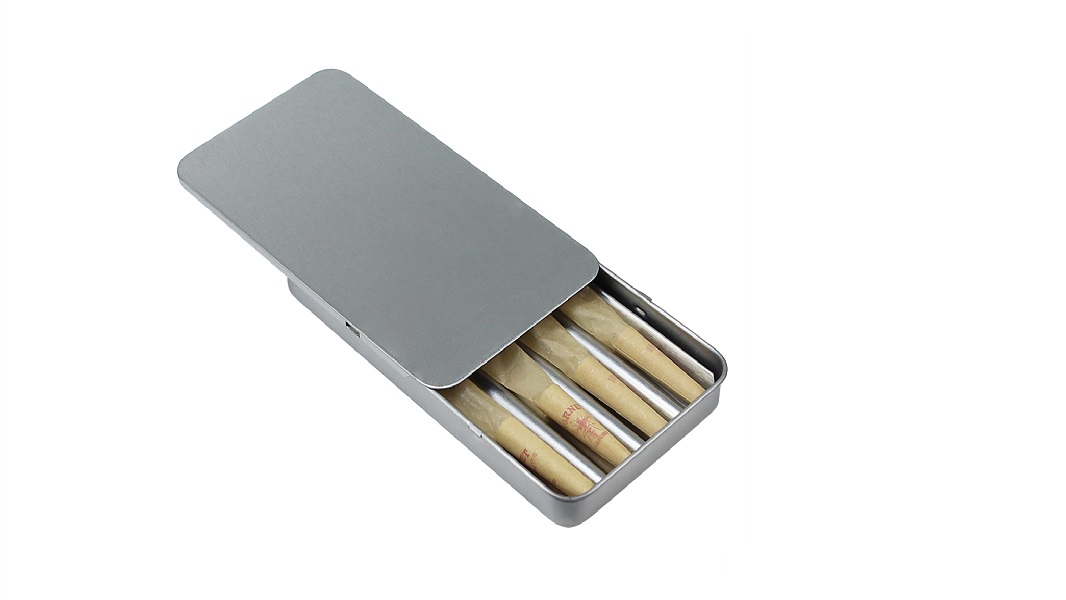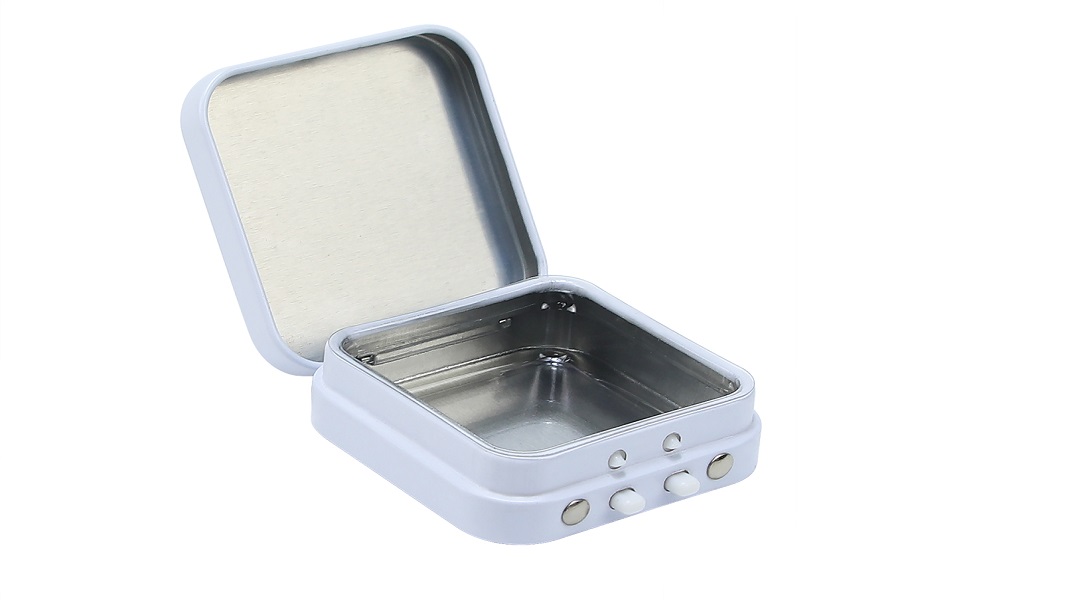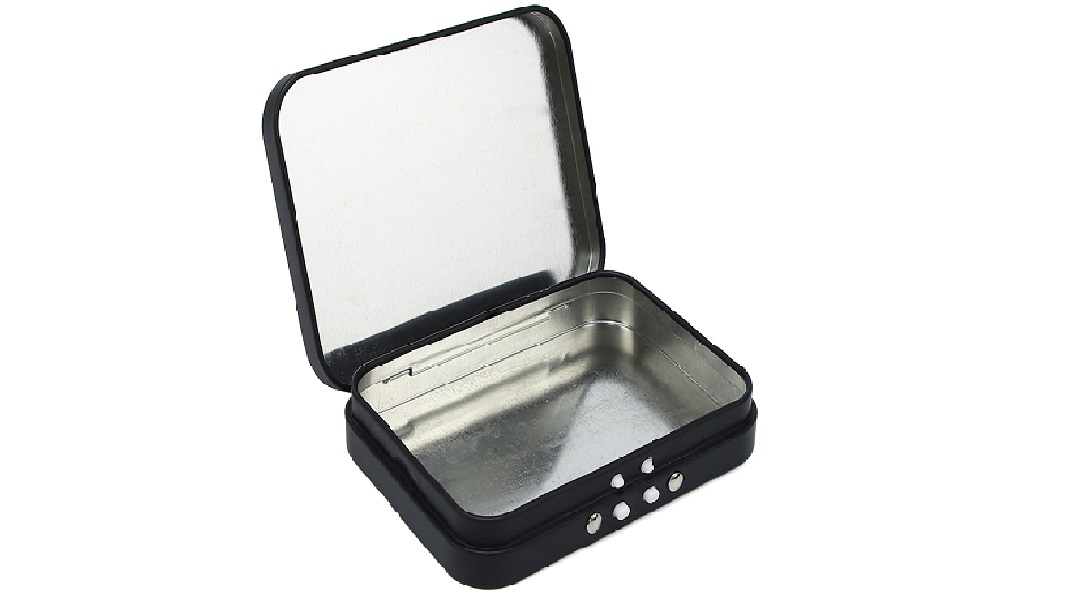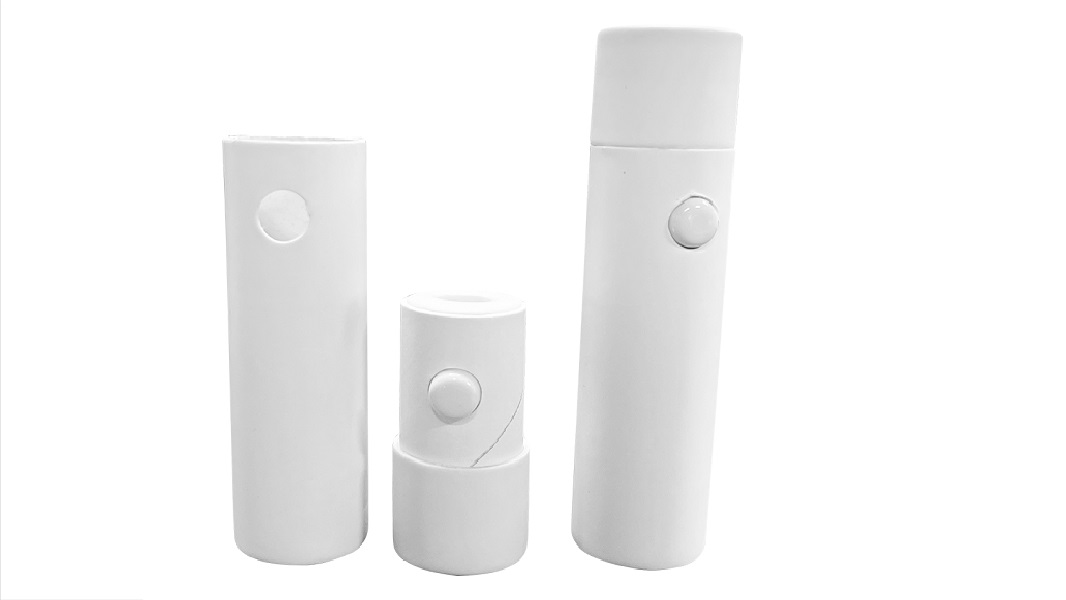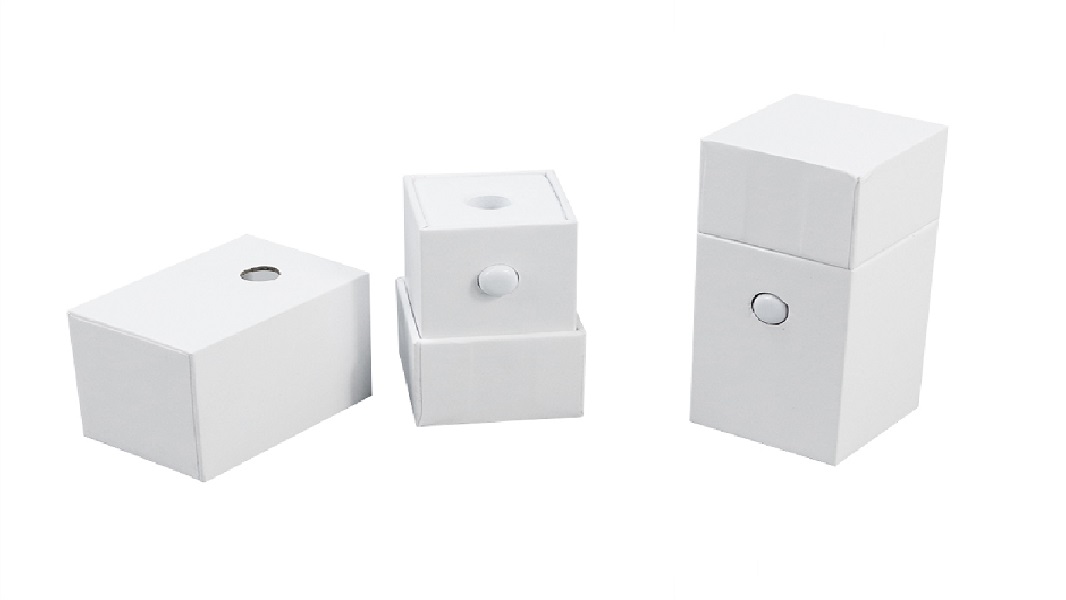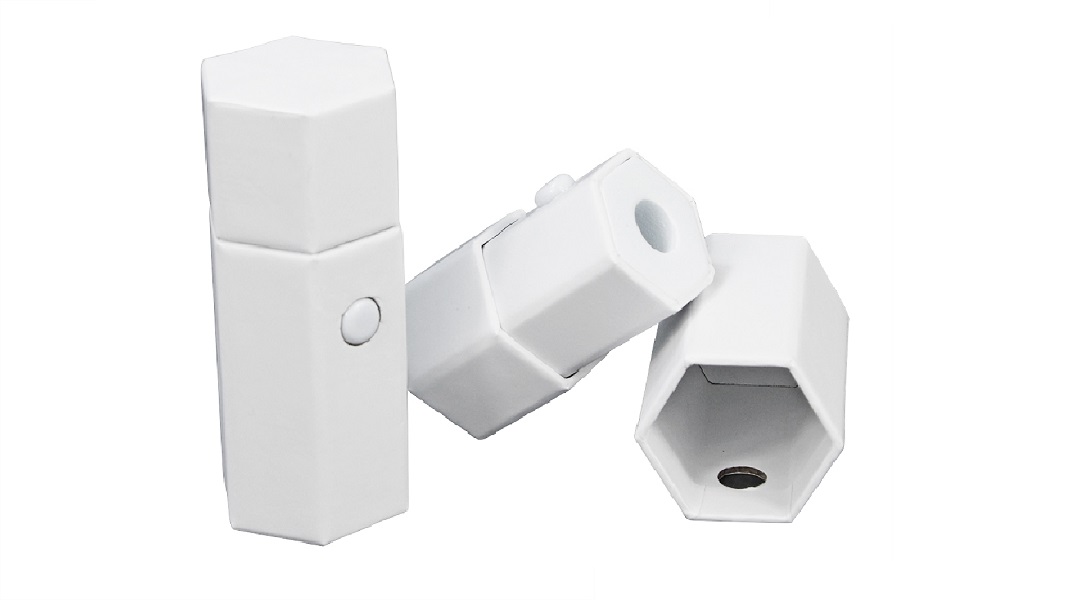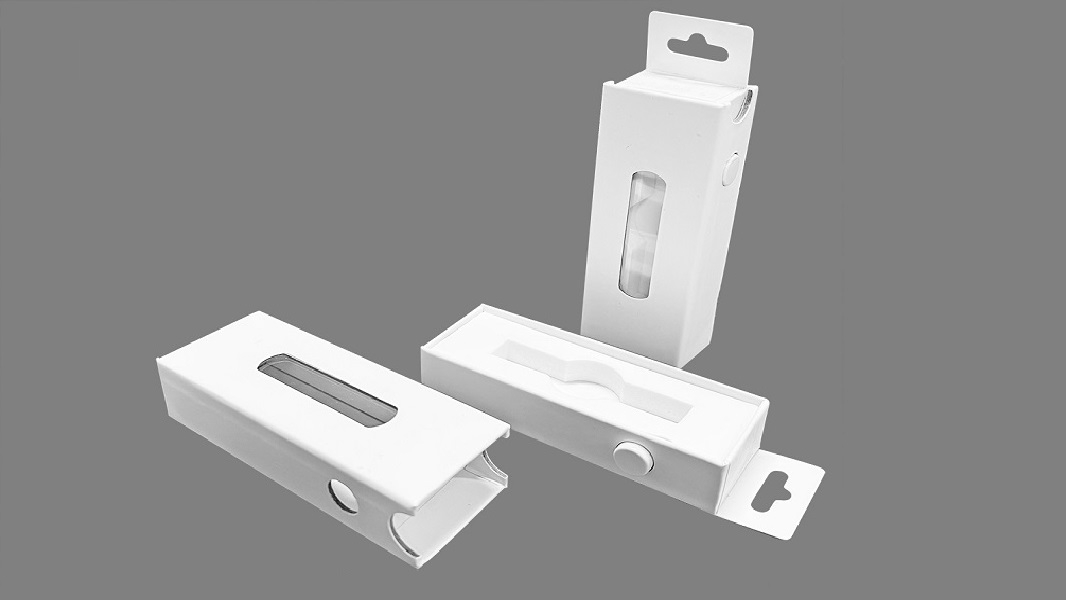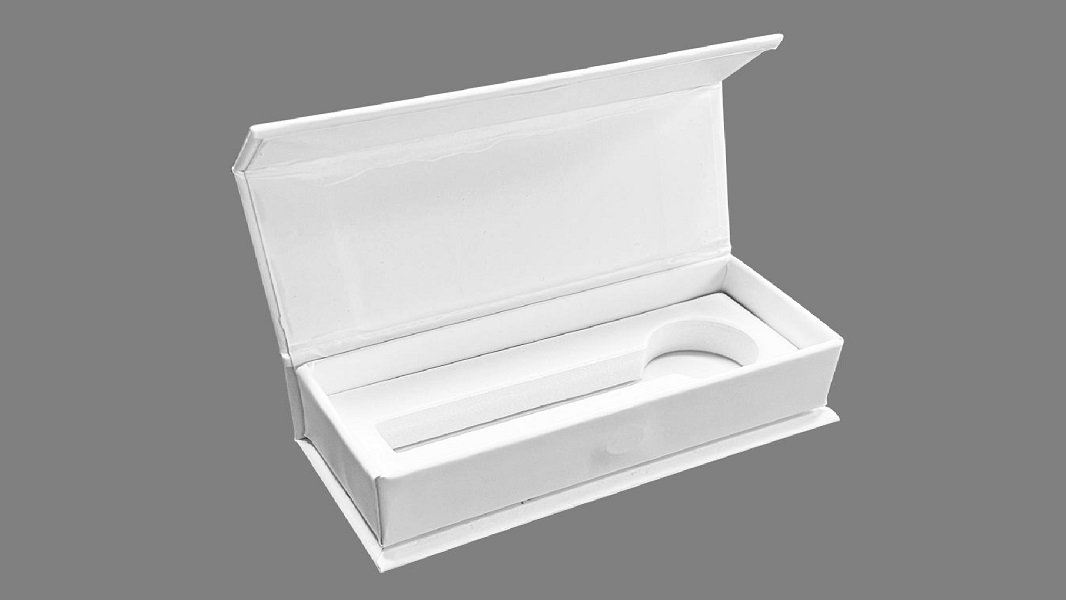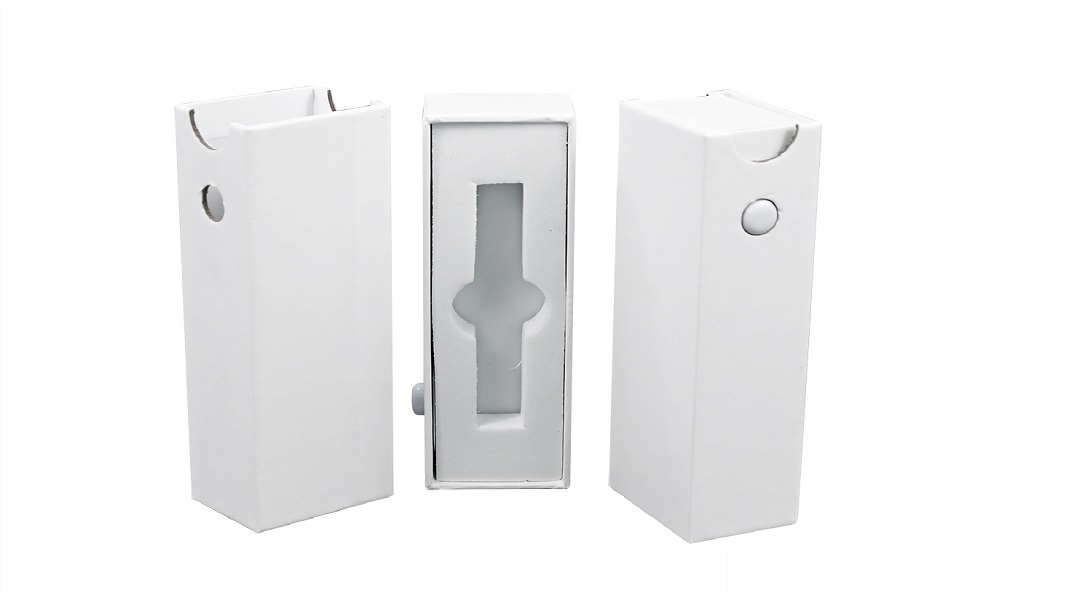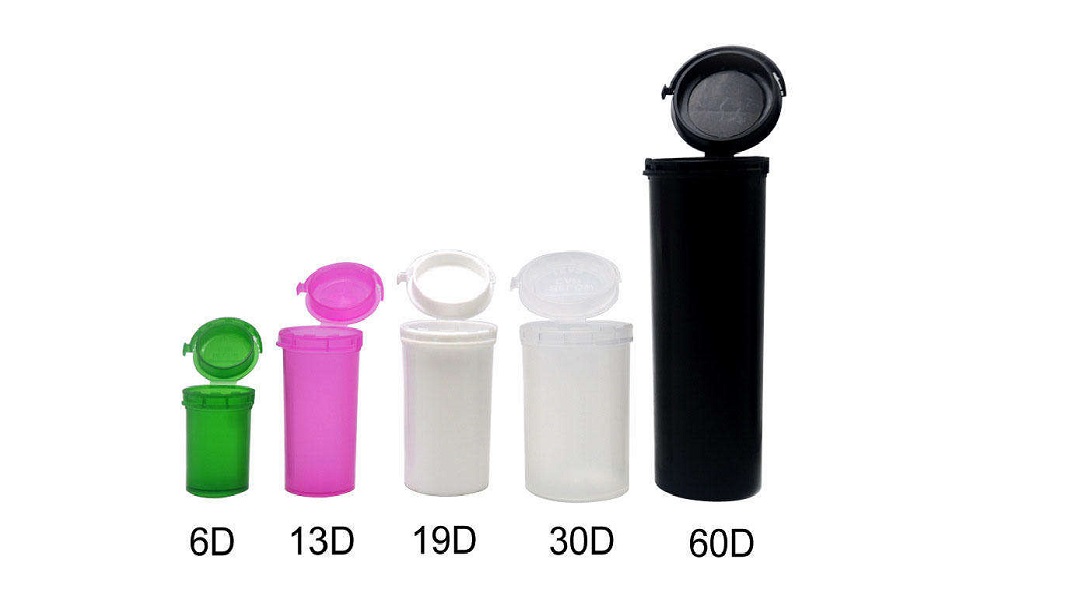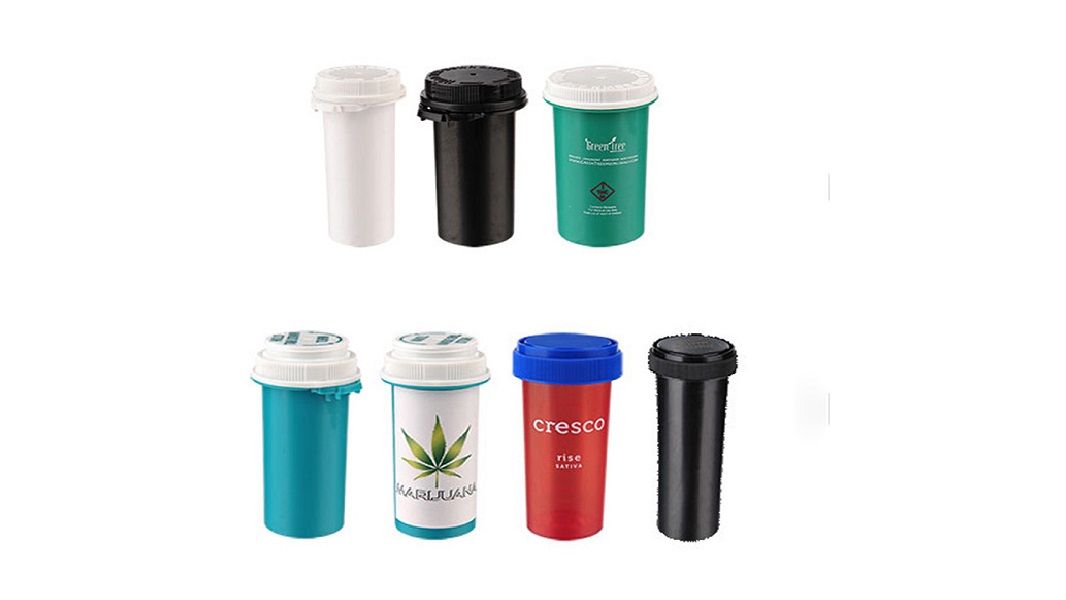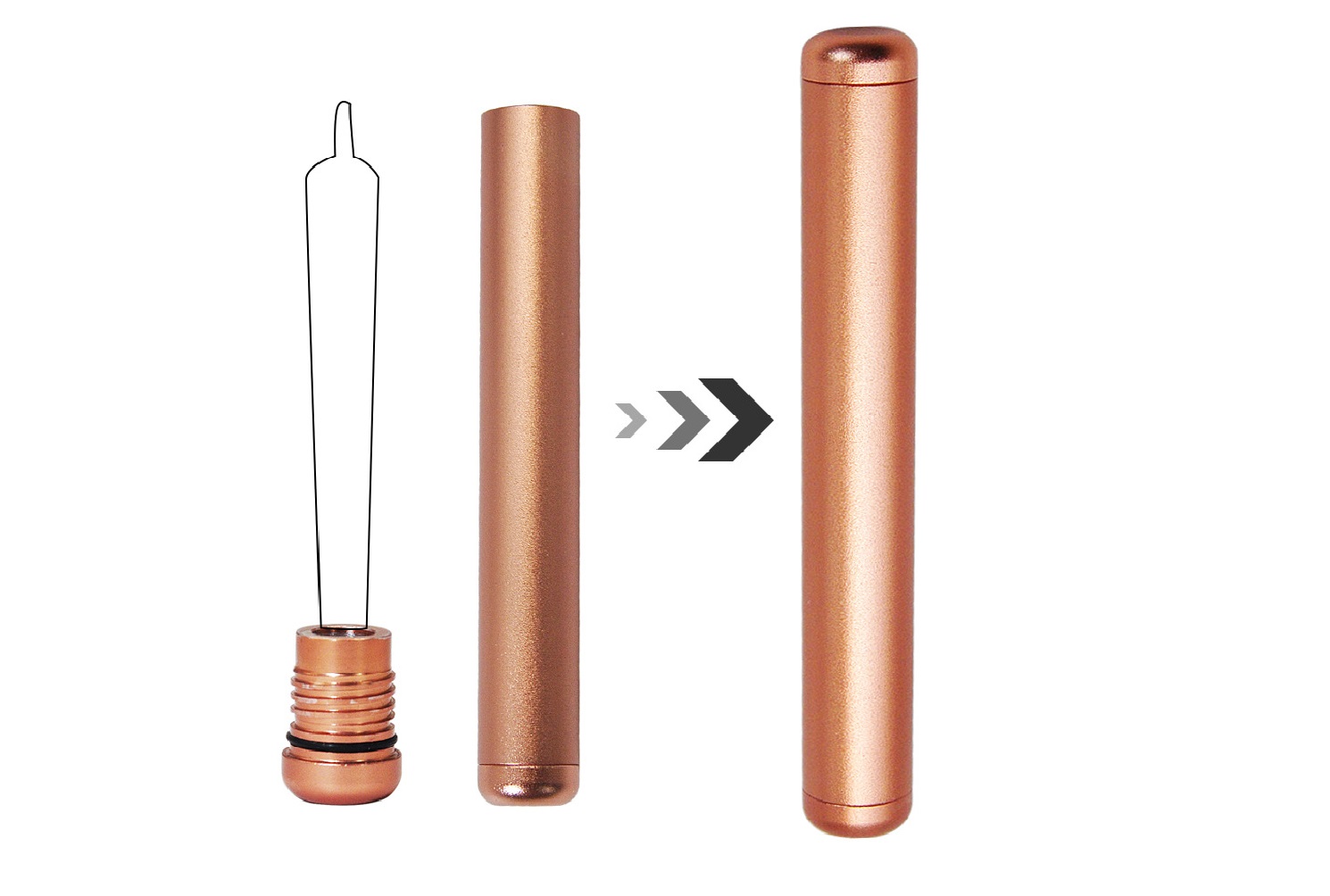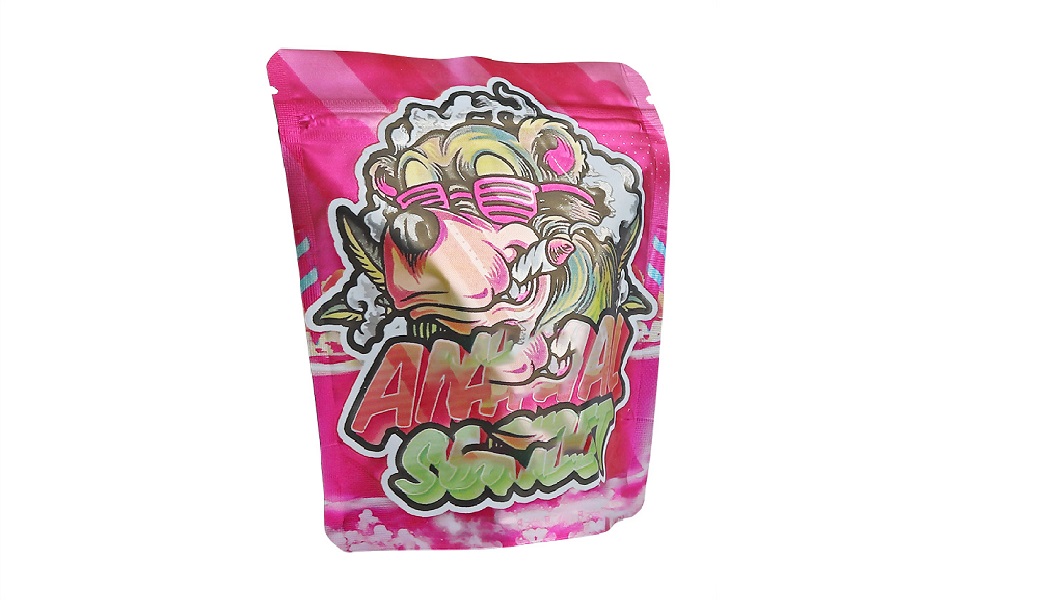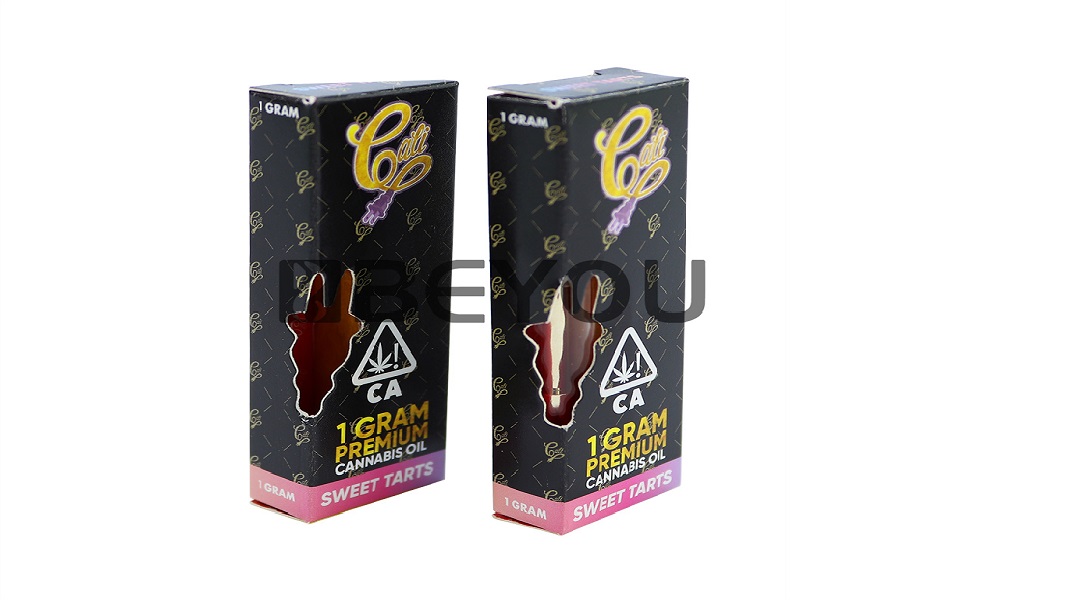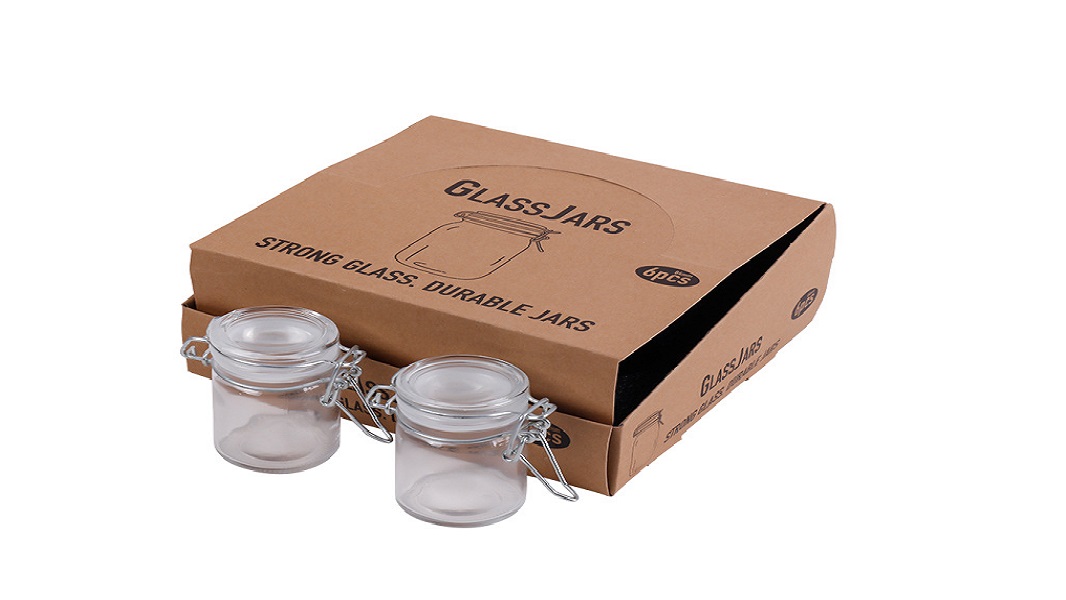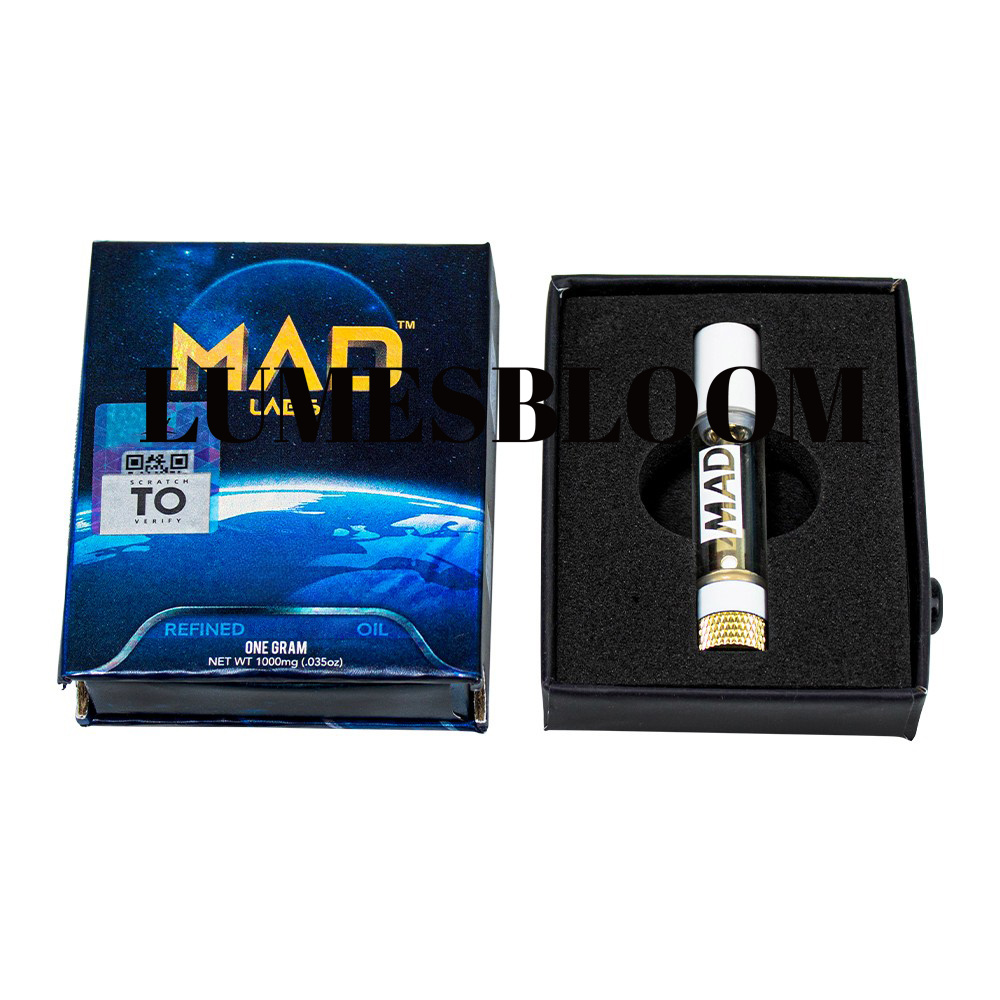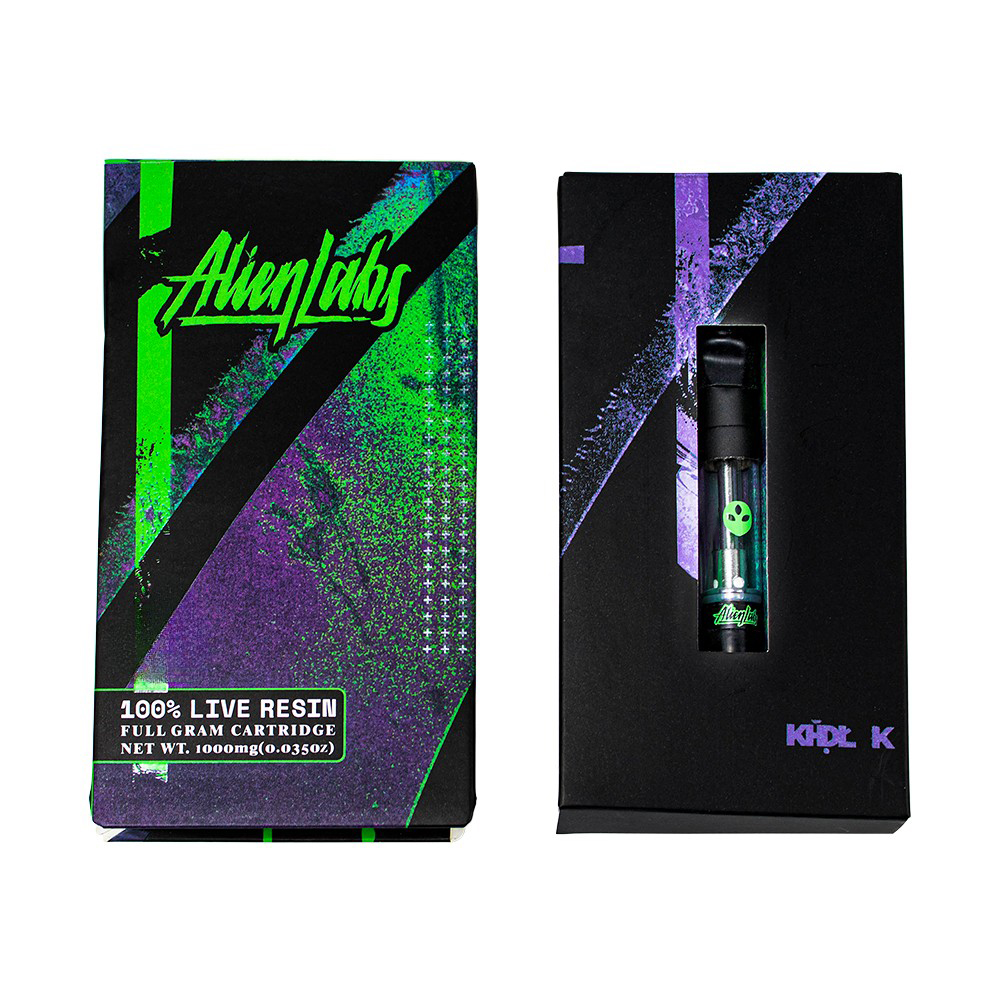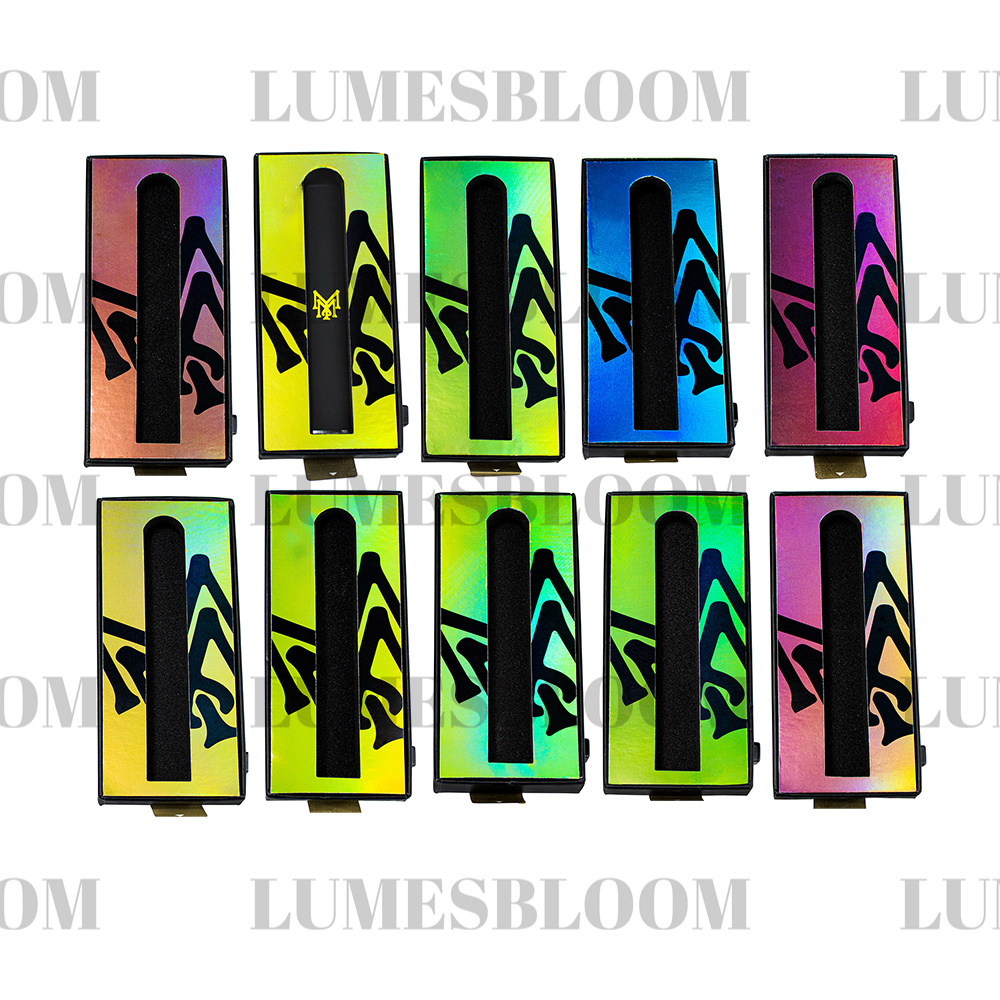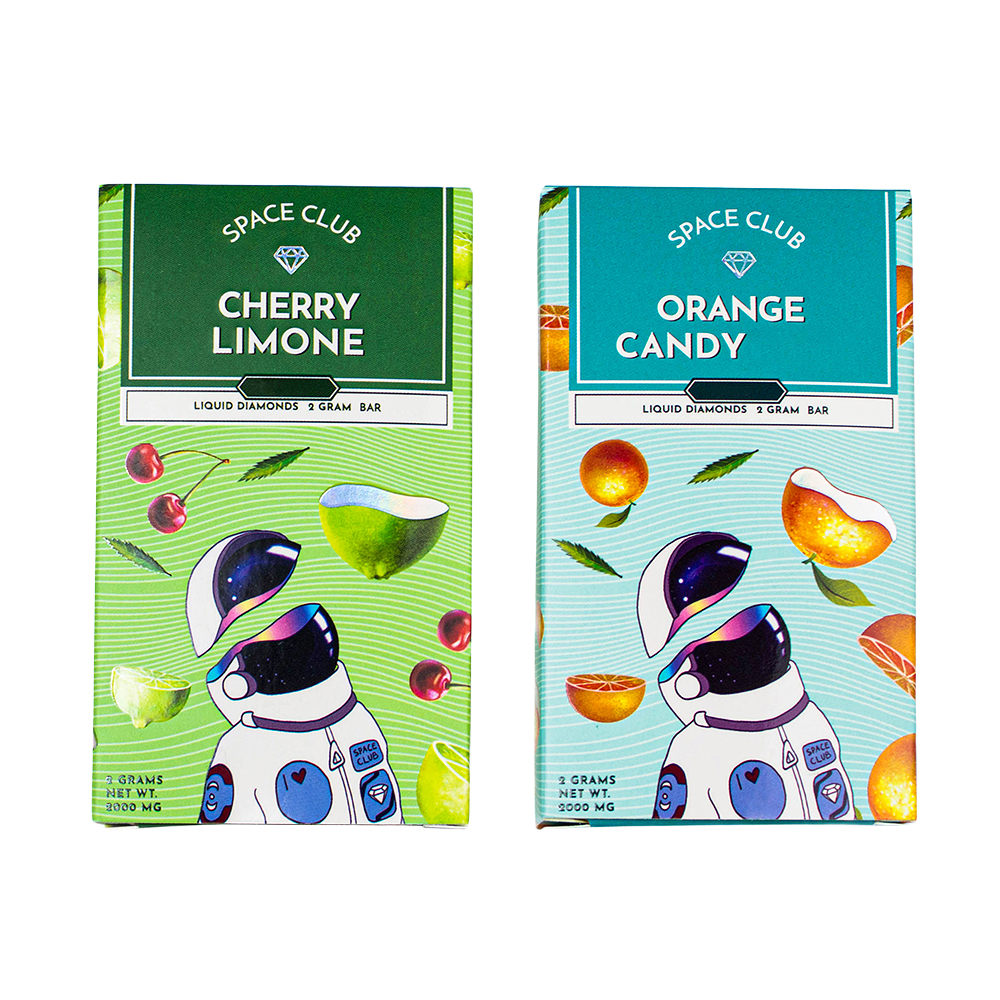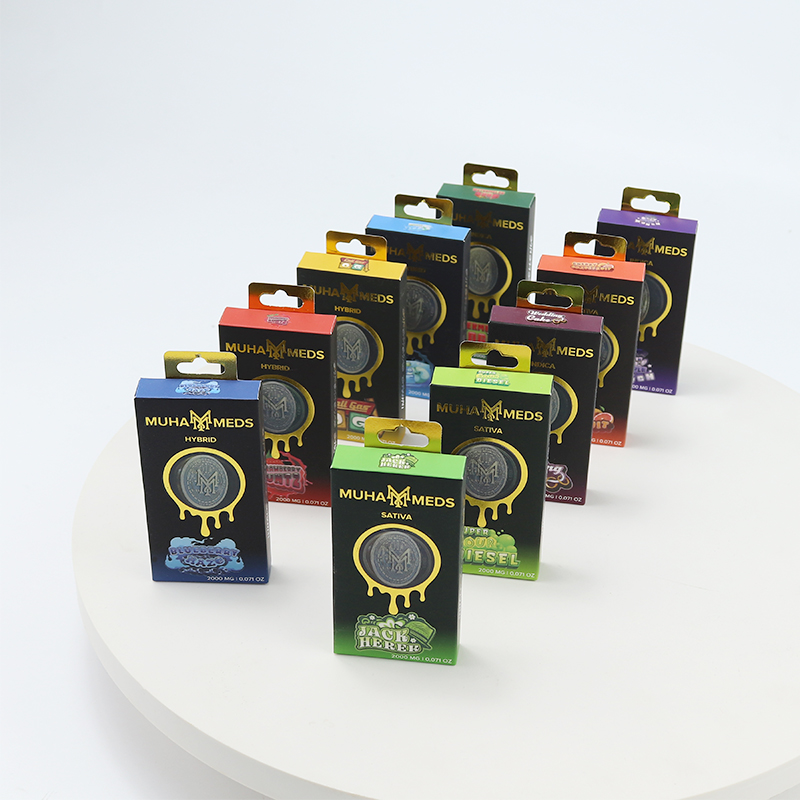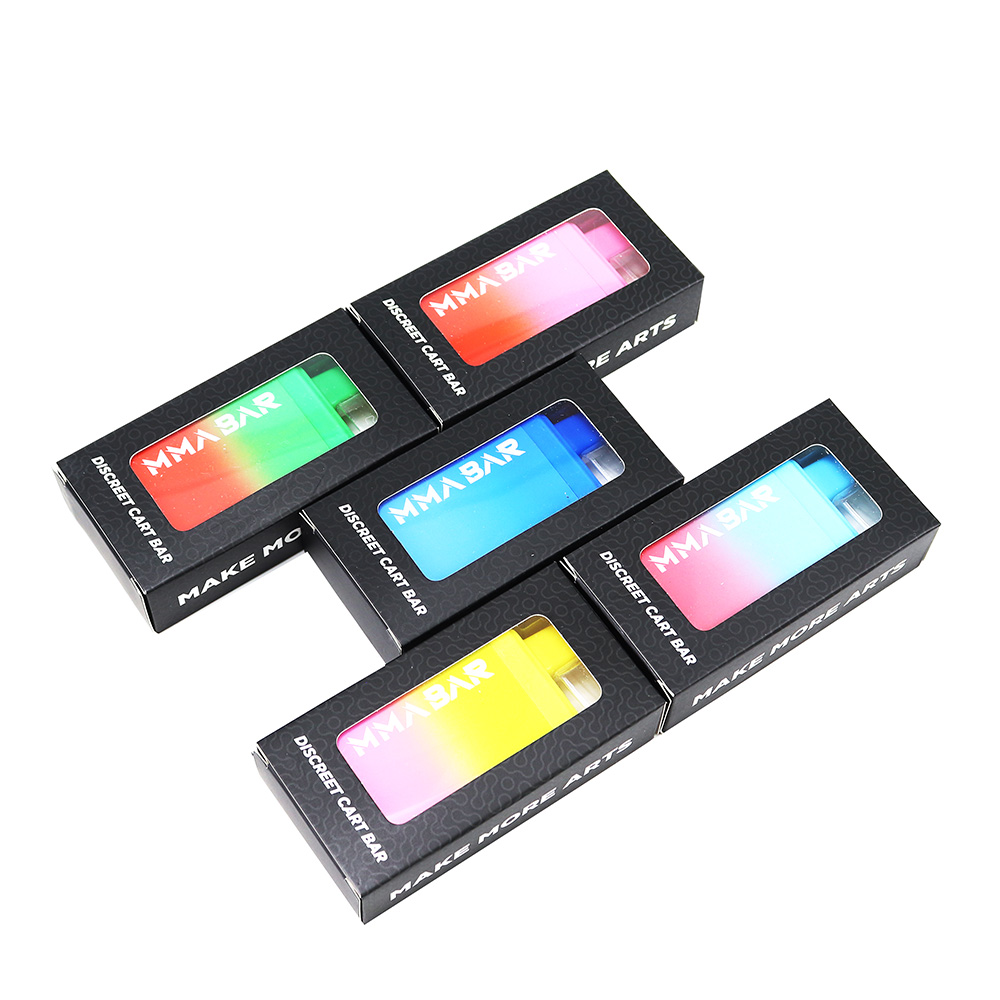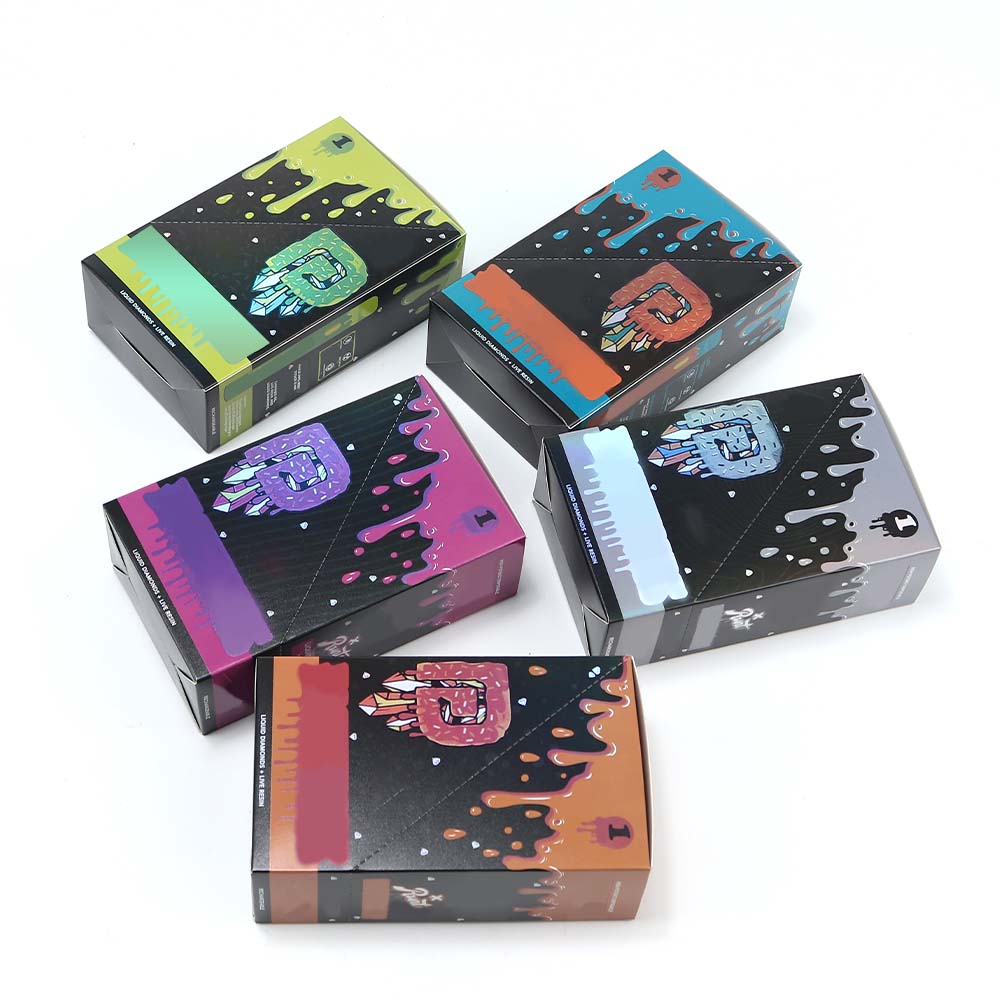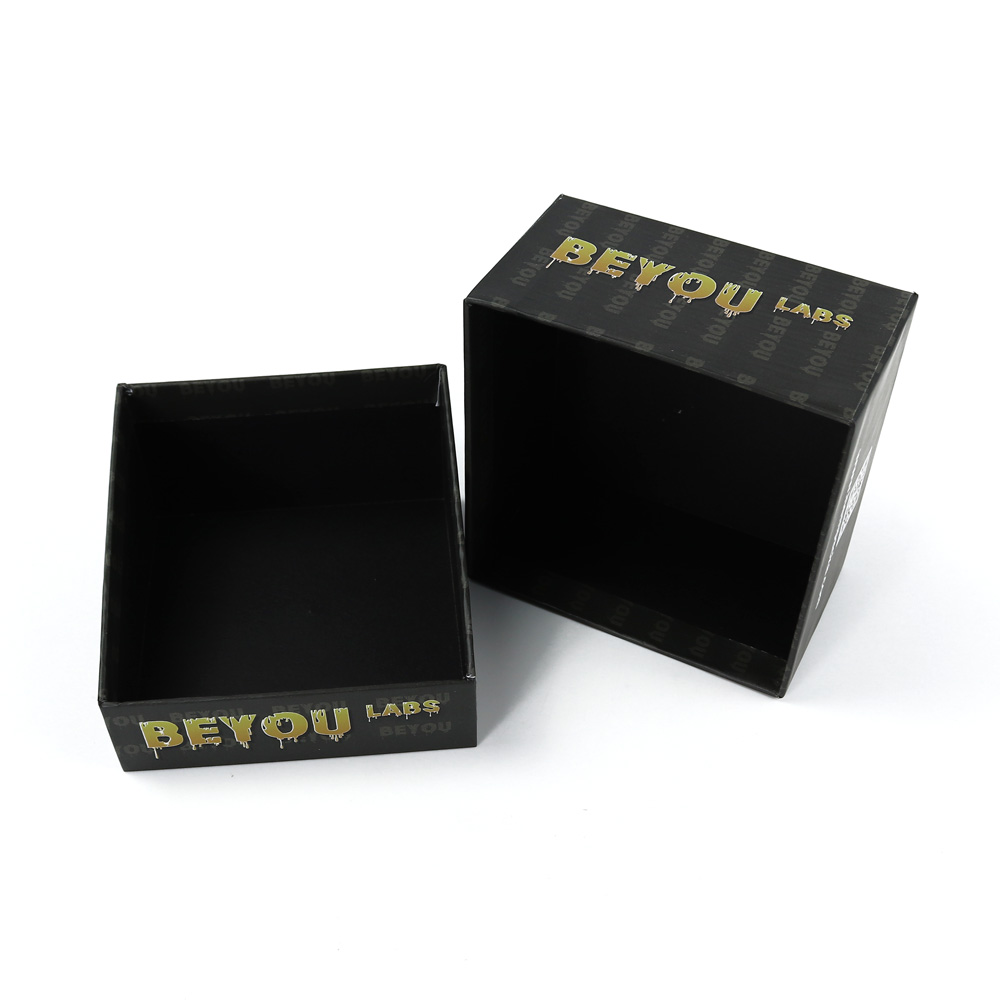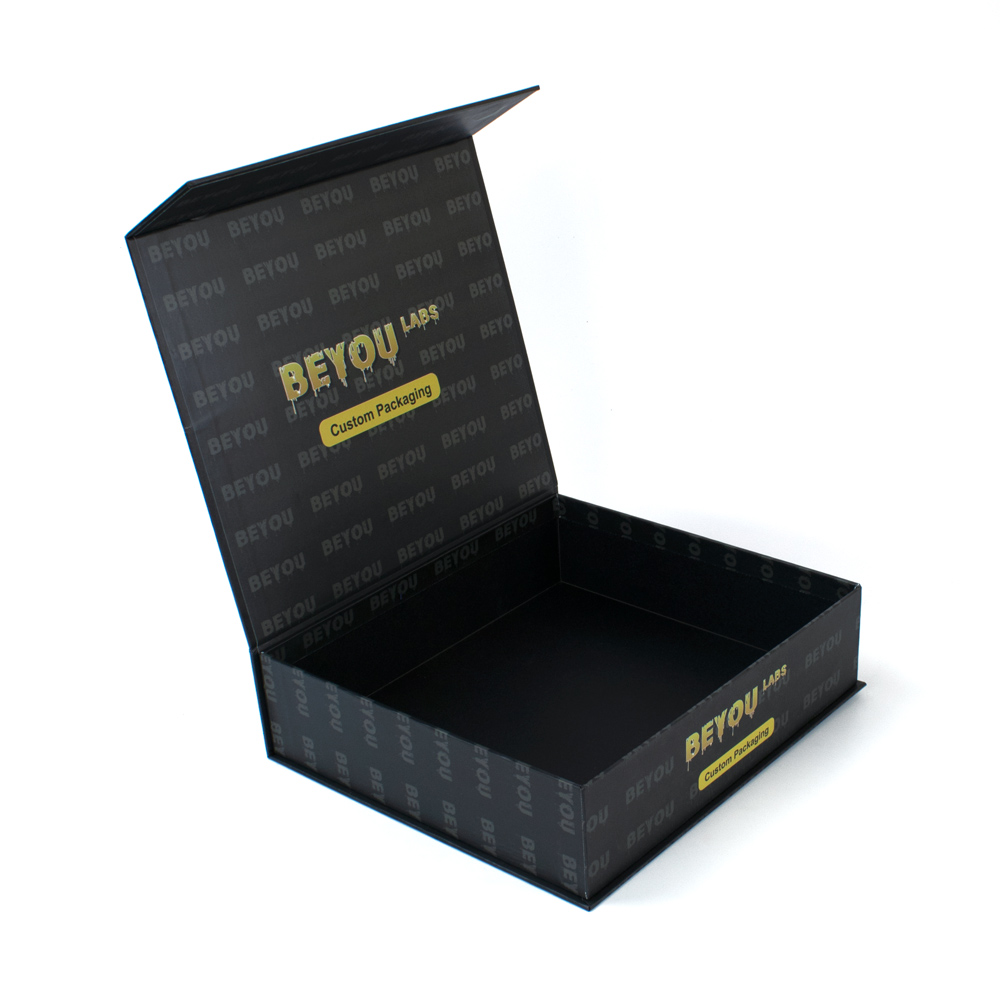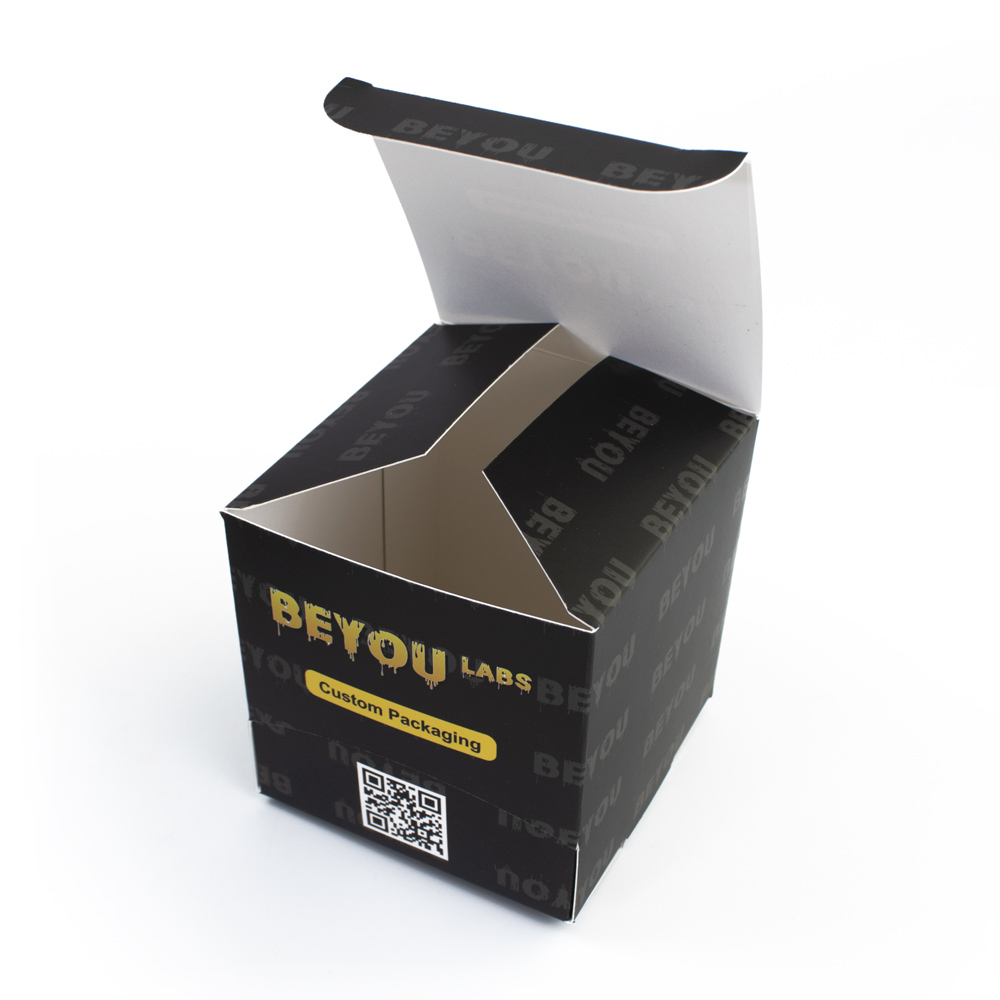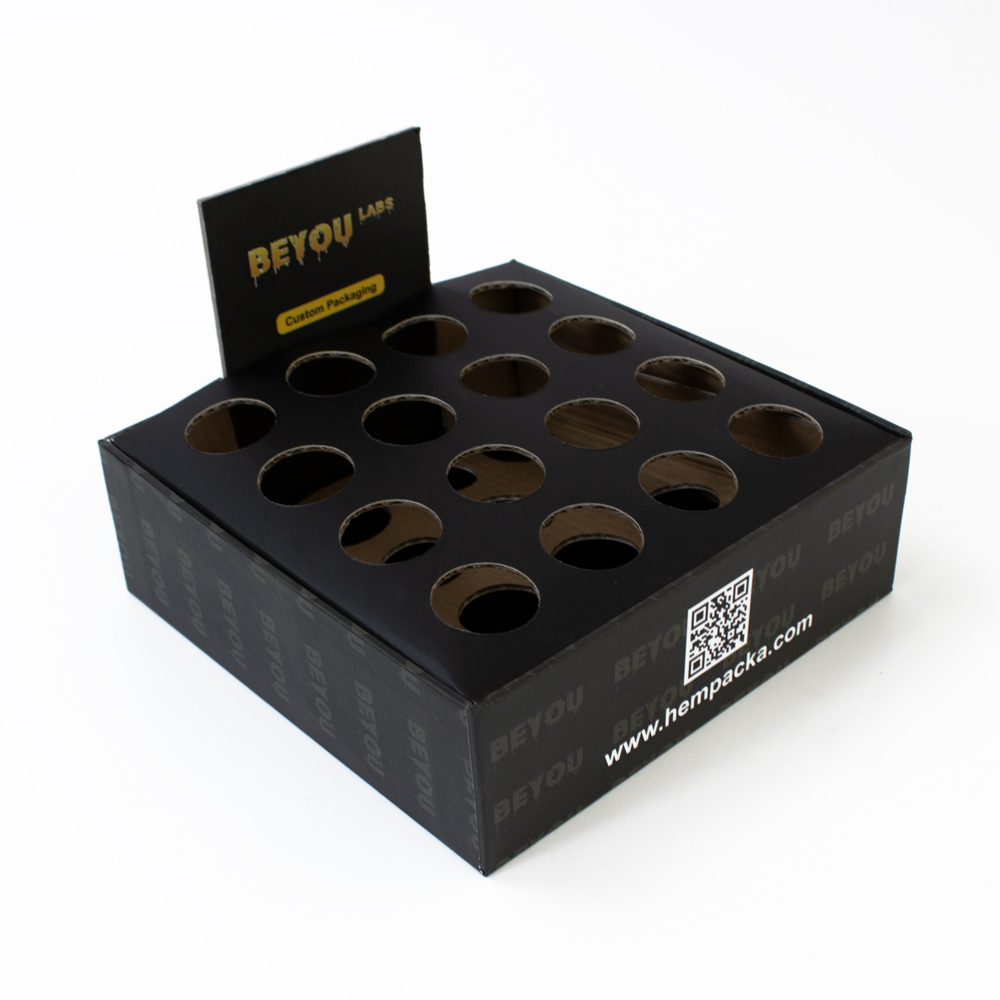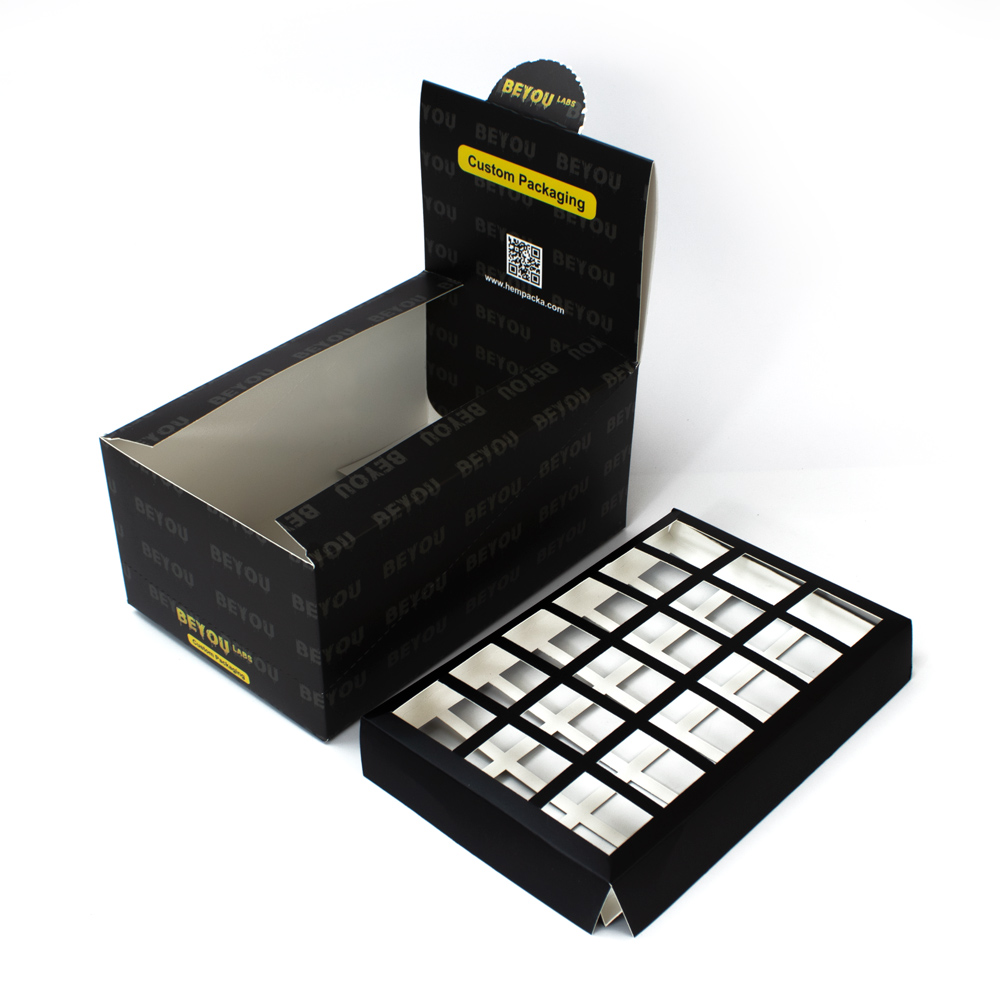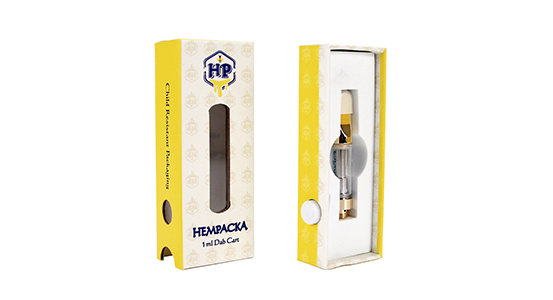
HEMPACKA Custom Logo Child Resistant Vape Cart Packaging Box
CALL : +86 18665993463 | PRICE BEAT GUARANTEE

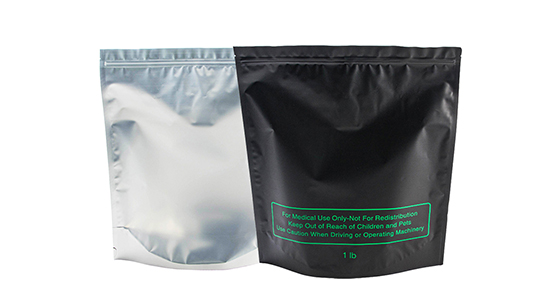
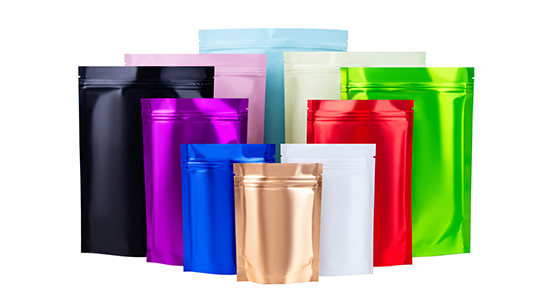
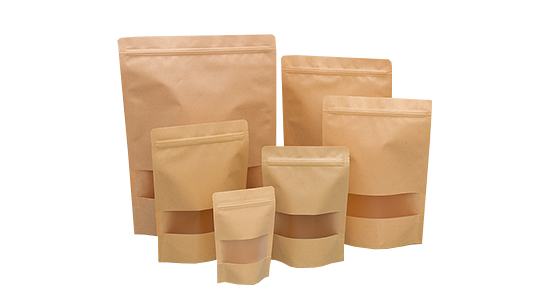
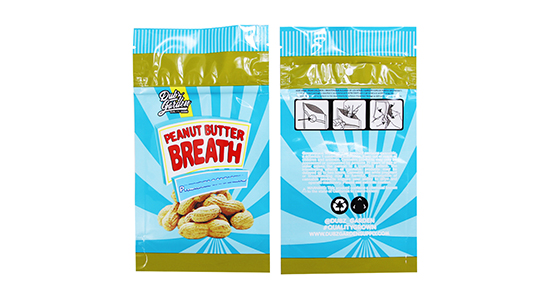
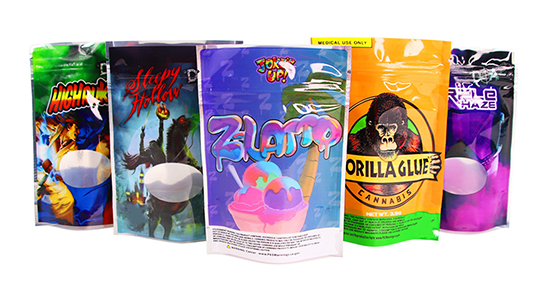
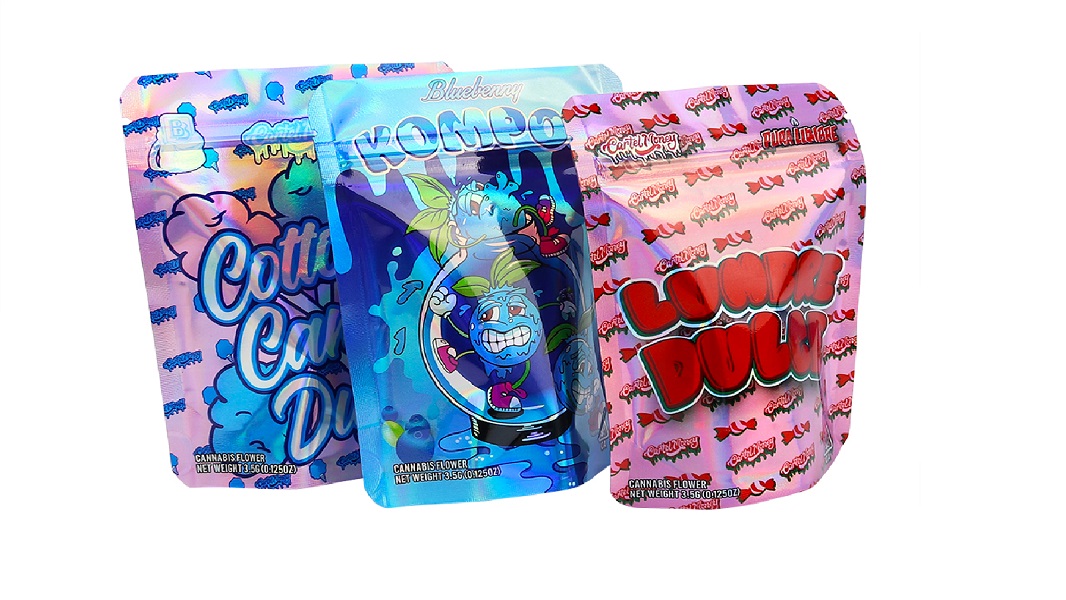
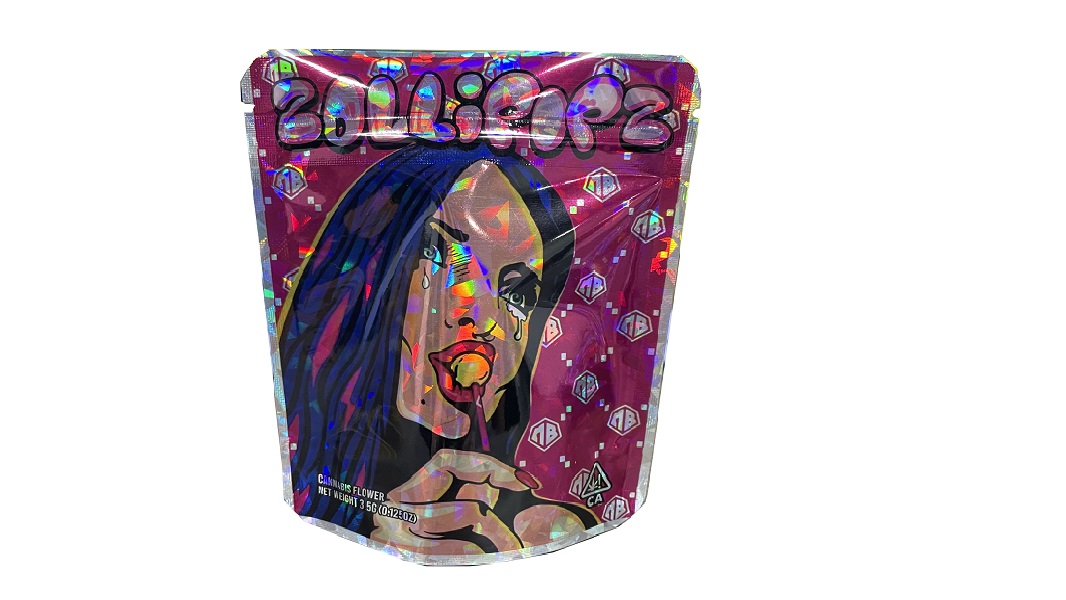
Plastic bag packaging is one of the most common solutions for protecting smoking accessories during storage, shipping, and retail display. When used correctly, it provides effective protection against dust, moisture, scratches, and deformation. When used incorrectly, however, it can lead to surface damage, corrosion, and reduced product lifespan.
For manufacturers, distributors, and brands, standardized plastic bag packaging is also a key factor in product quality control and brand professionalism.

Improper packaging often leads to avoidable issues, including:
Scratches caused by sharp edges rubbing against thin plastic
Moisture trapped inside sealed bags
Bag punctures during transport
Deformation due to excessive folding or compression
Poor customer perception of product quality
Understanding these risks is the first step toward preventing them.
Metal connectors, glass edges, and threaded components can easily puncture plastic bags.
Recommended actions:
Wrap fragile or sharp sections with soft paper, foam, or protective sleeves
Use thicker plastic bags for heavier or irregular-shaped accessories
Avoid direct contact between exposed edges and bag seams
Using a bag that is too small increases stress on both the product and the packaging.
Best practice:
Choose a bag that allows the accessory to sit flat without force
Avoid over-folding or compressing the bag around the product
Moisture and residue inside sealed plastic bags can cause long-term damage.
Before packaging:
Ensure the accessory is completely dry
Remove oil residue, fingerprints, or cleaning fluids
Never seal warm or recently cleaned products
A poorly sealed bag loses its protective function.
Options include:
Fully closed zip-lock or resealable bags
Heat sealing for standard PE or PP bags
Secure sealing tape when heat sealing is not available
Recommended range: 10°C–30°C (50°F–86°F)
Excess heat may soften plastic bags
Extreme cold can make plastic brittle
Optimal relative humidity: 40%–60%
High humidity increases risk of metal oxidation and glass fogging
Use desiccant packs when storing long-term
Avoid direct sunlight
UV exposure accelerates plastic aging and discoloration
Category | Correct Packaging | Incorrect Packaging |
Surface protection | No scratches or scuffs | Visible scratches |
Sealing performance | Dust-proof and moisture-resistant | Dust and moisture intrusion |
Product shape | Maintains original form | Deformation risk |
Product lifespan | Extended | Shortened |
Customer experience | Clean and professional | Low-quality impression |
Brand image | Reliable and consistent | Damages brand trust |
For brands and factories, implementing a standard workflow improves consistency:
Clean and dry the smoking accessory
Apply soft protection to fragile sections
Place into a correctly sized plastic bag
Remove excess air and seal
Store in a controlled environment
This process reduces returns, complaints, and damage-related losses.
Smoking accessory manufacturers
Packaging suppliers and OEM factories
Distributors and wholesalers
E-commerce sellers
Brand owners focused on quality control
Plastic bag packaging may seem simple, but correct usage significantly impacts product longevity, customer satisfaction, and brand credibility. By following standardized packing methods and proper storage conditions, businesses can protect their products more effectively and present a more professional image in competitive markets.
We can assist with:
Custom plastic bag sizing and material selection
Step-by-step packaging SOPs for factories
Visual instruction sheets for packaging lines
SEO content and product pages for packaging solutions
Contact us to optimize your smoking accessories packaging system.