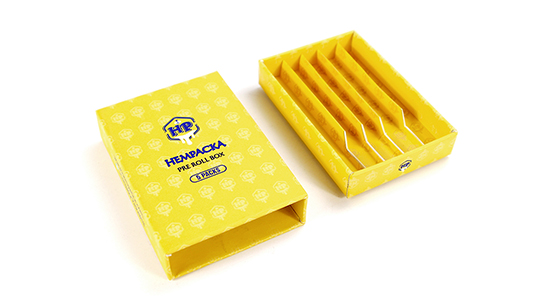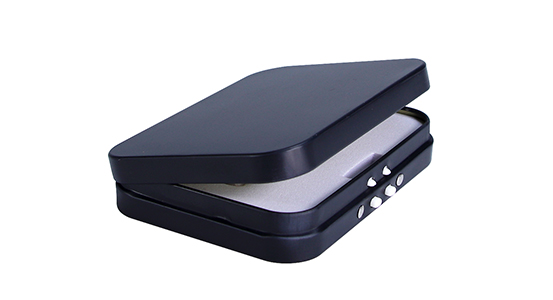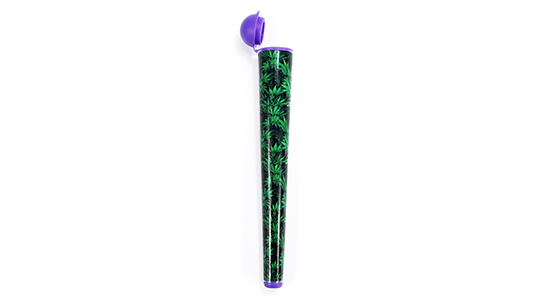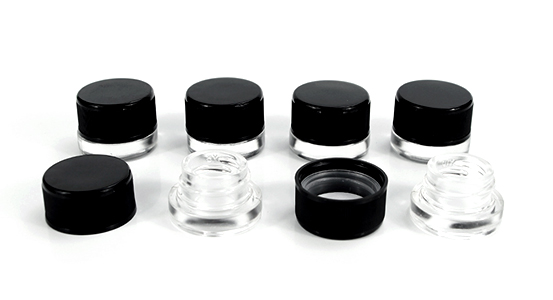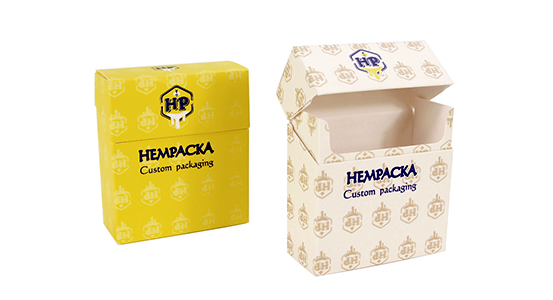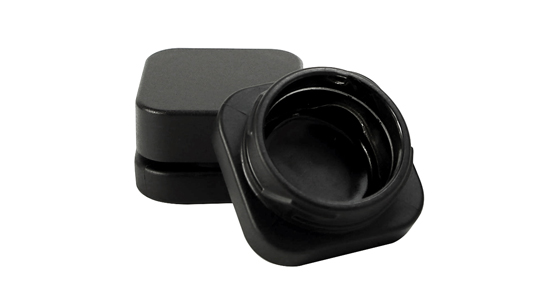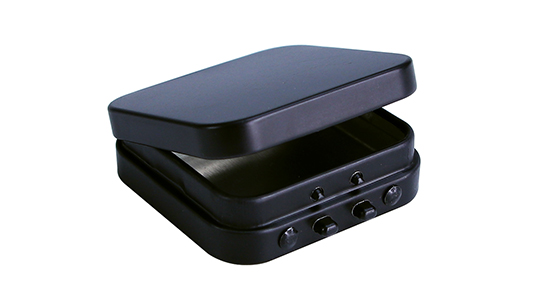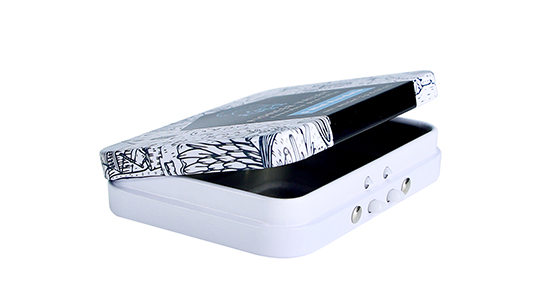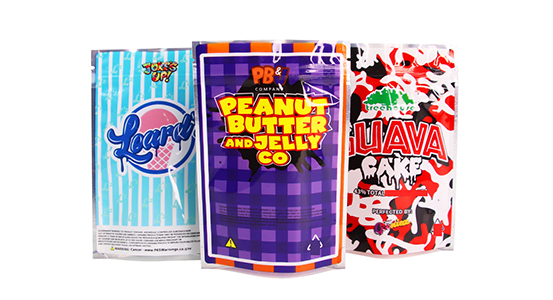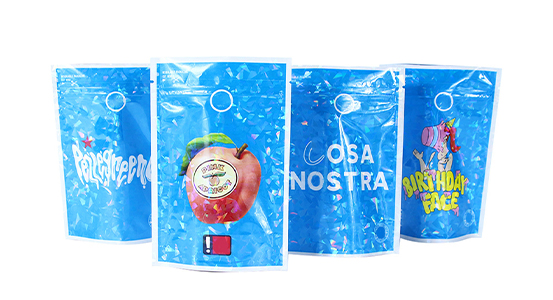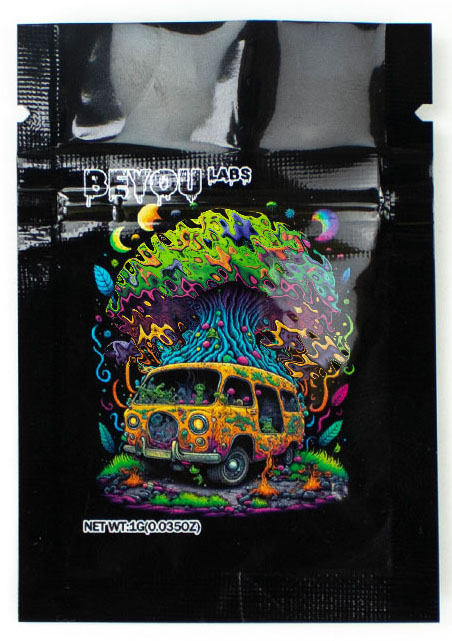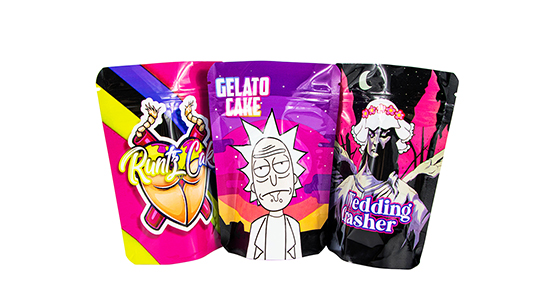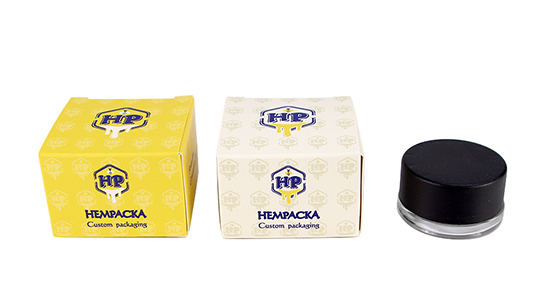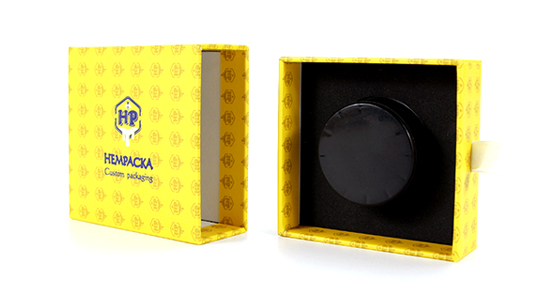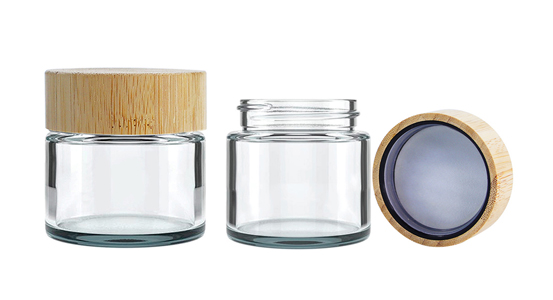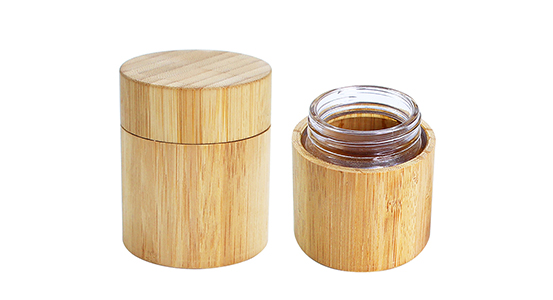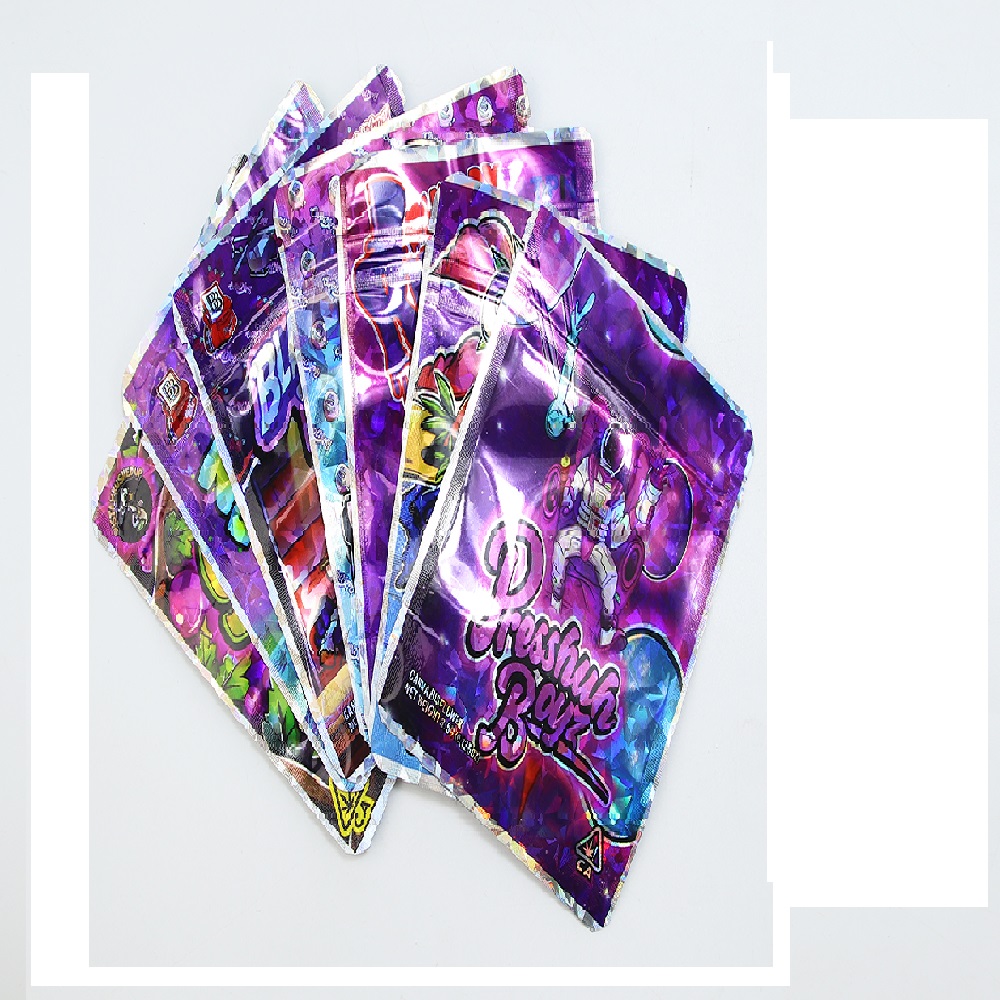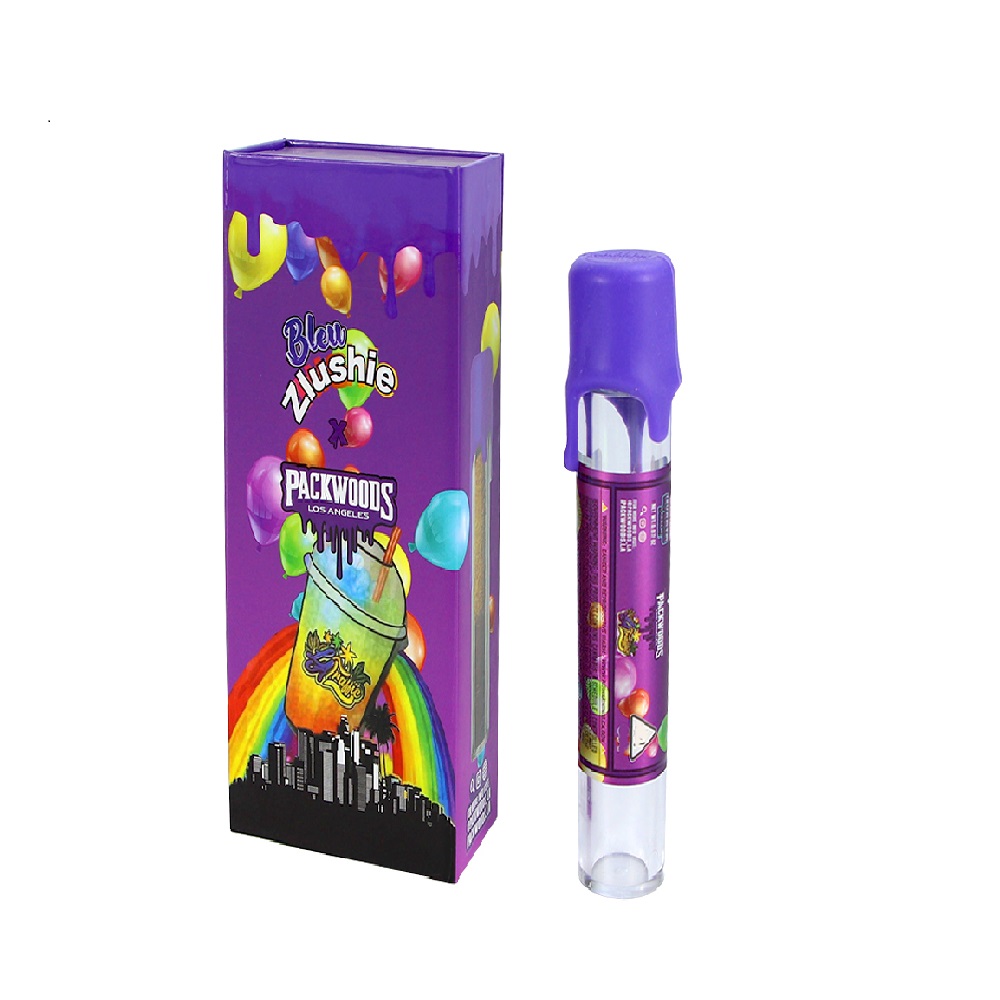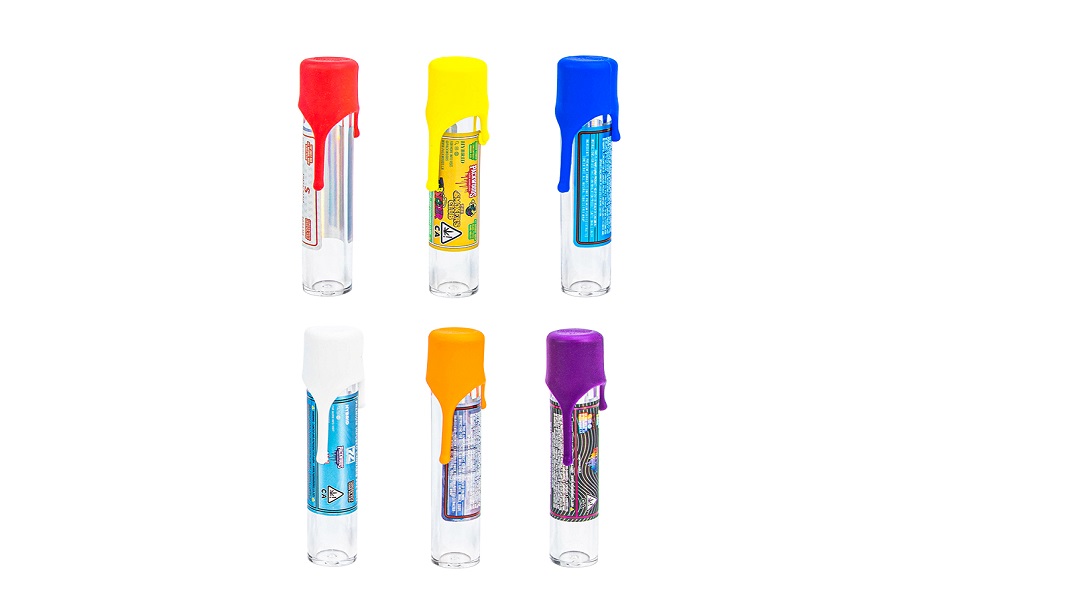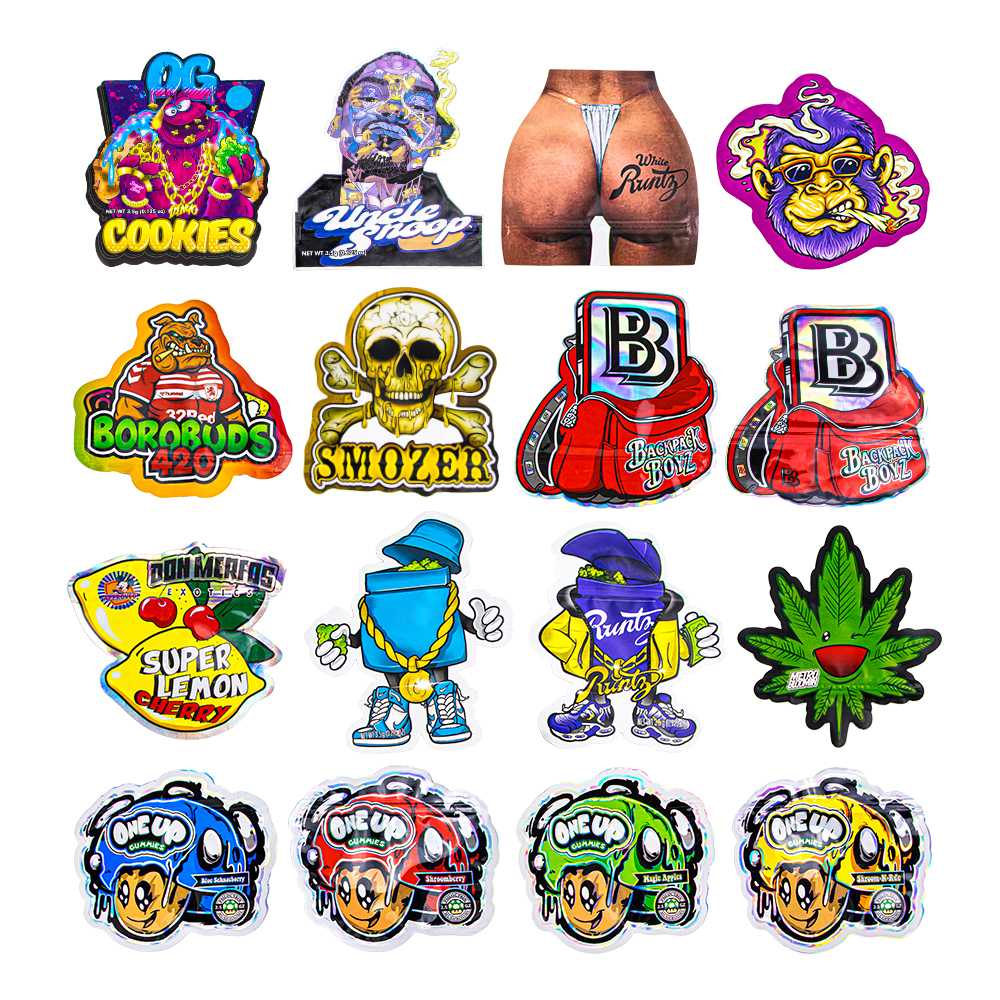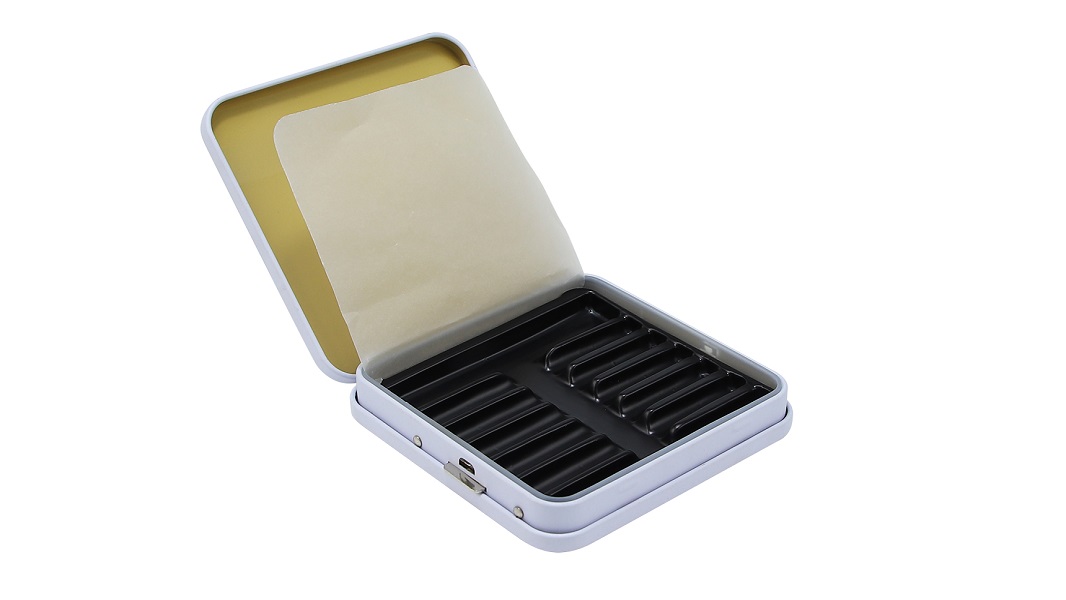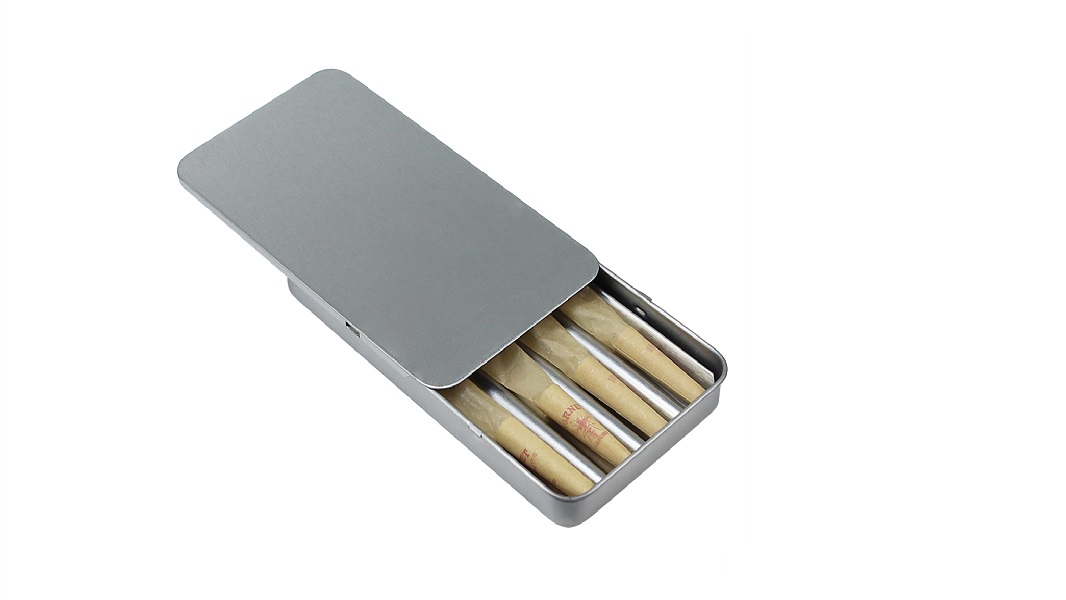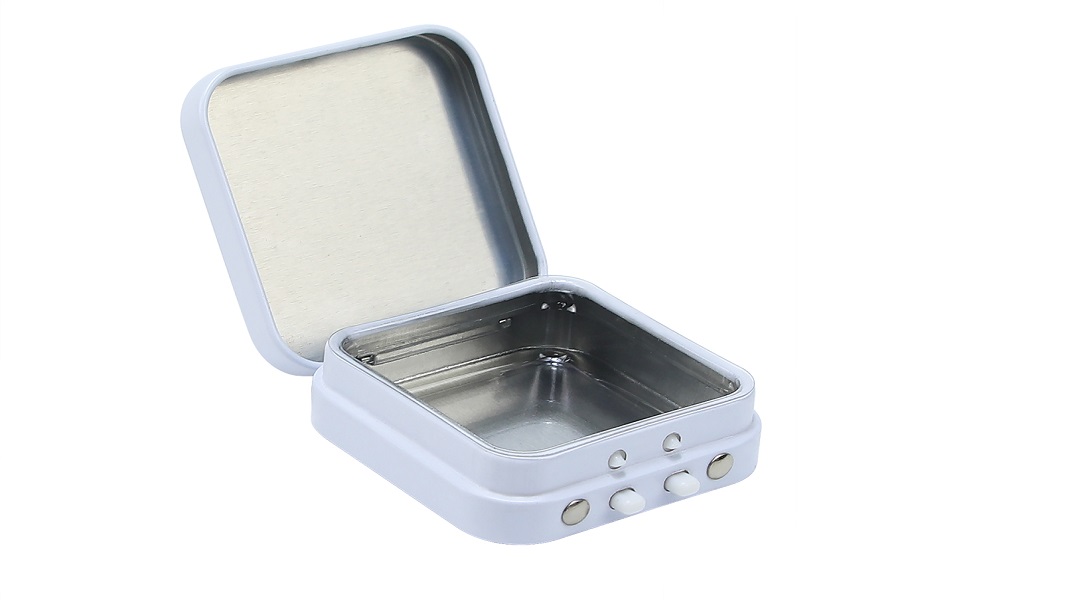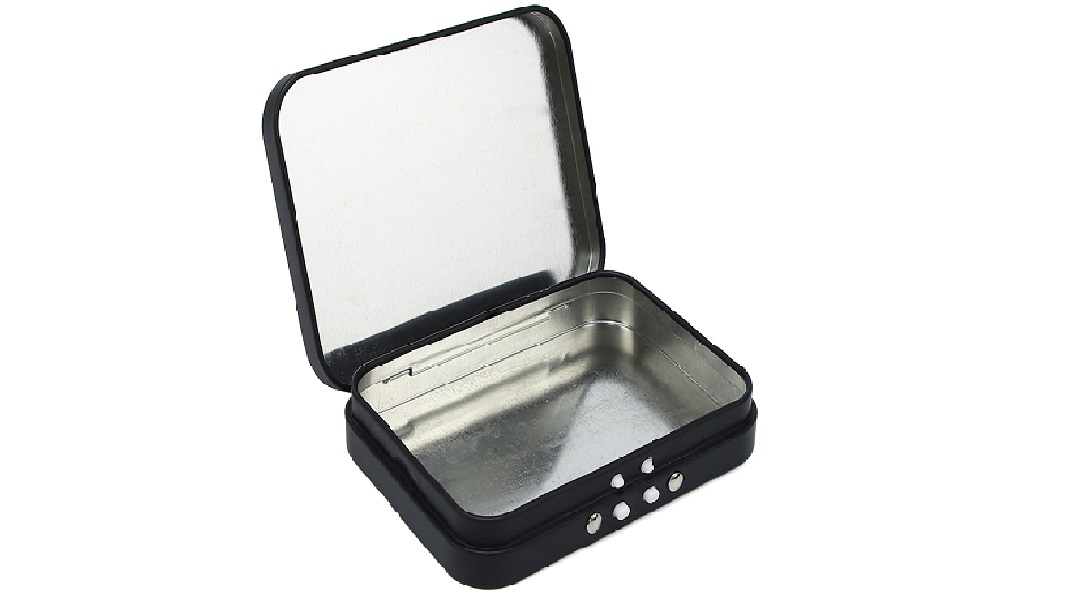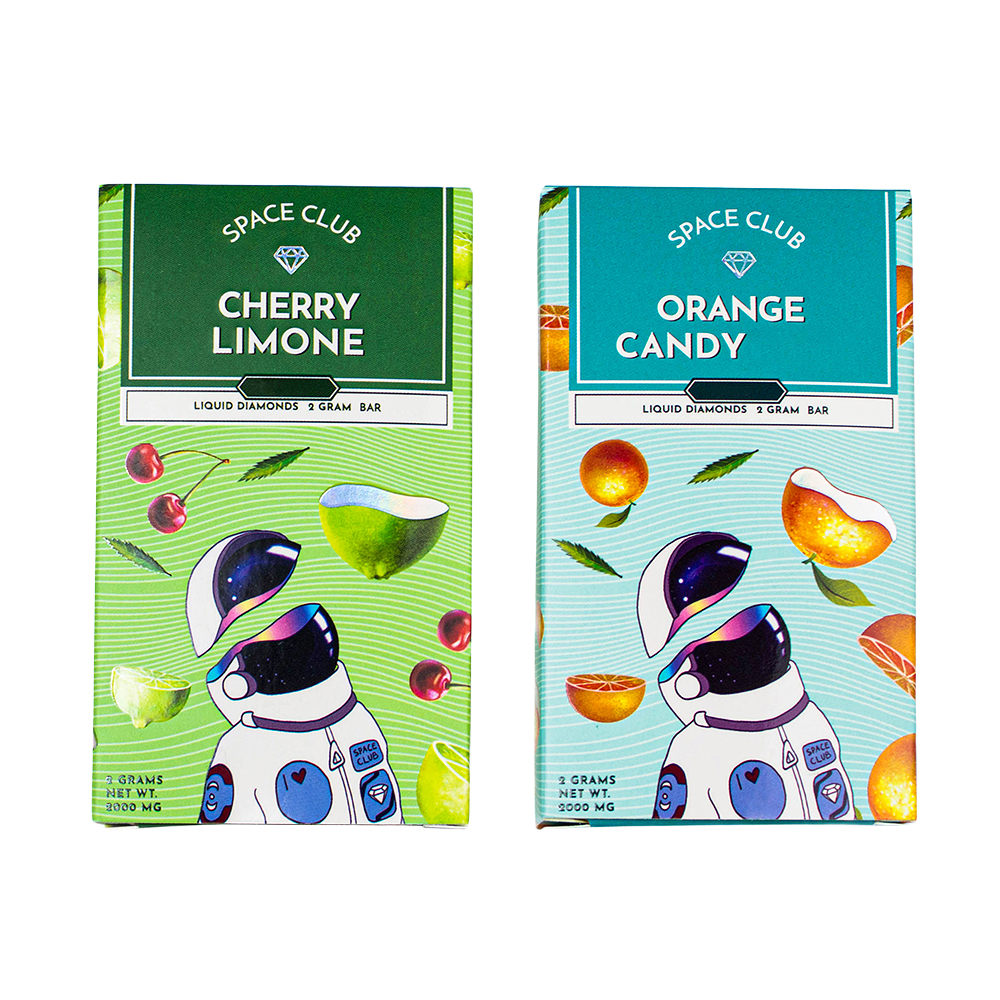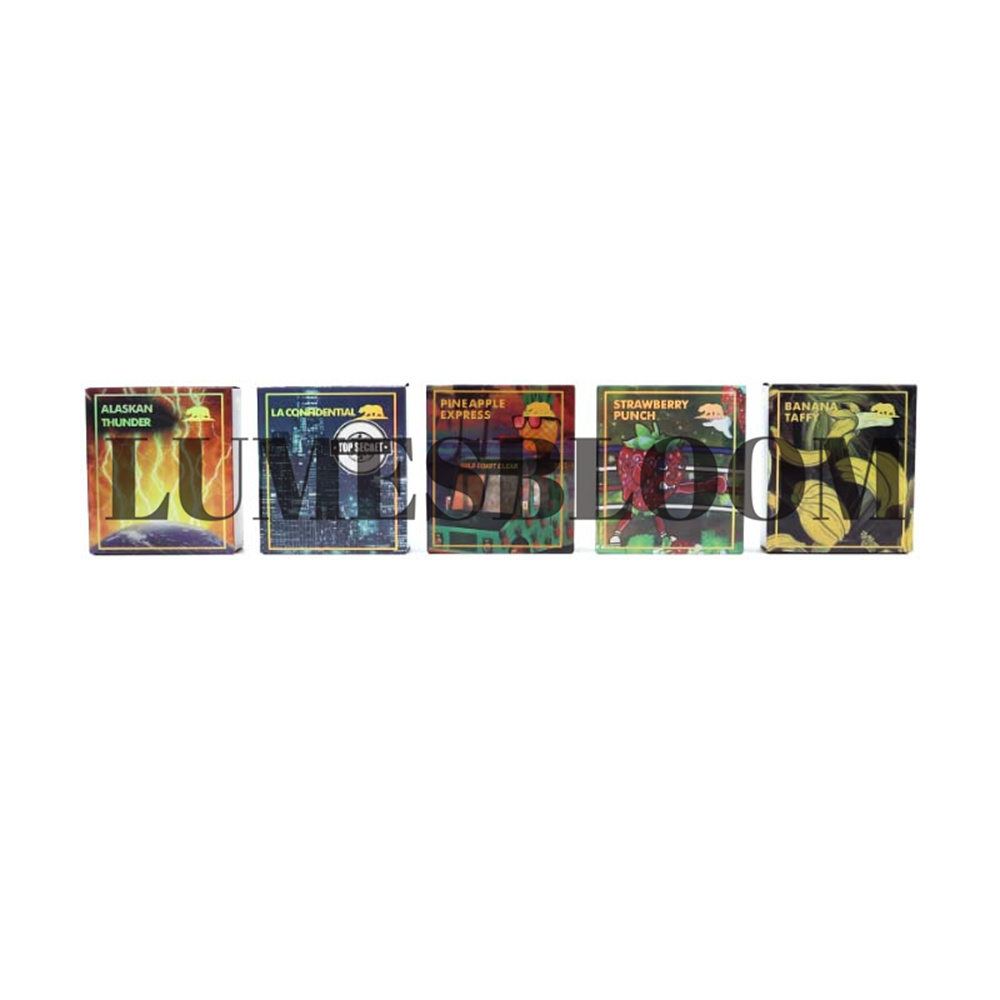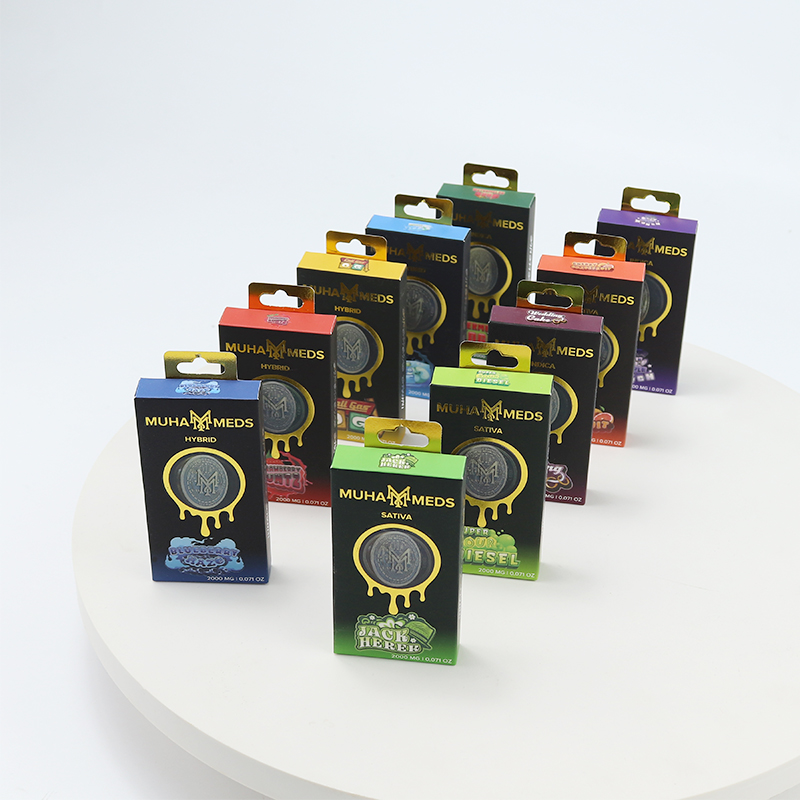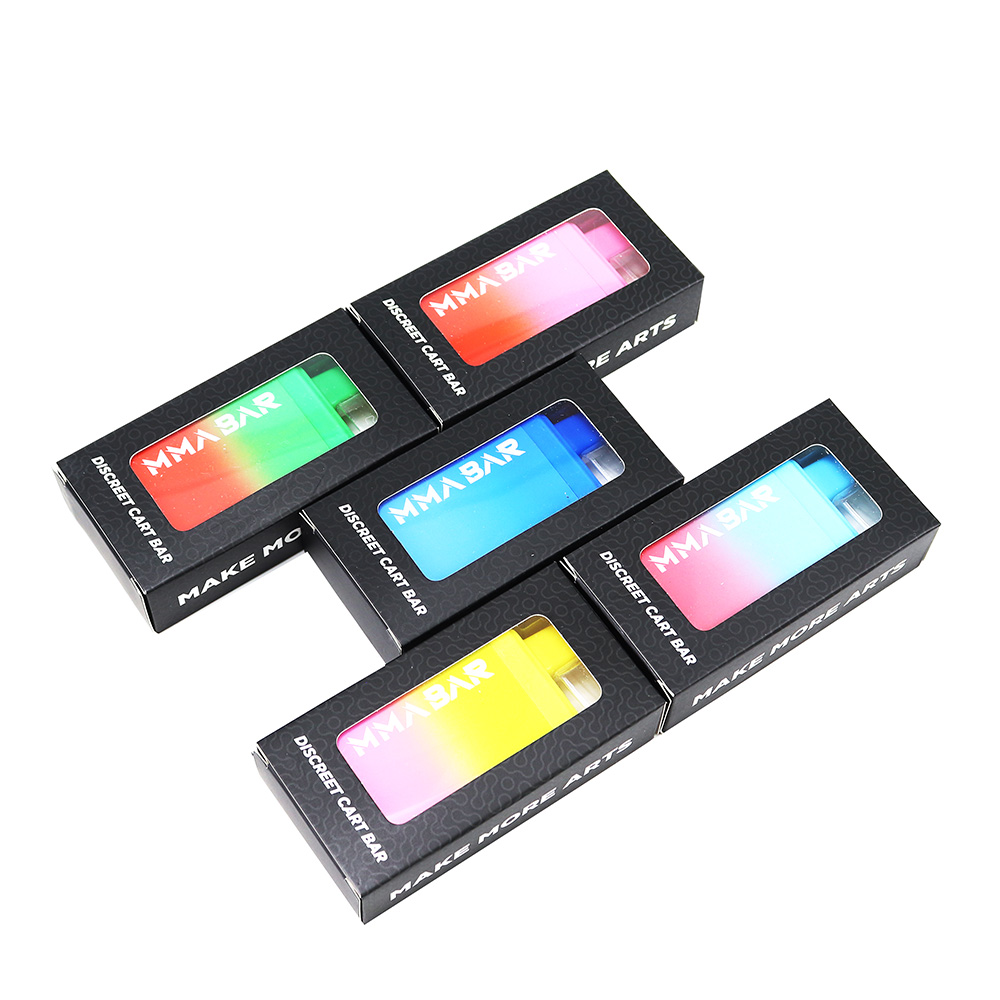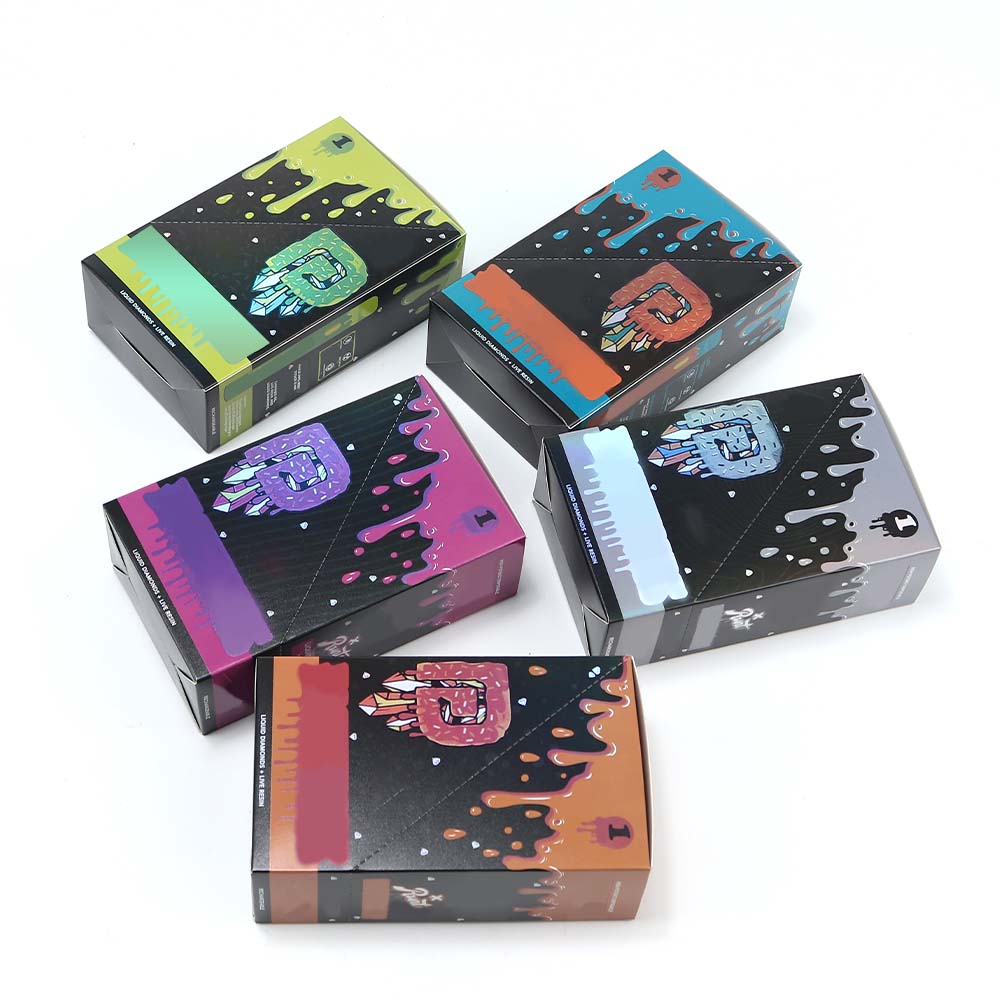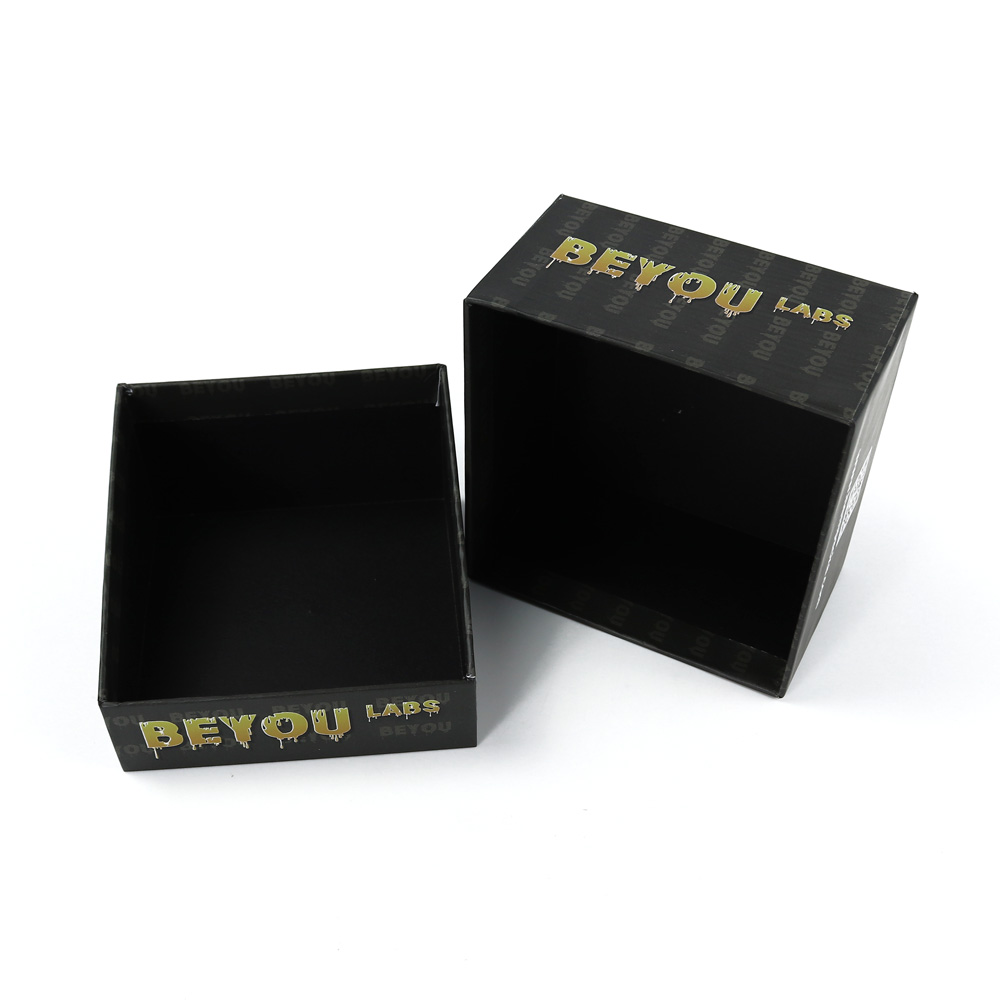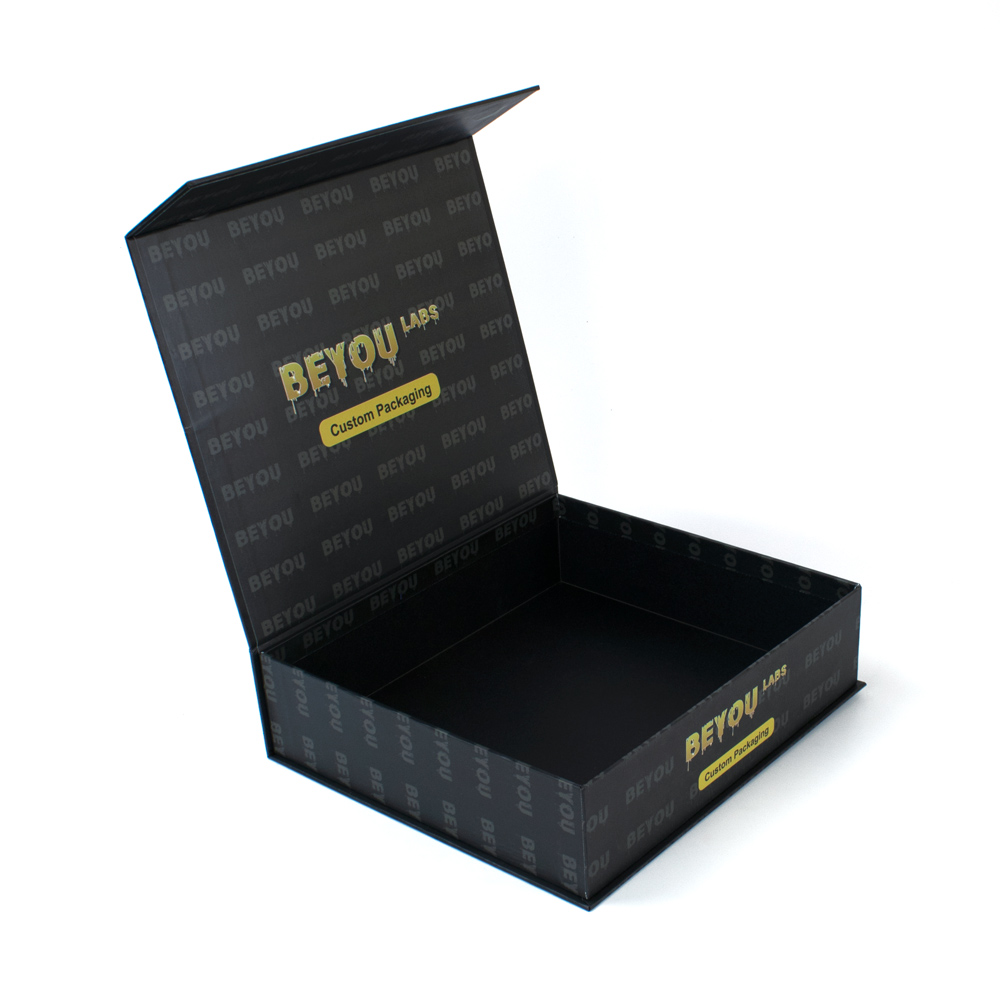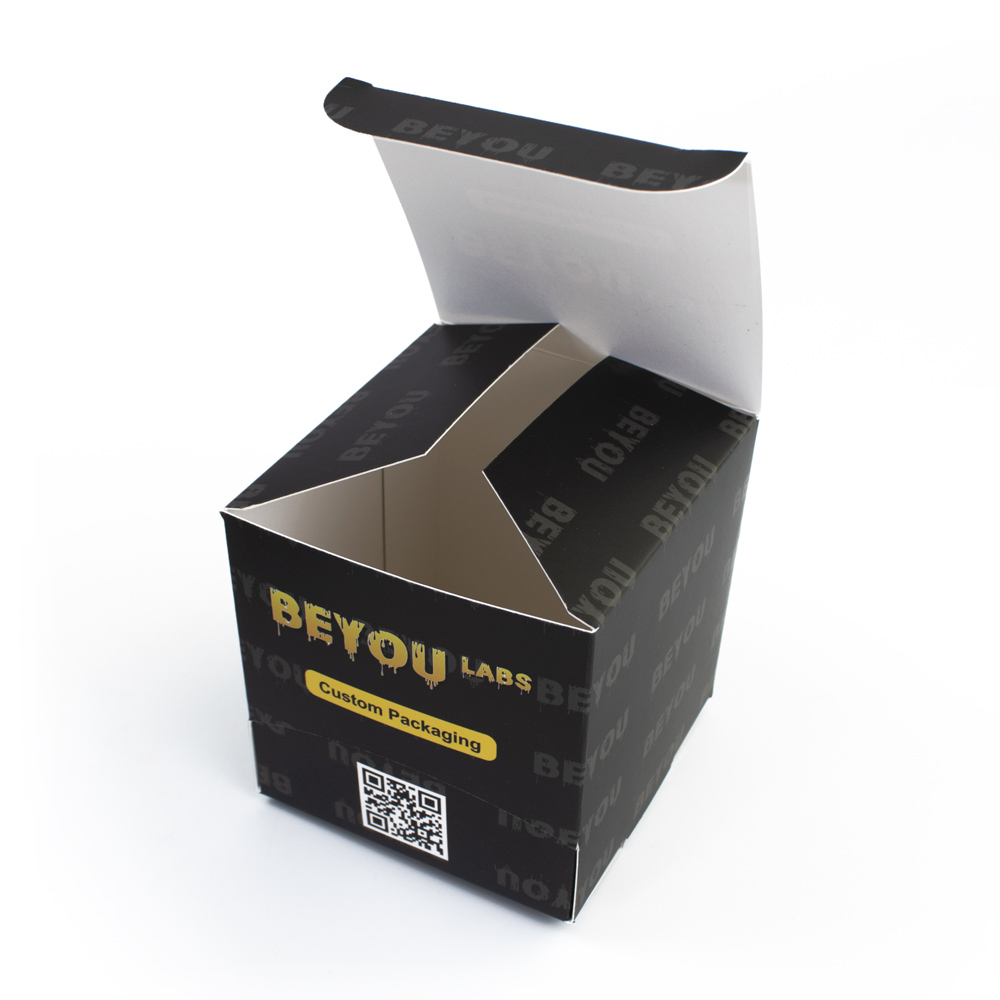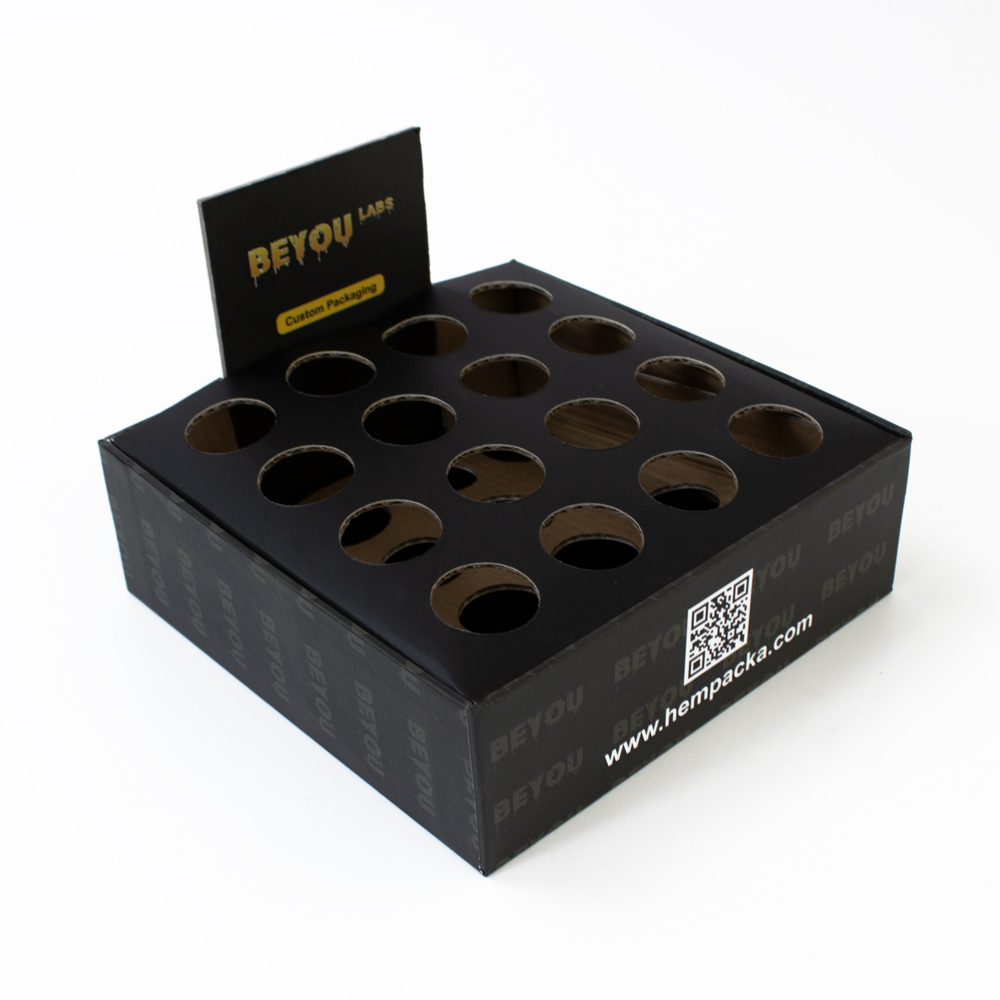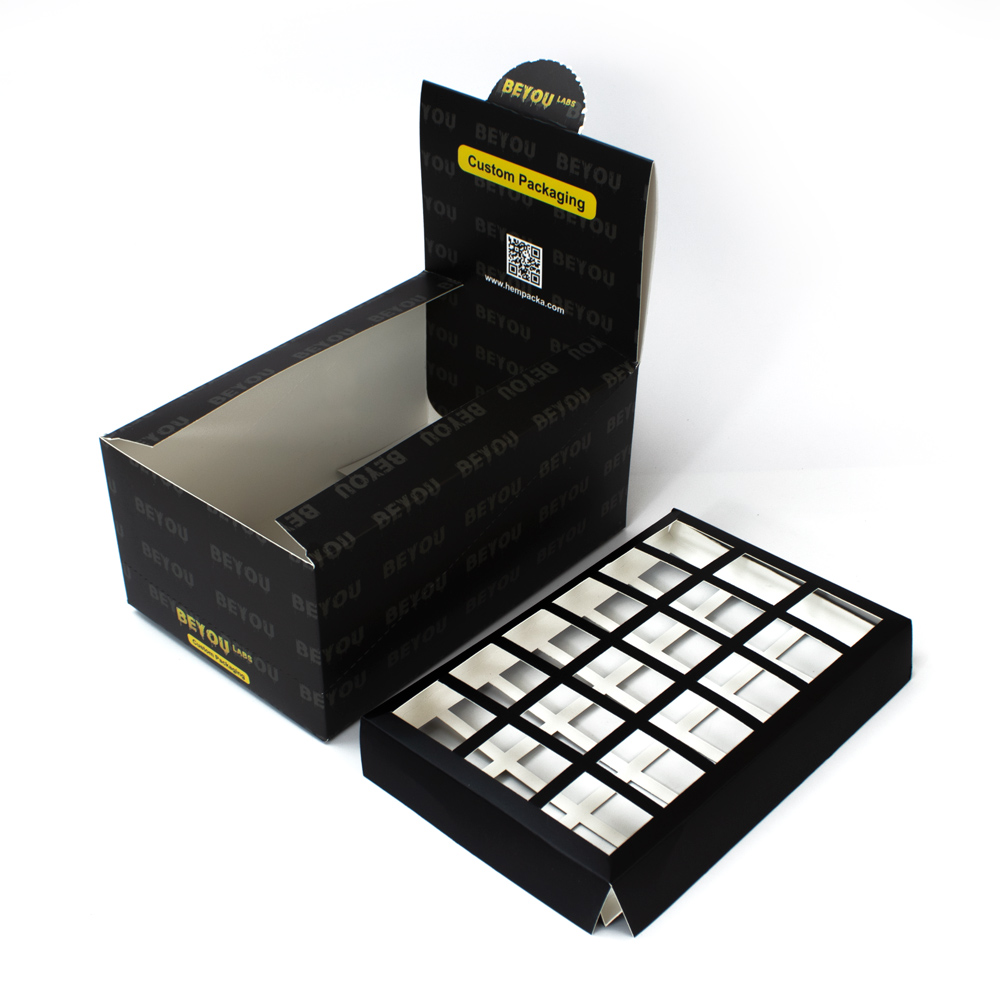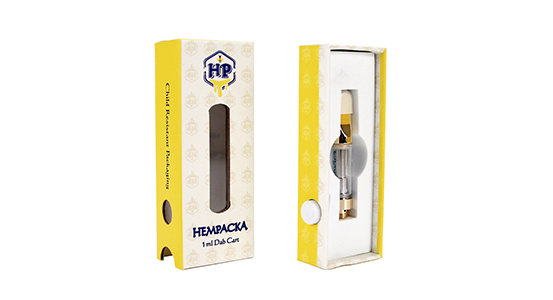
HEMPACKA Custom Logo Child Resistant Vape Cart Packaging Box
CALL : +86 18665993463 | PRICE BEAT GUARANTEE

For small,niche smoking-accessory brands,packaging is often the single most powerful lever to stand out.In crowded European and American shelves and e-commerce feeds,packaging is both the first impression and the brand’s primary storytelling medium.When done well,packaging does more than protect—it communicates craft,authenticity,and lifestyle,converts browsers into buyers,and creates shareable unboxing moments that spread by word of mouth and social media.
This guide explains how niche brands can use distinctive packaging strategies(vintage,art-driven,limited editions,interactive tech,eco-luxe)to break into Western markets,how to measure impact,and what practical trade-offs to expect.
Choose one or a tight combination of the following brand positions and make packaging the primary expression of it:
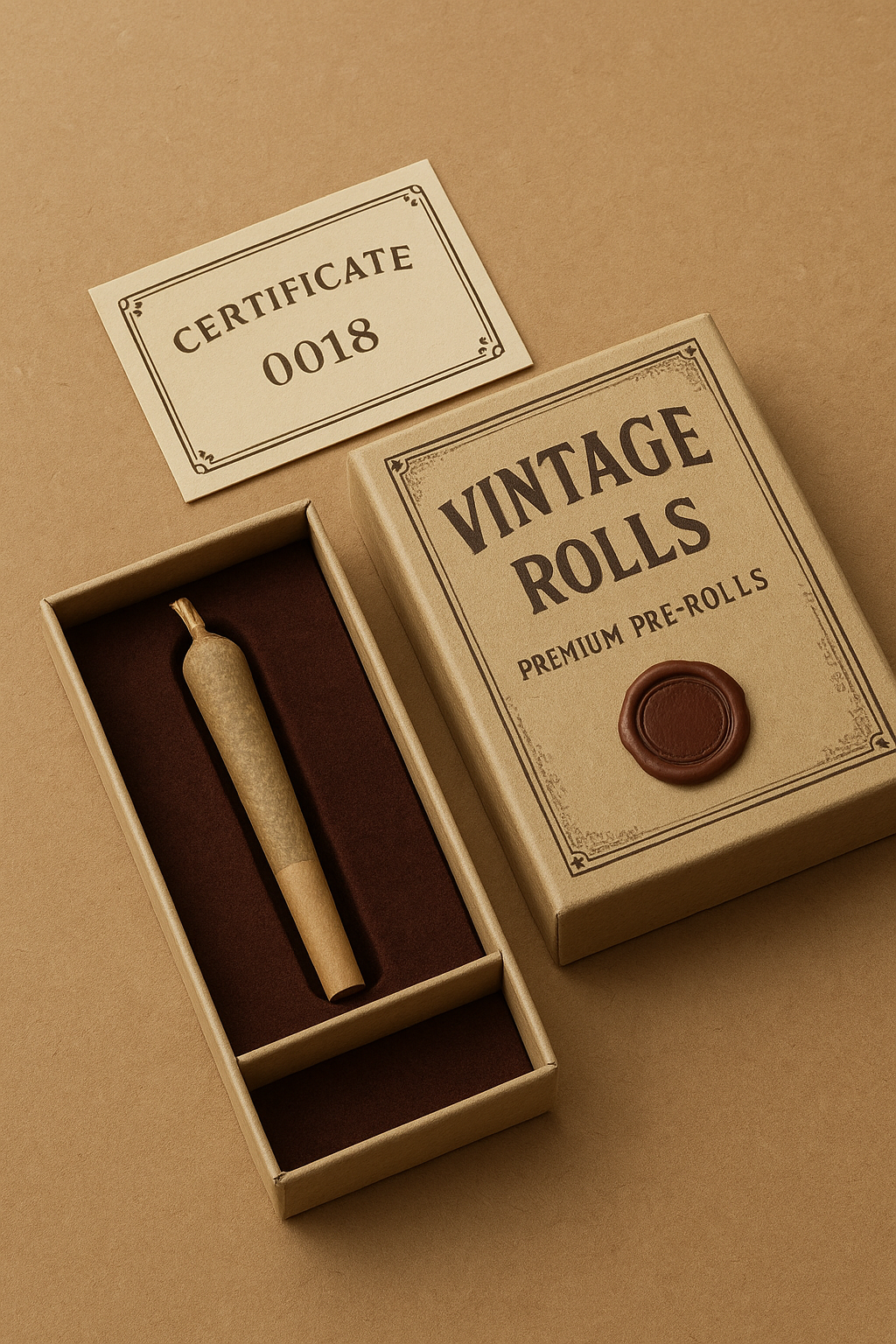
Retro/Heritage(Vintage):aged paperboard,linen textures,wax seals,serif typography—appeals to collectors and nostalgia-driven buyers.
Artist/Designer Collabs(Artistic):unique artwork on limited runs,numberings,and artist credits—drives scarcity and shareability.
Minimalist Premium:matte black or stone-toned boxes,subtle debossing,high-quality inserts—targets premium buyers who value restraint.
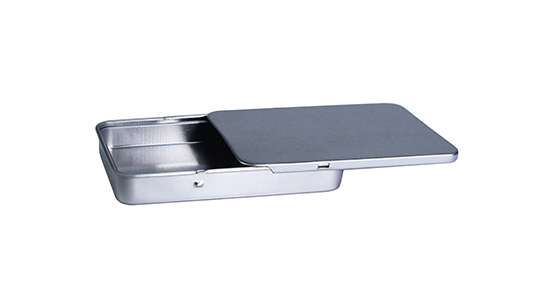
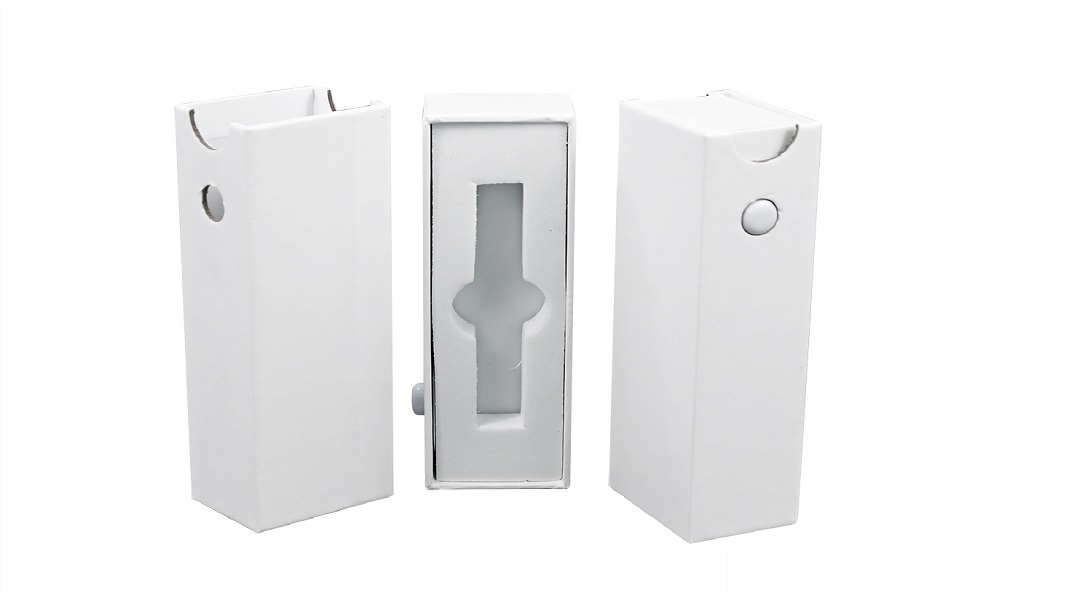
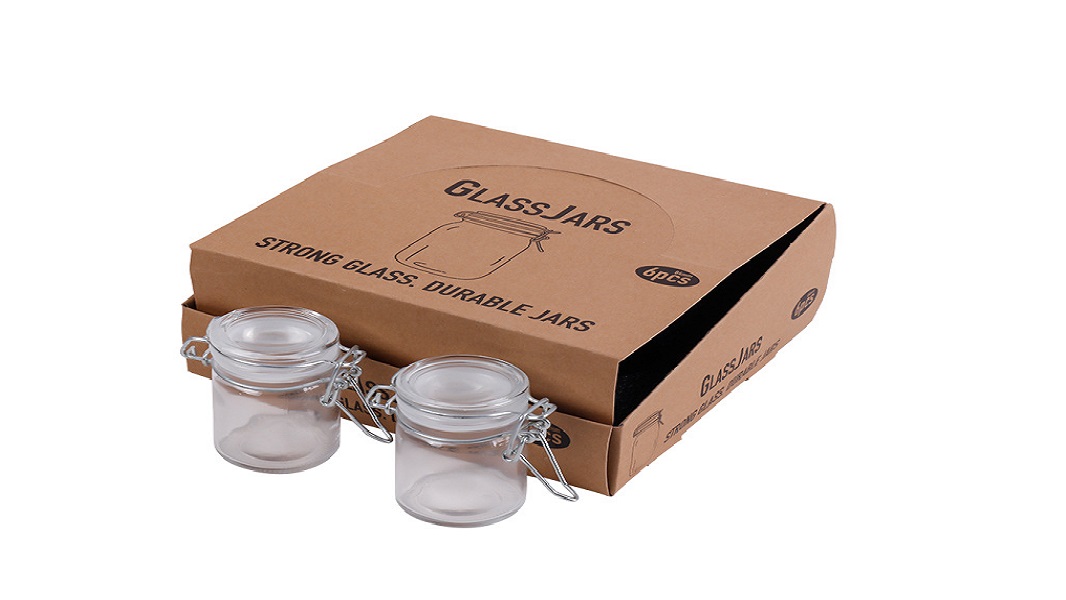
Eco-Luxury:kraft sliding boxes,recycled glass,paper pulp inserts—targets eco-conscious premium buyers.
Interactive/Connected:QR/AR experiences,serialized authenticity codes,or limited-edition digital content—engages digitally native shoppers.
Focus your choice based on audience research:heritage and artisan cues work well with older,affluent buyers;art and interactive packaging resonate with Gen Z and Millennials.
Material&hand-feel:thicker paperboard,soft-touch laminate,leather wraps,or glass signal quality immediately.
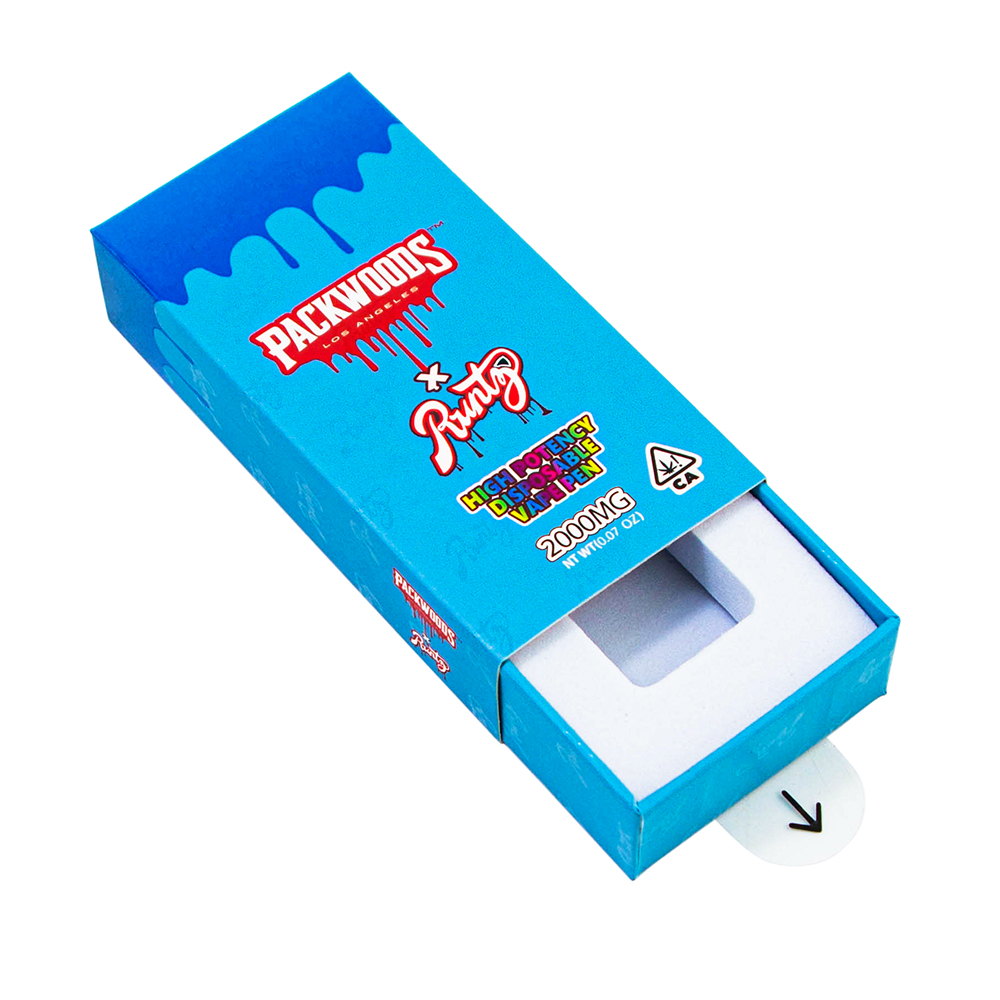
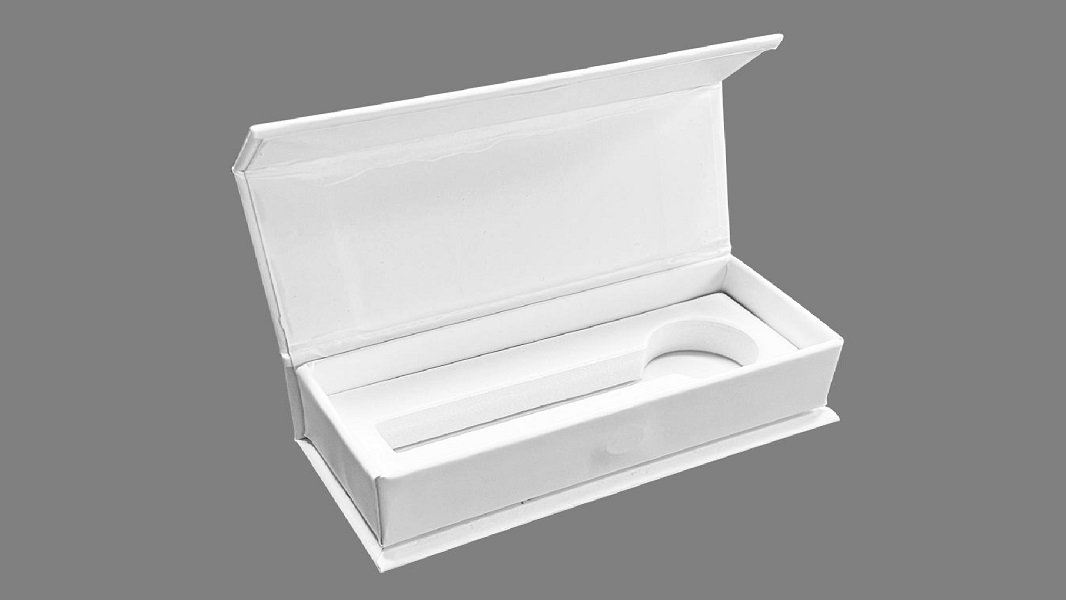
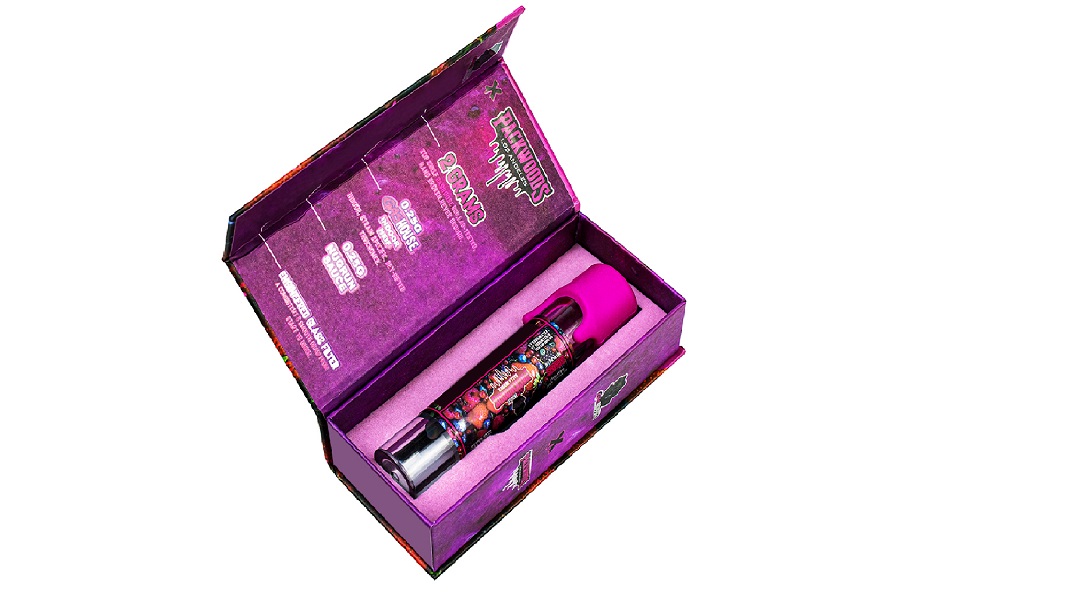
Form factor/unboxing ritual:boxes with drawers,magnetic closures,layered openings create ritual and encourage social sharing.
Limited numbering&certificates:boost collectibility and willingness to pay.
Visual storytelling:short copy,provenance notes,and maker photos—make the small brand human and credible.
Interactive elements:QR-driven rewards,AR product demos,or authentication tags increase engagement and measurable lifts.
Sustainability messaging:clear end-of-life instructions and recycled content claims build trust with eco-aware buyers.
Higher unit cost vs.higher AOV:artisanal materials and finishing increase per-unit cost,but can raise the average order value(AOV)and margins.
Smaller MOQs via digital finishing:use digital printing and finishing to keep MOQs low for small brands.
Inventory&SKU complexity:seasonal or limited runs create inventory variability—plan drops carefully to avoid overstock.
Regulatory checks:always confirm local labeling/advertising restrictions for nicotine-related products in target markets.
Note:the table below uses illustrative figures based on case patterns observed across small-brand pilots.Use these as directional estimates—not guaranteed outcomes.For precise forecasts,run an A/B test.
KPI (monthly or per-campaign) | Before (standard packaging) | After(distinctive packaging+promo) | Illustrative impact |
Website conversion rate | 0.9% | 1.8% | +100% |
Average order value(AOV) | $28 | $44 | +57% |
Repeat customer rate(30–90 days) | 12% | 19% | +58% |
Social shares/UGC posts/month | 5 | 42 | +740% |
Retail buyer interest(meetings/inquiries) | 2/month | 7/month | +250% |
Gross margin per unit | 28% | 34%(price uplift offsets higher cost) | +6 pp |
How to interpret:a well-executed design drop combined with a small digital activation(QR or limited-run artist collab)commonly doubles conversion and substantially increases social traction.The exact uplift depends on product-market fit and execution quality.
Identify target persona and platform(DTC Instagram shoppers vs.brick-and-mortar boutique buyers).
Map 3 packaging concepts that express the brand story(e.g.,“urban atelier,”“vintage tobacco trunk,”“eco-artisan”).
Estimate unit costs and MOQ for each concept.
Produce 200–1,000 prototype units via digital print and short-run finishing.
Test two channels:direct-to-consumer product page with A/B creative and 2–3 local retailers as consignment.
Use a launch bundle:limited edition+QR bonus content or small loyalty incentive.
Track the KPIs from table(conversion,AOV,social mentions).Run post-purchase surveys for qualitative feedback.
If KPIs meet thresholds(e.g.,>40%AOV lift or>2×conversion),scale to larger runs with optimized tooling to reduce per-unit costs.
Consider artist collaborations for the next season or a subscription pack to lock in repeat buyers.
Unboxing influencers:send limited units to micro-influencers(niche,authentic voices)with unboxing prompts.
Artist story content:short films or posts about the maker increase perceived value.
Limited drops and waitlists:scarcity drives urgency and earned PR.
In-pack QR experiences:behind-the-scenes content,authenticity verification,or points for repeat purchases.
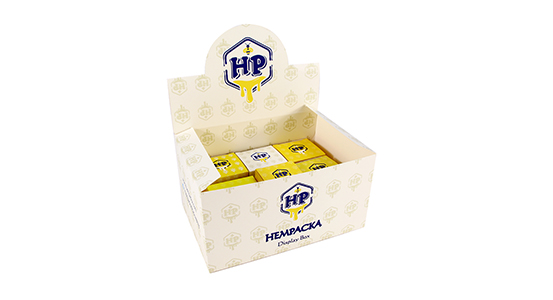
Retail display kit:provide boutiques with a luxe display sample and merchandising instructions.
Case A—Retro Rollers(small pre-roll brand):moved from generic pouch to numbered cedar-style slide boxes with wax seals;AOV rose 62%and boutique retail pickups increased.
Case B—ArtCollab(vape-accessory startup):released 300-piece artist series with signed prints;social mentions jumped,and the launch sold out in 10 days.
Case C—GreenCraft(eco artisan):swapped to kraft drawer boxes with molded-pulp inserts and clear recycling instructions;gained placement in eco boutiques and improved repeat rate.
(If you want,I can create visual mockups based on any of these concepts to use in pitches or social posts.)
Conversion rate(by variant)
AOV and margin per SKU
Social mentions/hashtag use/UGC volume
Retail inquiries&shelf pickup rate
Customer satisfaction(post-purchase NPS or quick survey)
Inventory sell-through for limited editions
Overdesigning:too many finishes raise cost with little incremental perceived value—focus on one or two standout features.
Ignoring compliance:interactive content or imagery that could be interpreted as youth-appealing risks regulatory trouble.Get legal sign-off in target markets.
Poor execution of scarcity:artificial scarcity can damage trust—be transparent about edition sizes and restock plans.
Greenwashing:if claiming sustainable materials,provide clear certifications and disposal instructions.
Q:How much more will premium packaging cost?
A:Short-run artisanal packaging often costs 30–150%more per unit than baseline cardboard/pouches;cost declines with volume and simplified tooling.
Q:Should I prioritize online or retail-first packaging?
A:Start online(DTC)to control storytelling and capture rich analytics,then adapt successful SKU designs for retail display.
Q:Are artist collaborations worth it for small brands?
A:Yes—artist collabs can create PR and social traction.Use small limited runs to test demand.