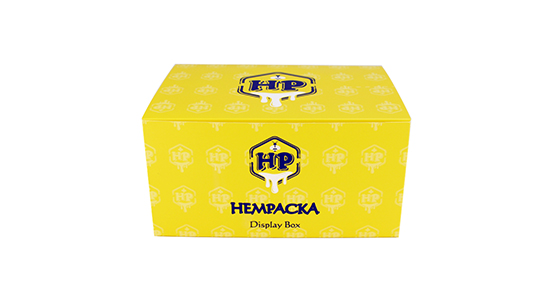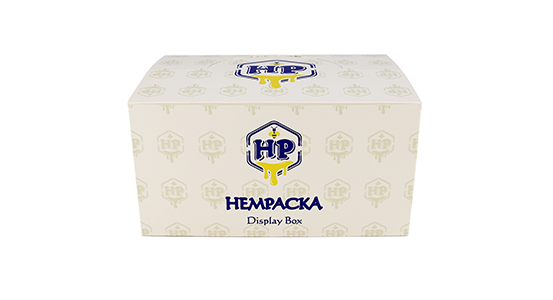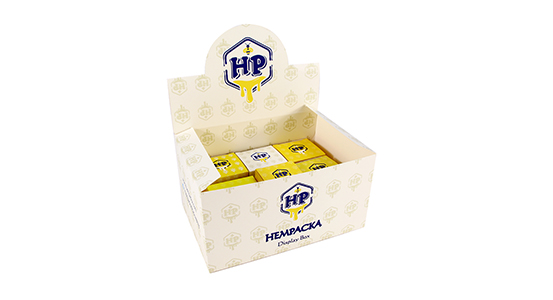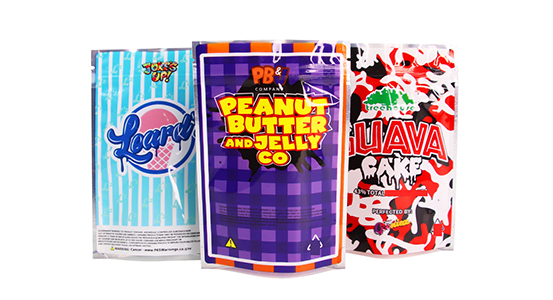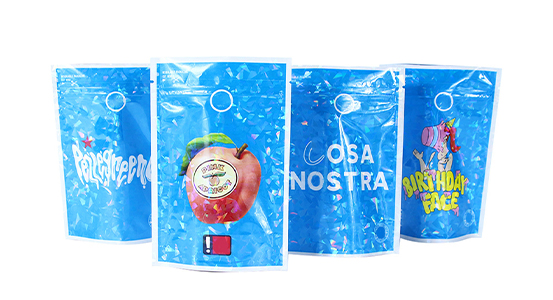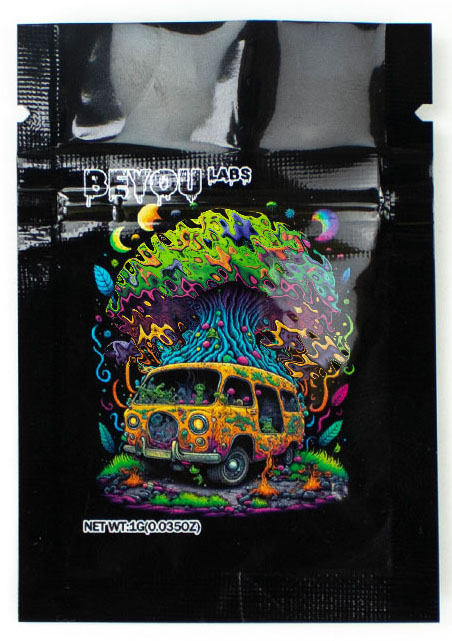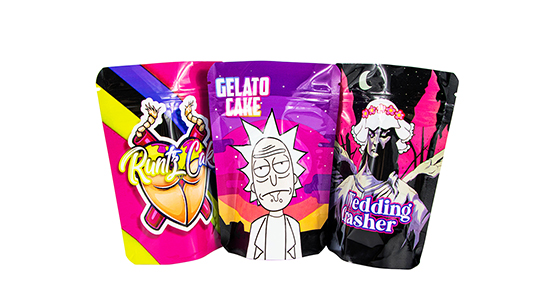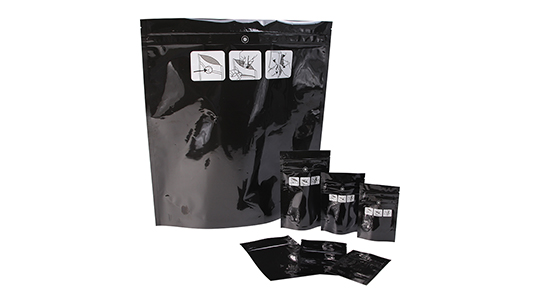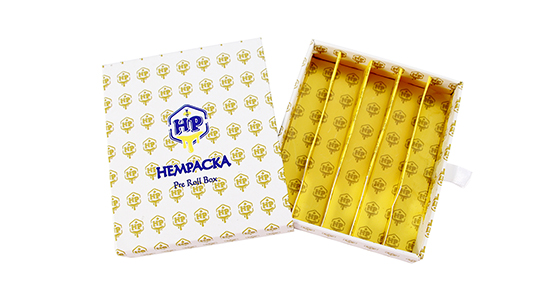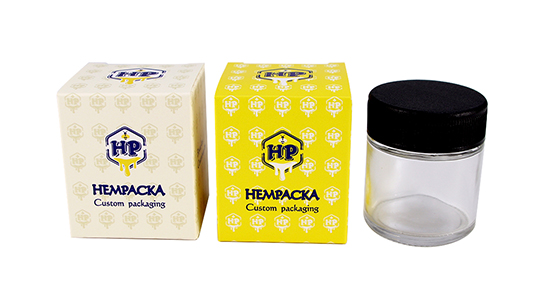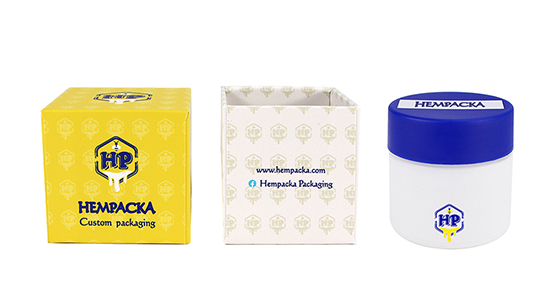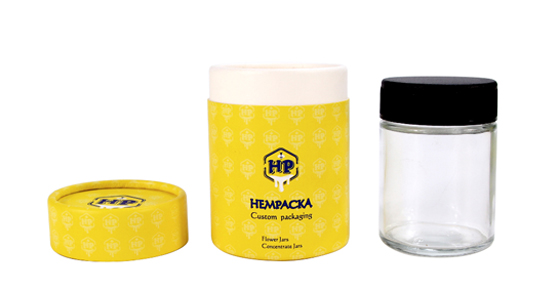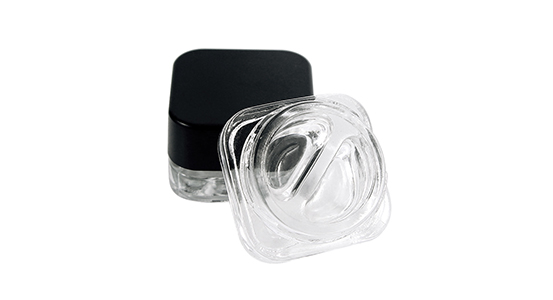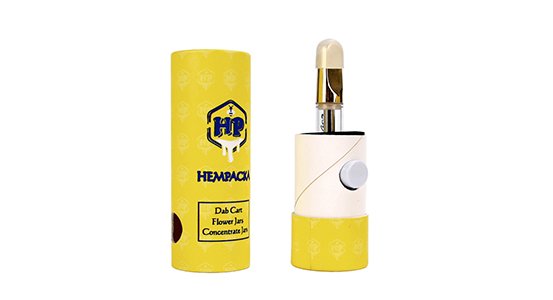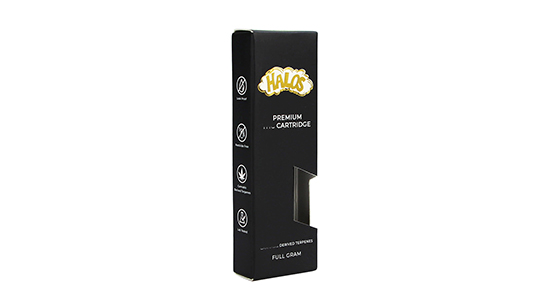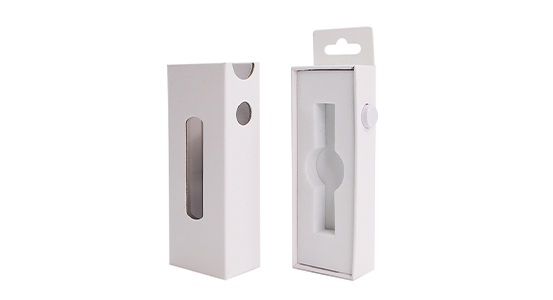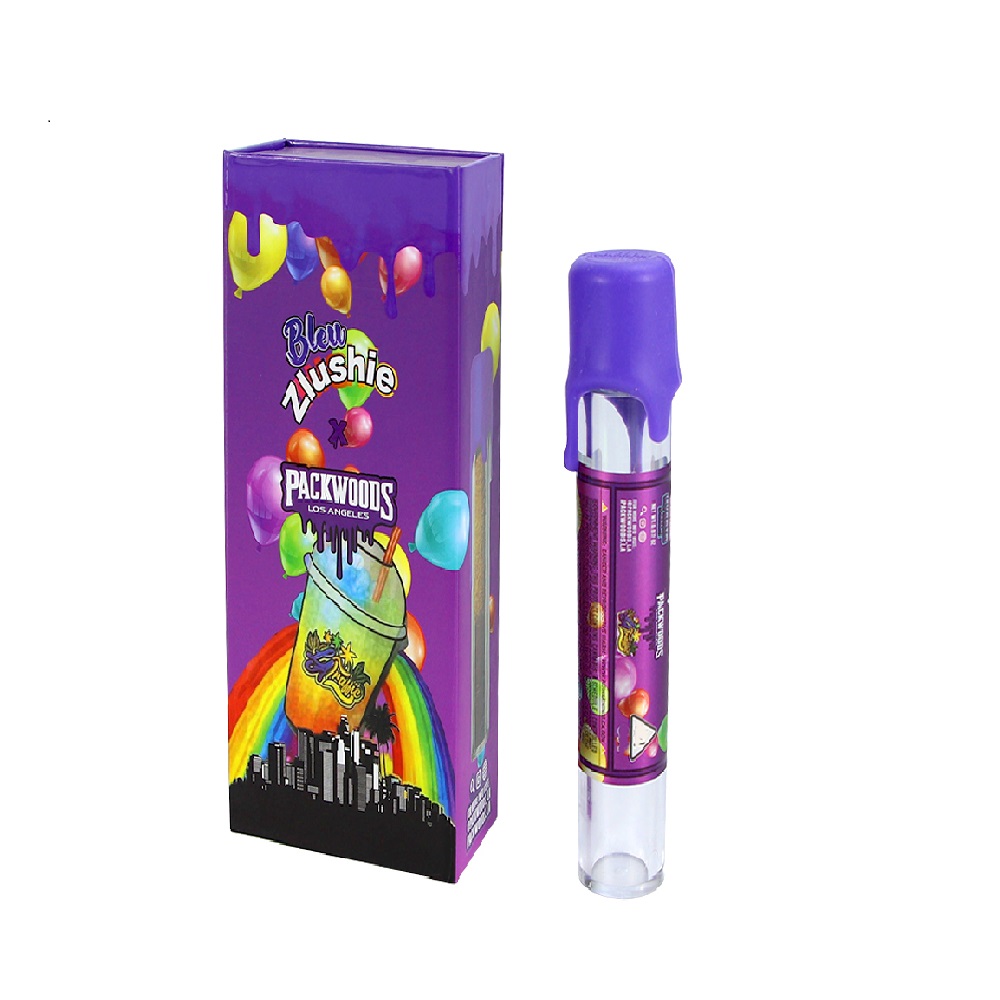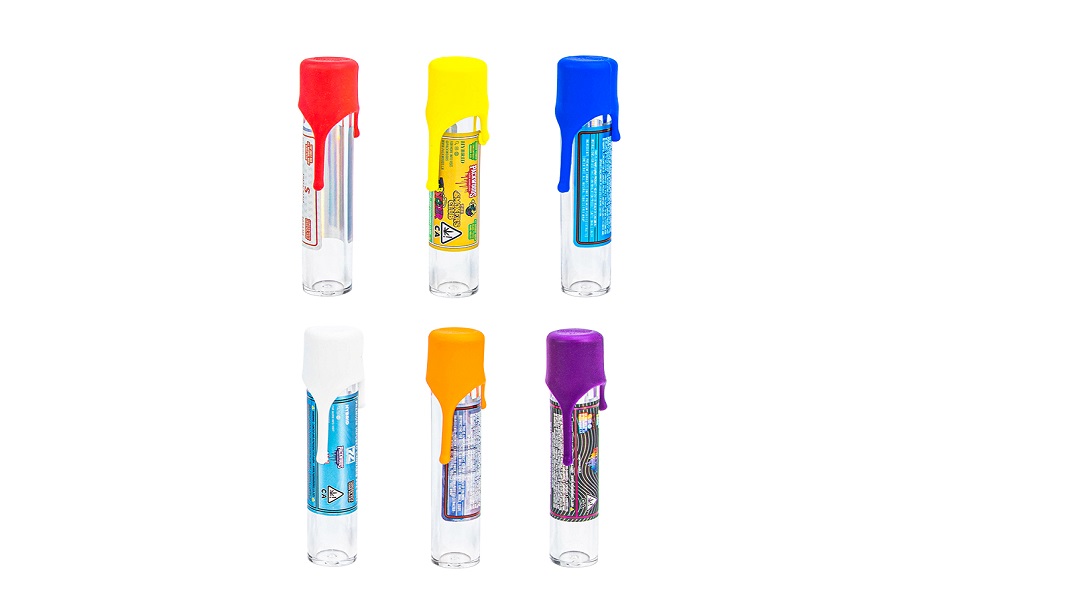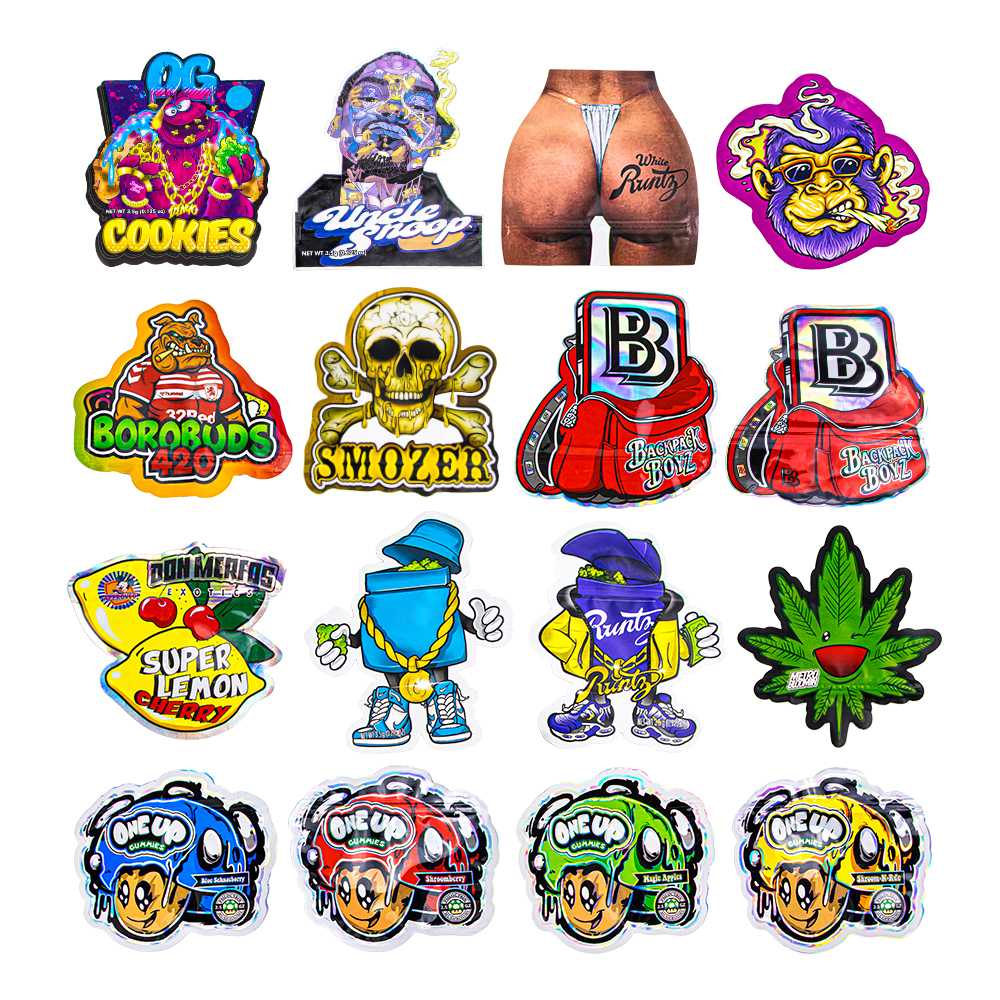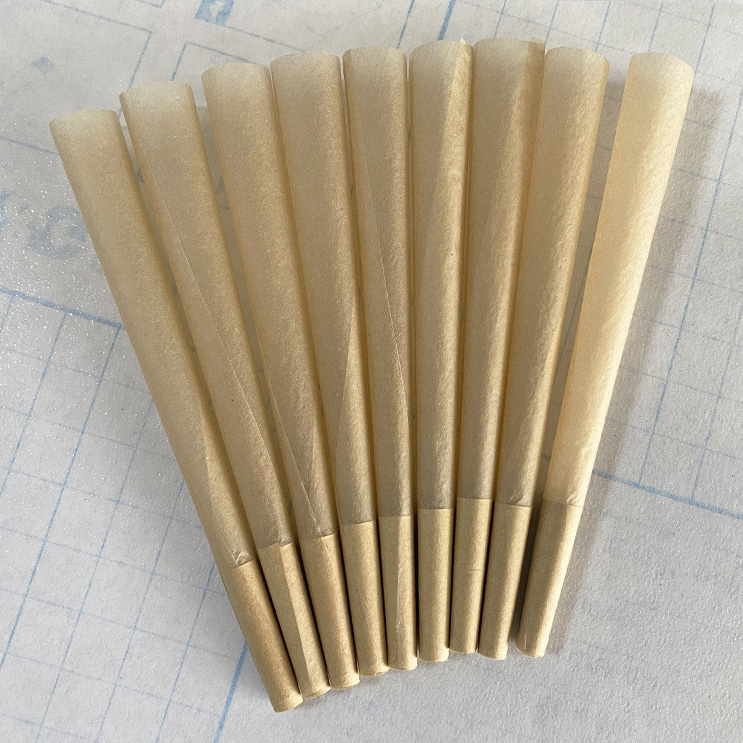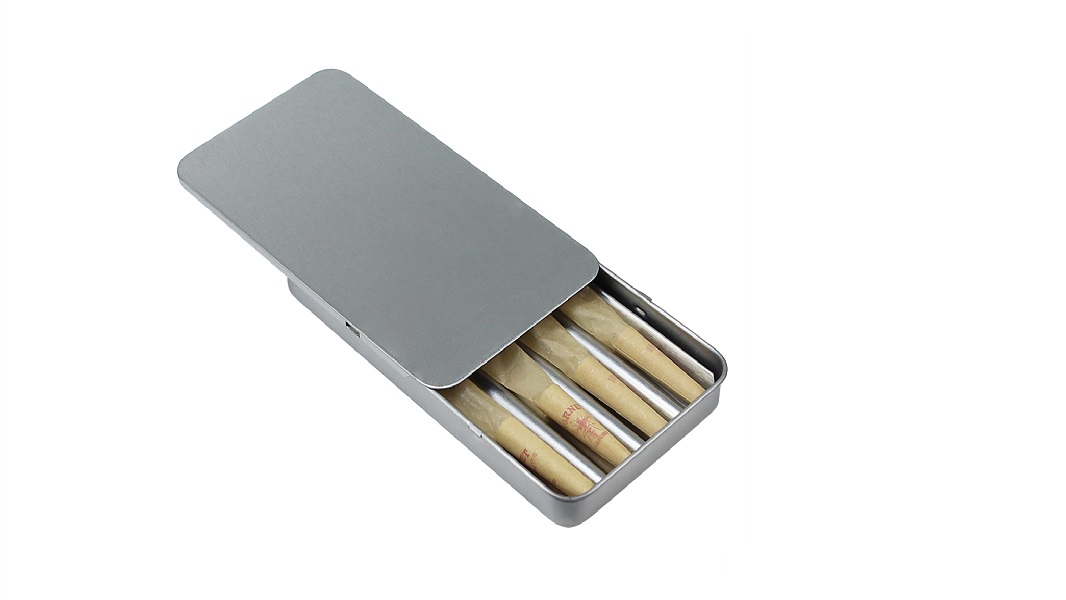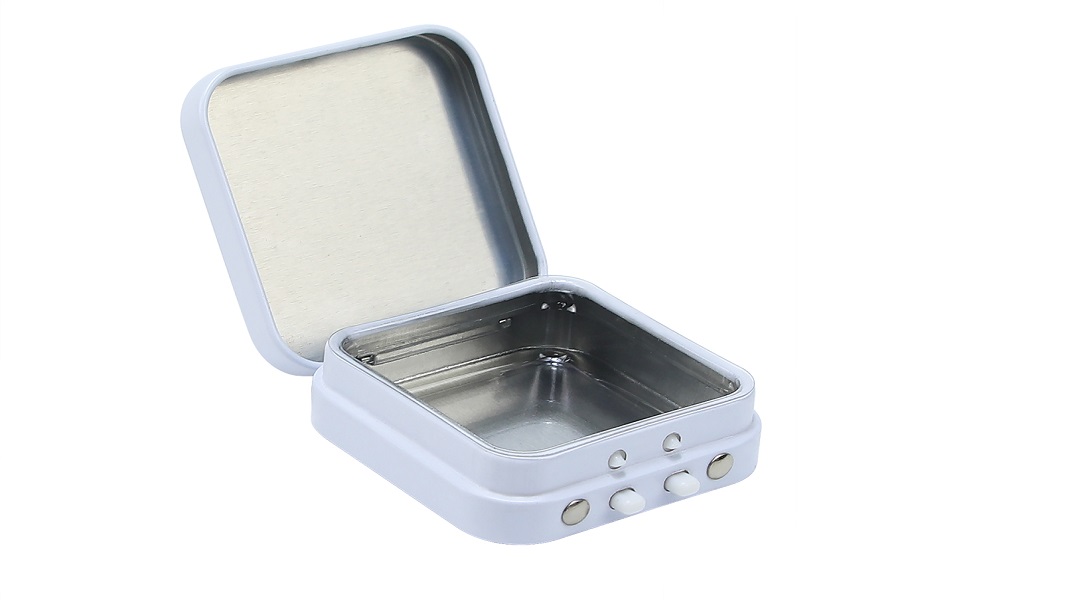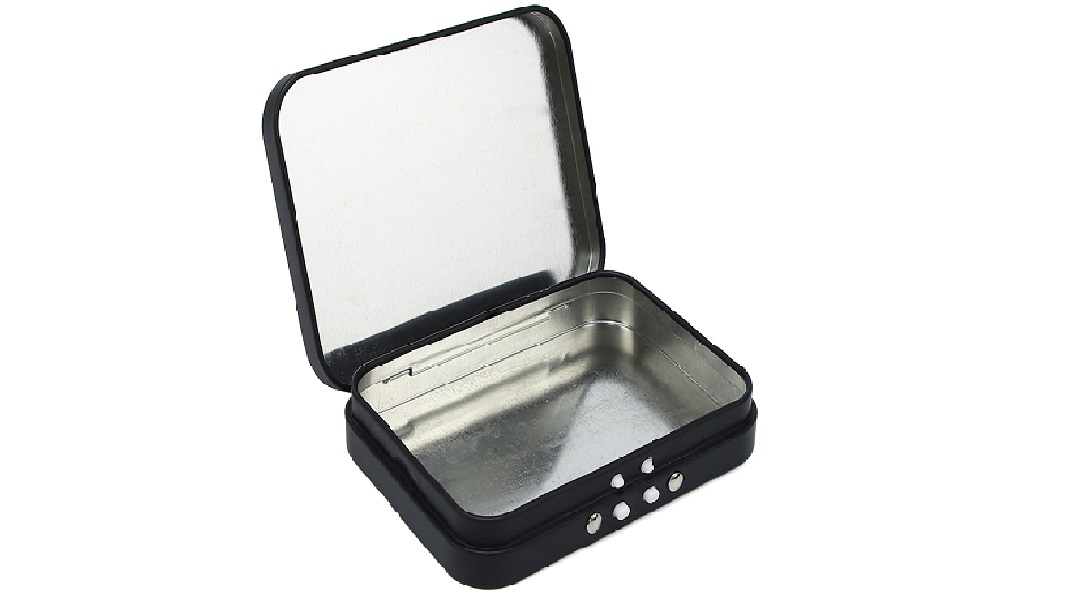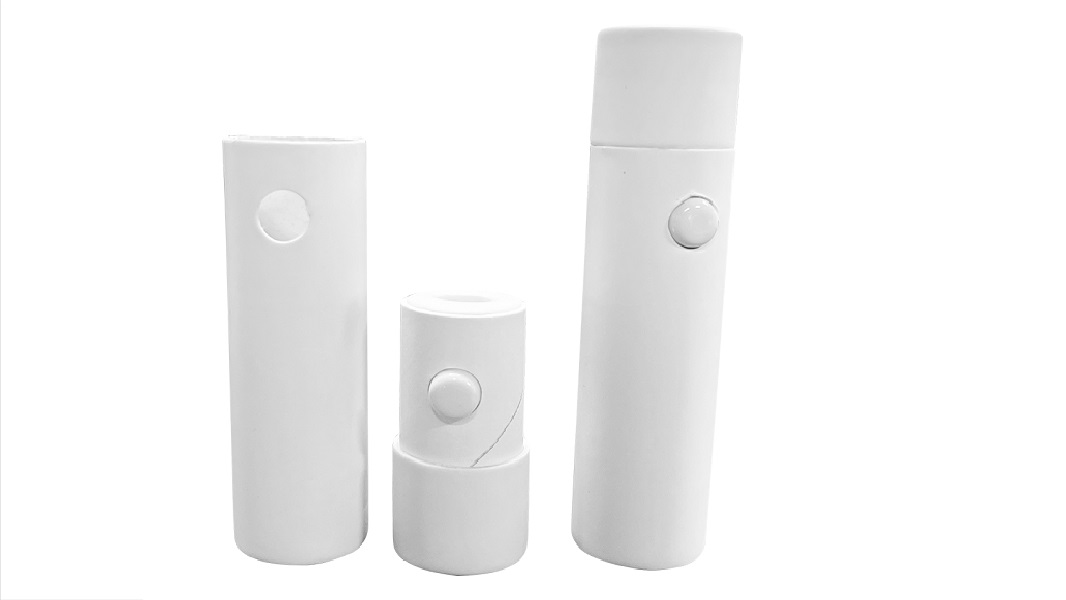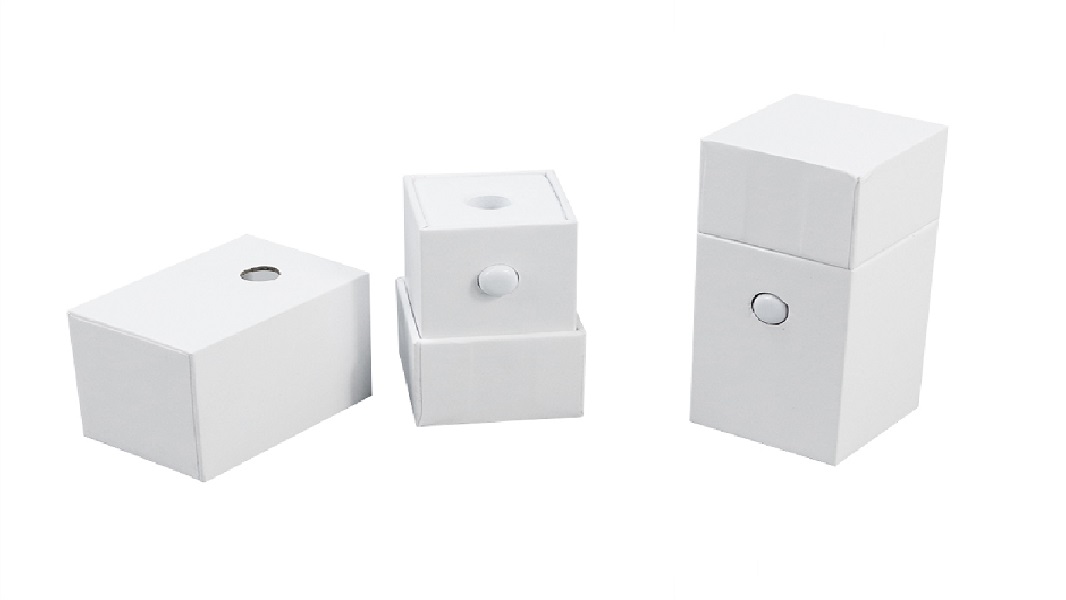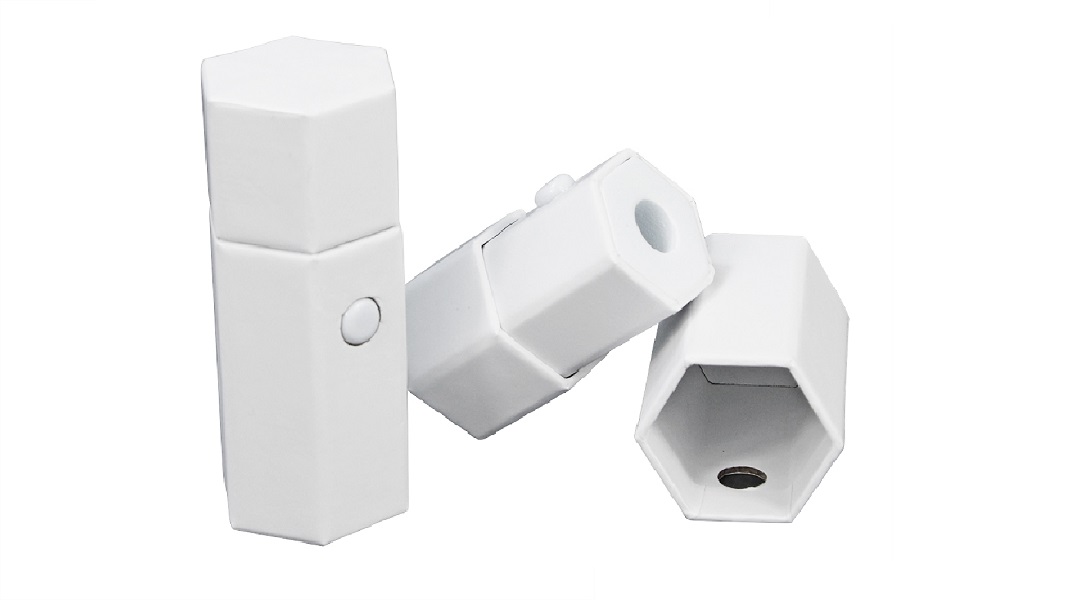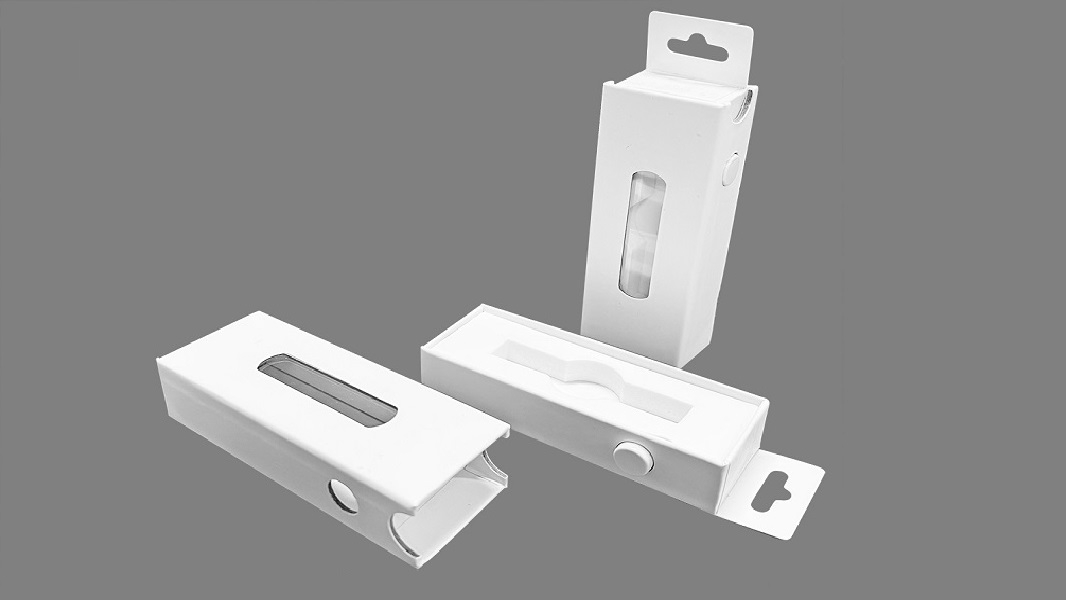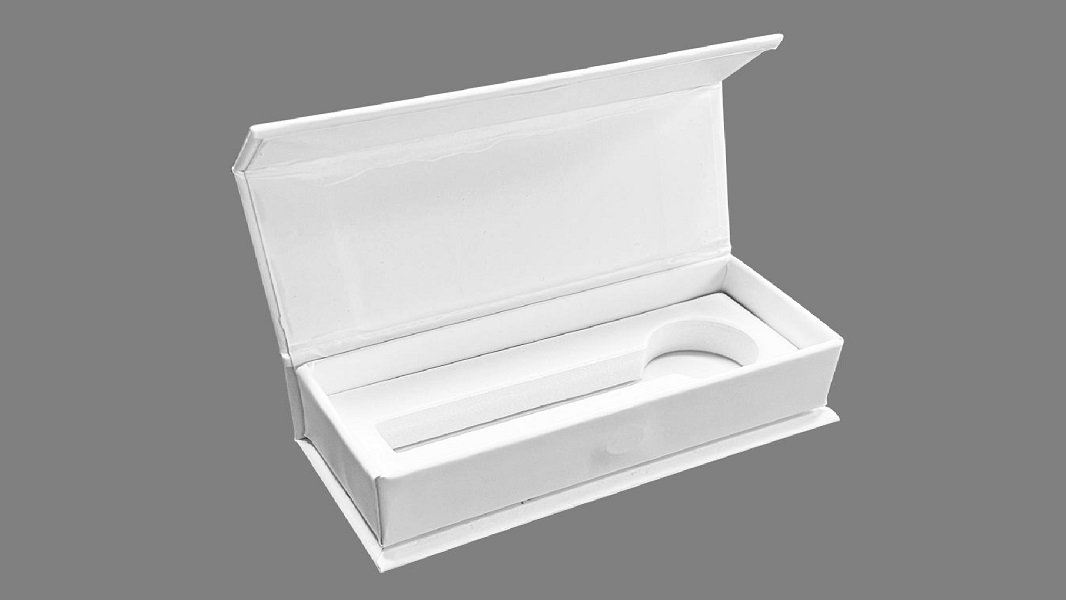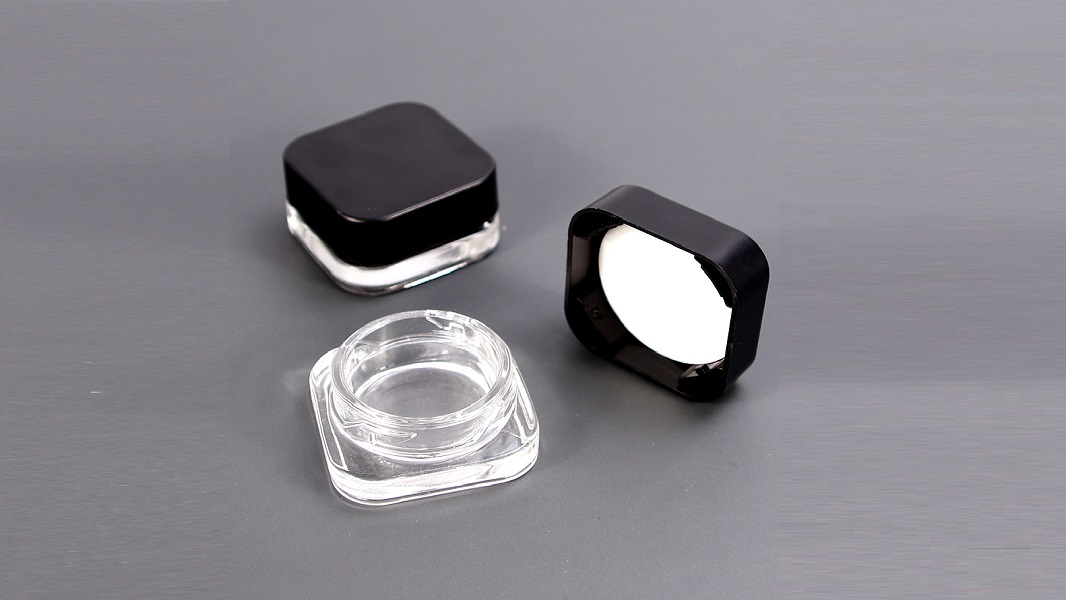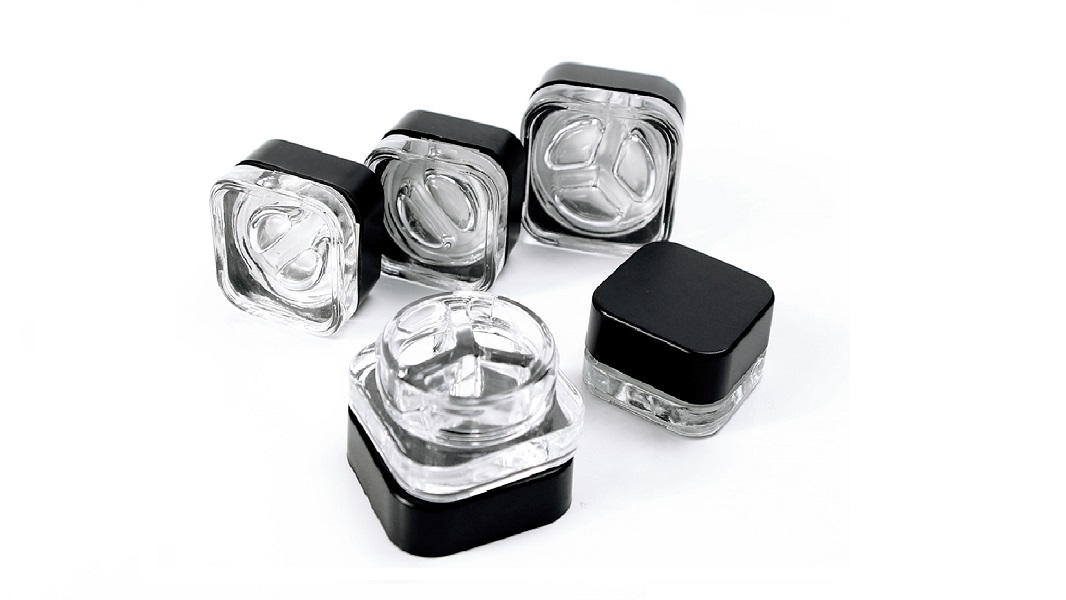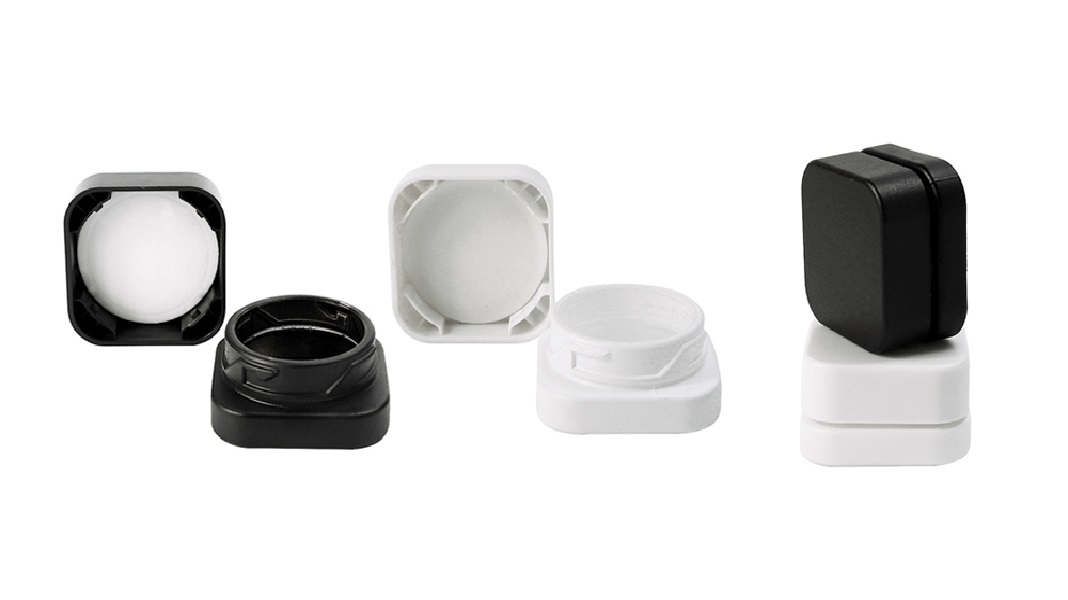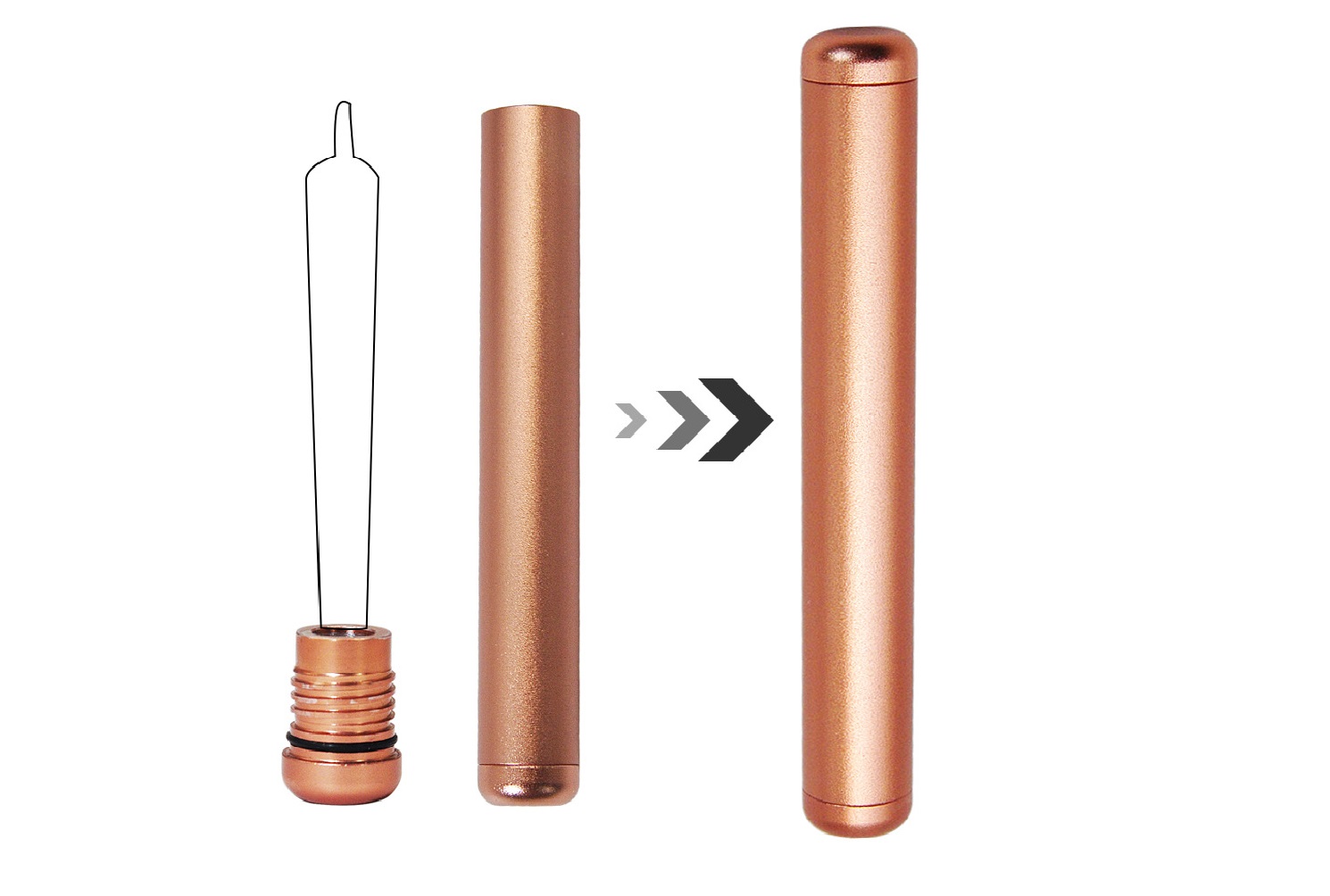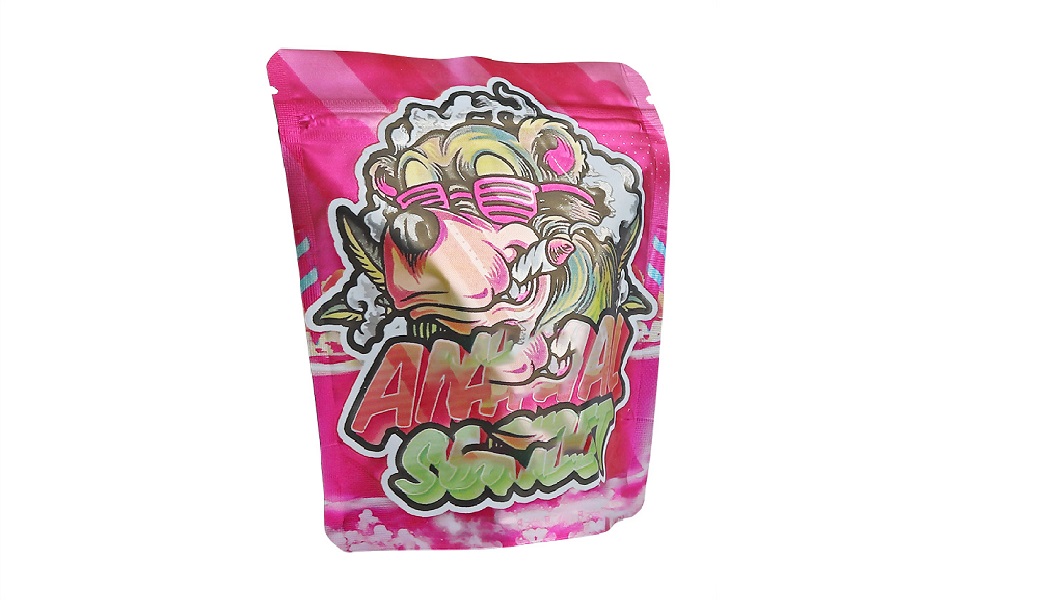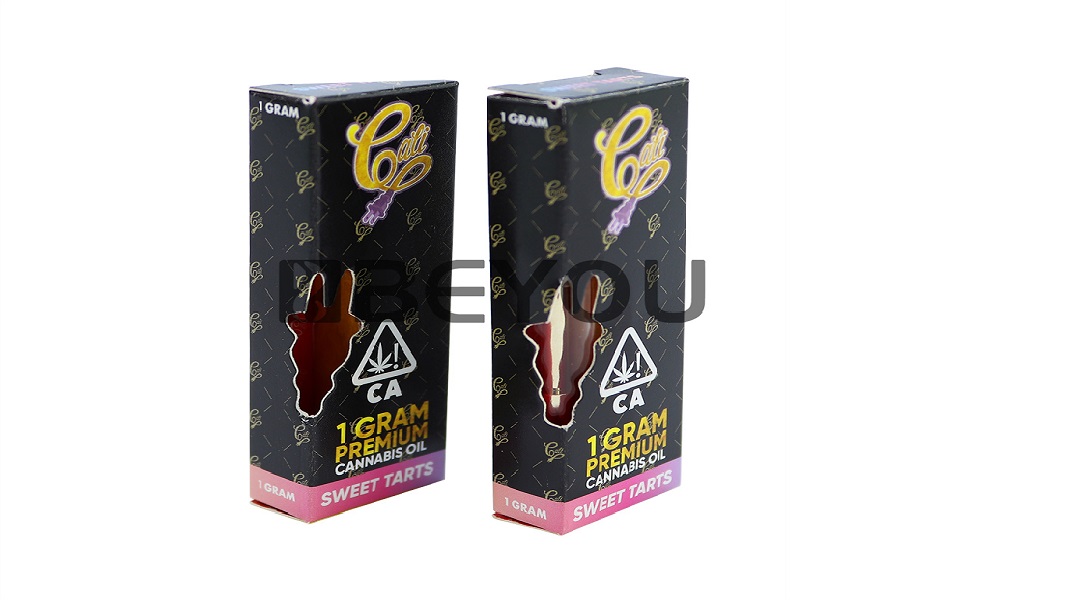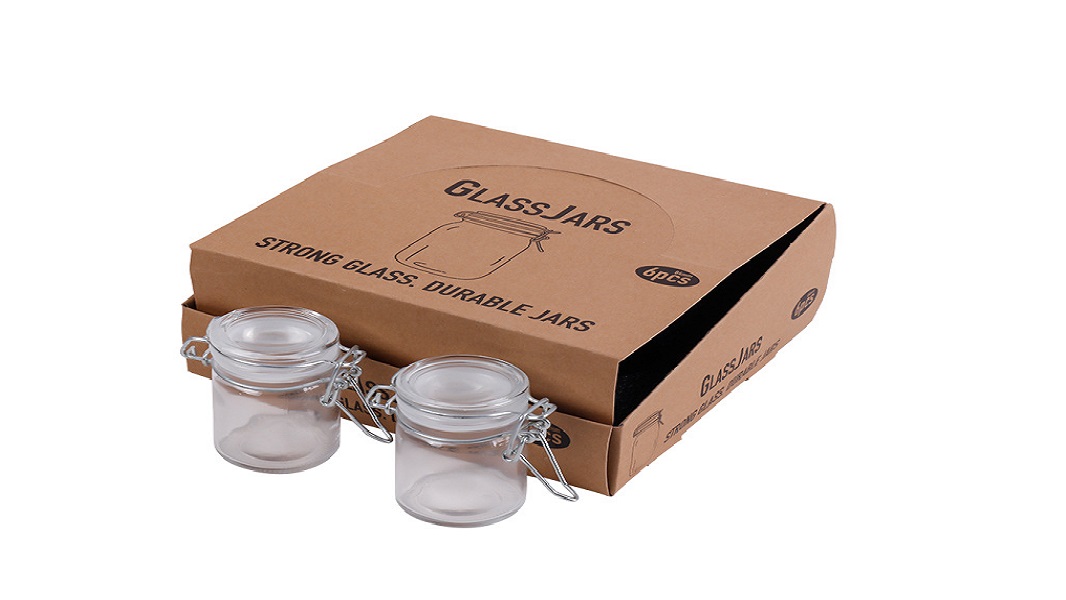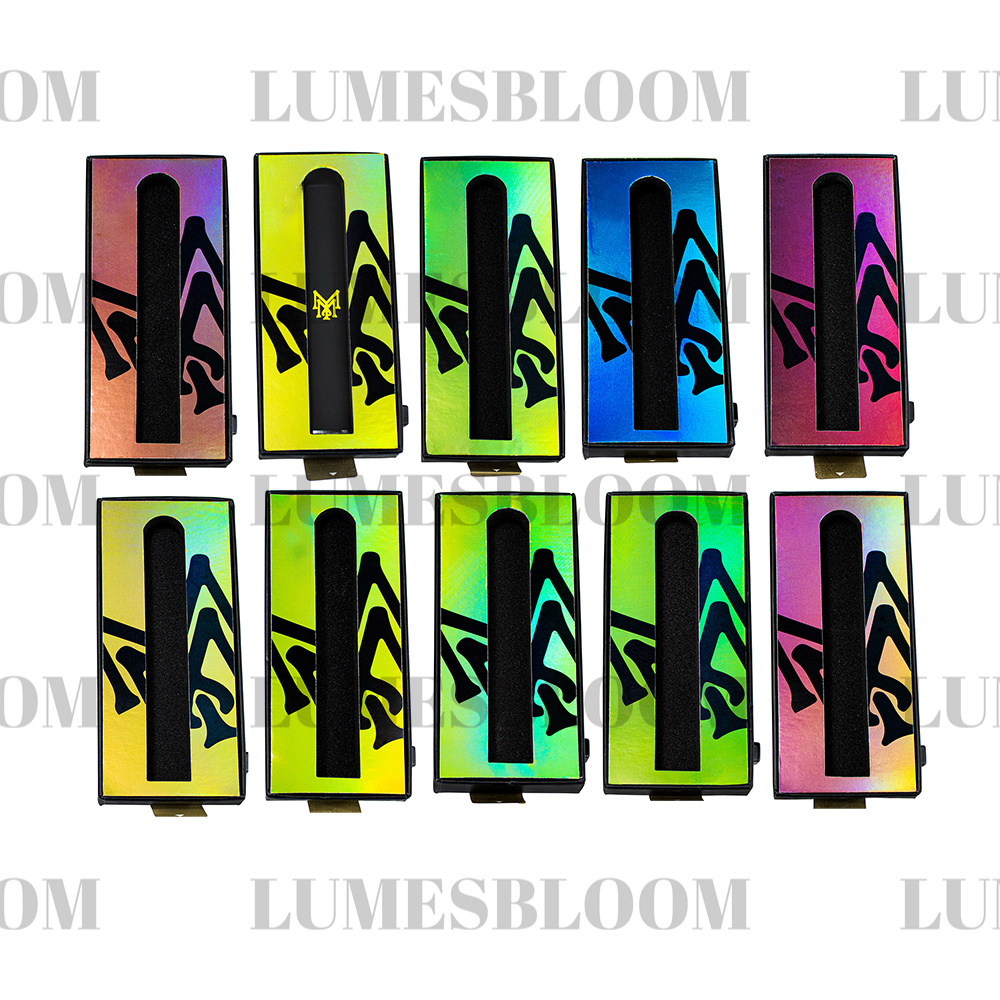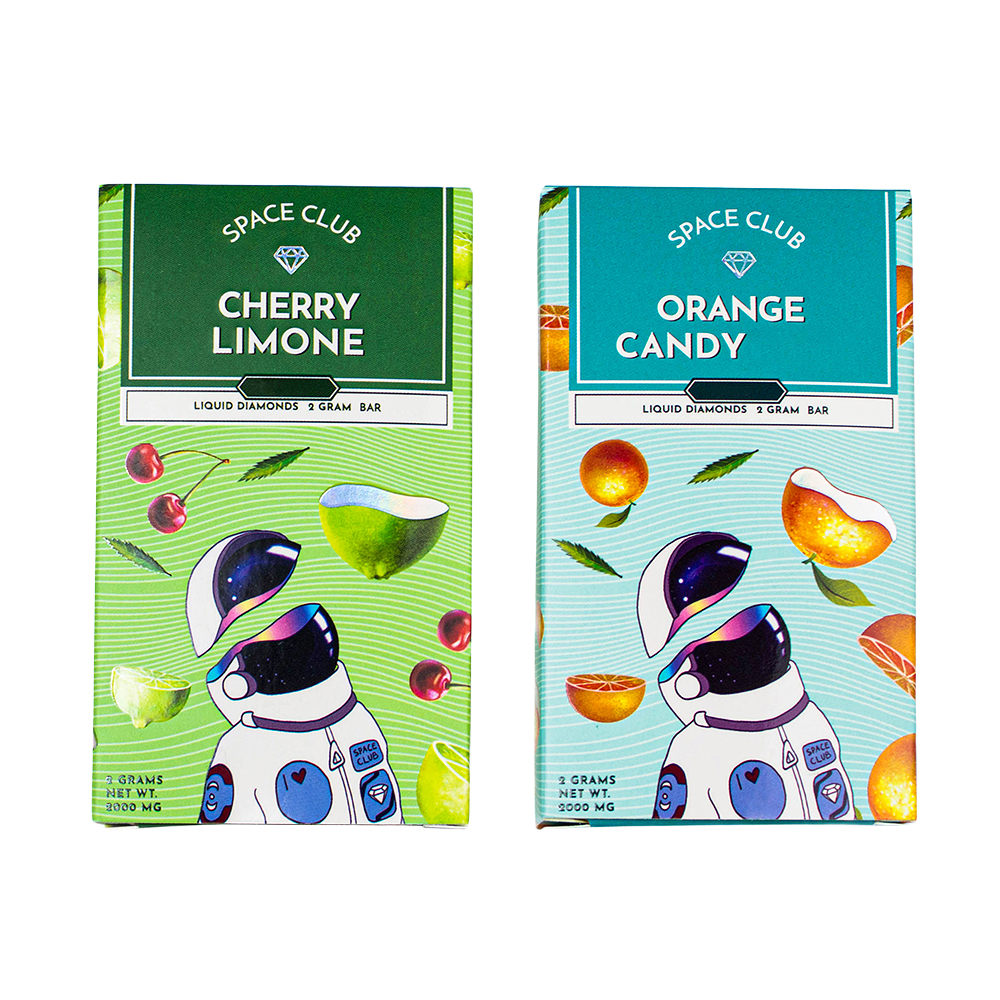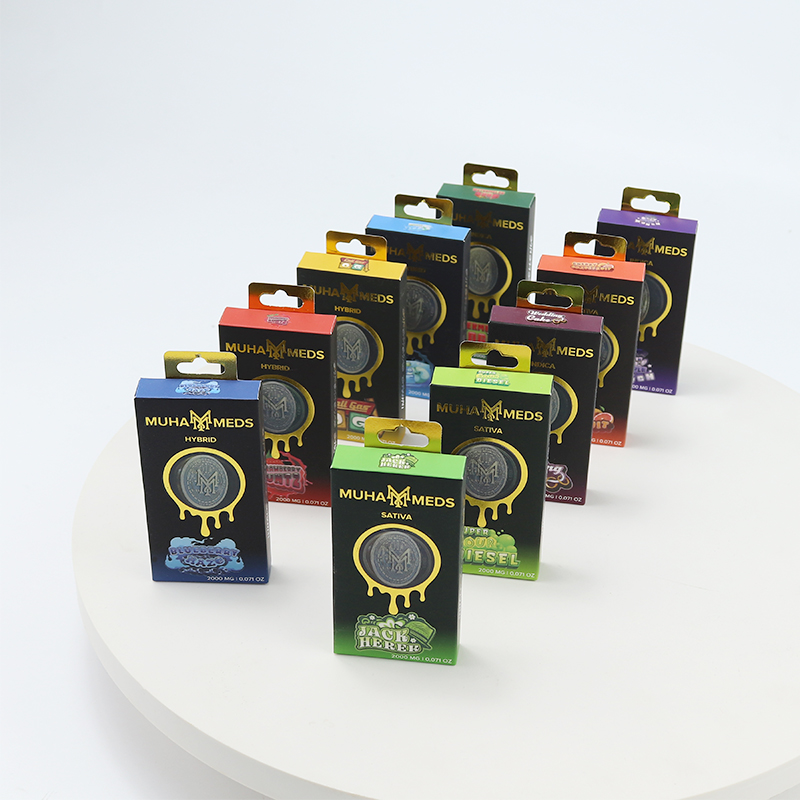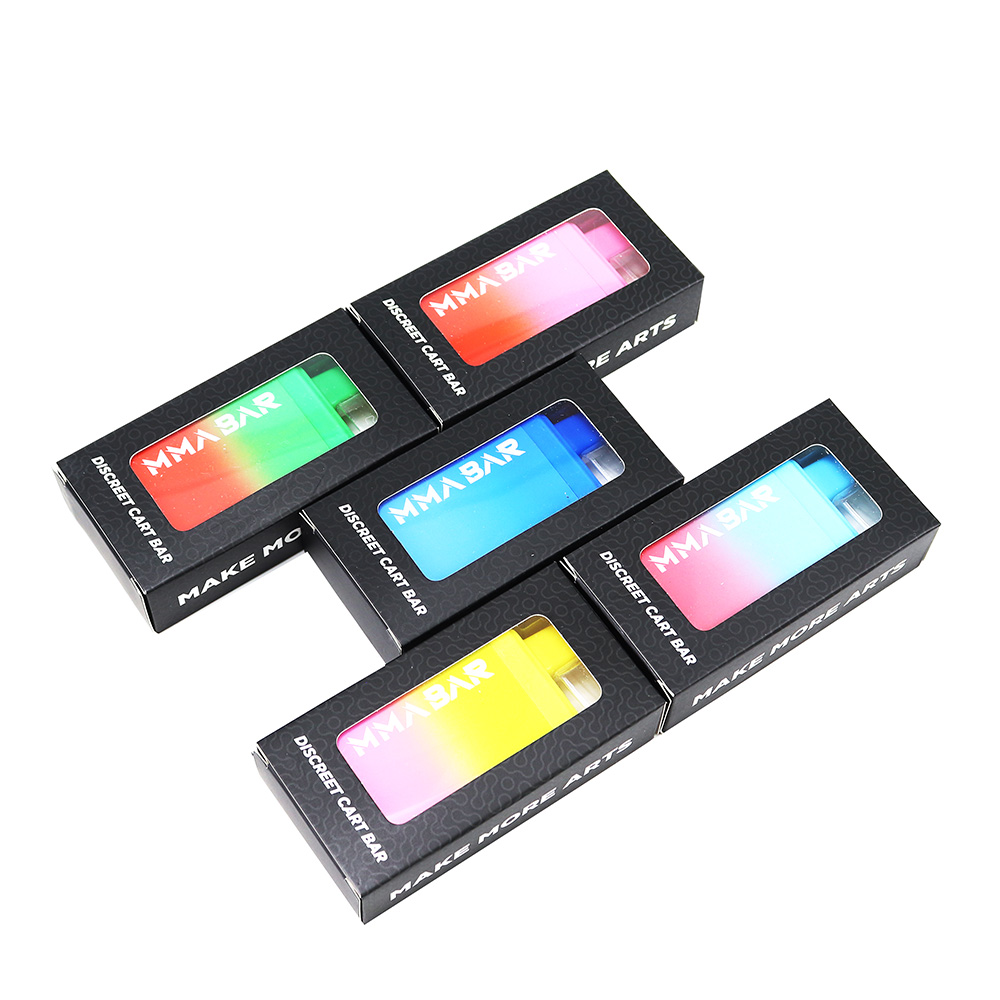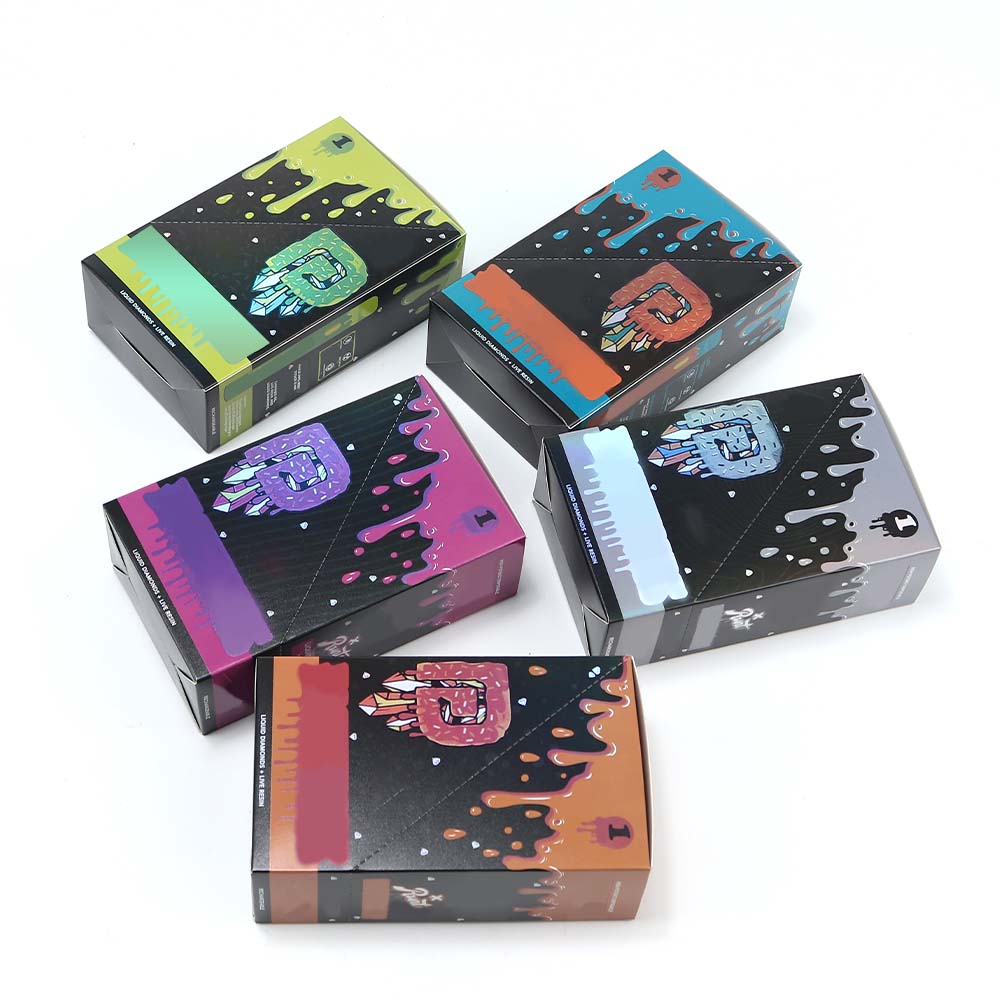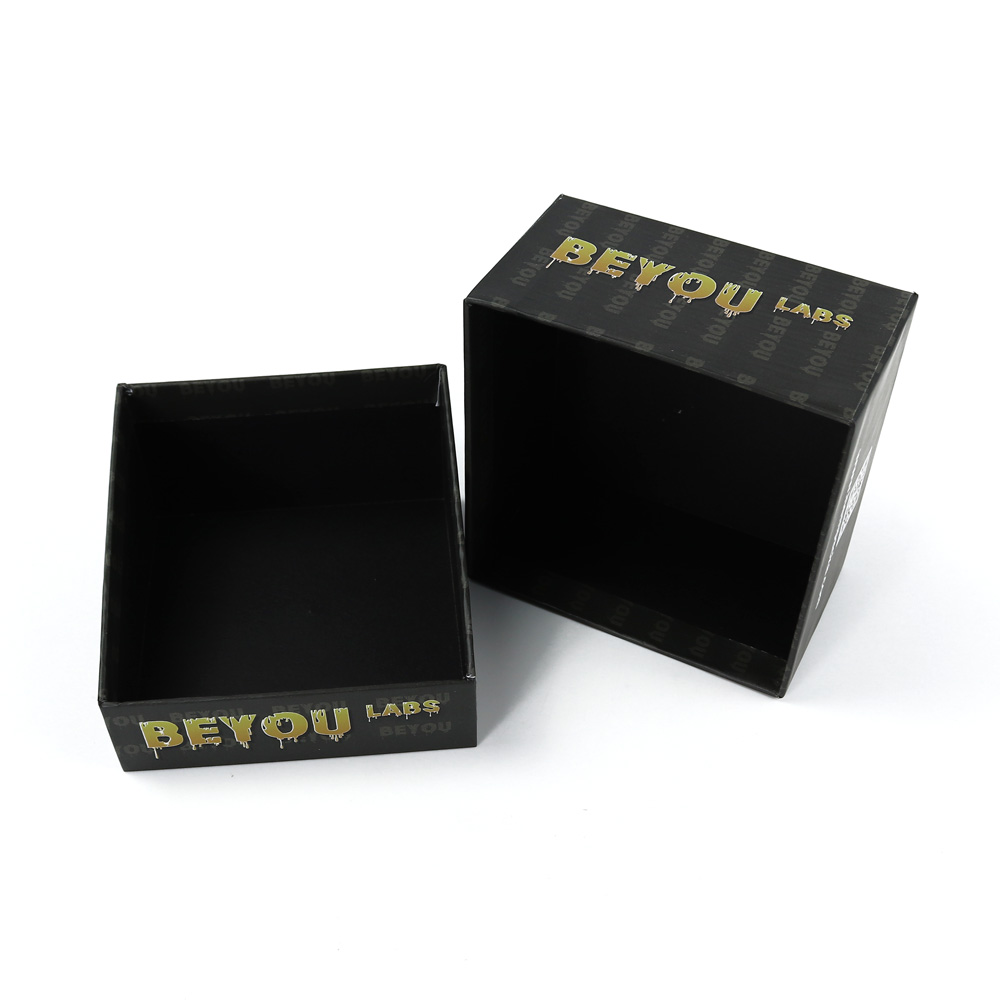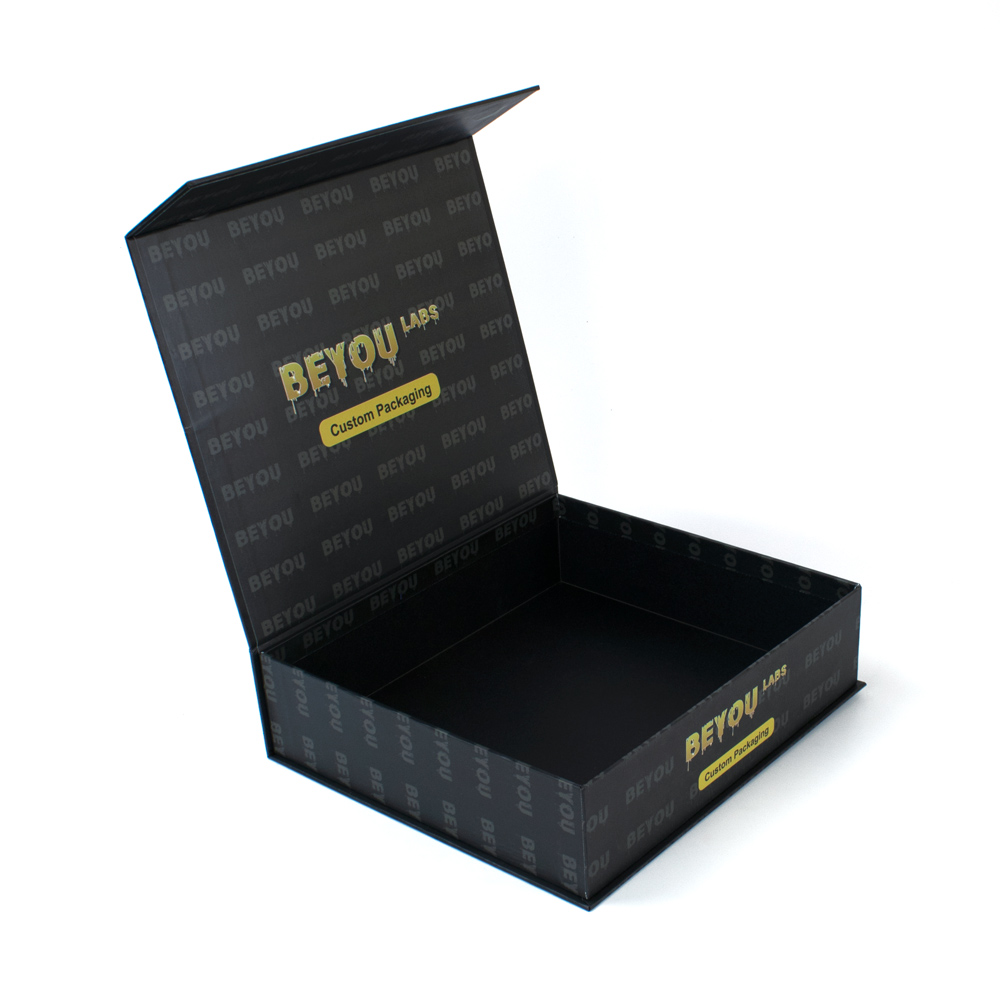
HEMPACKA Custom Logo Child Resistant Vape Cart Packaging Box
CALL : +86 18665993463 | PRICE BEAT GUARANTEE

The smoking accessories packaging market in Europe and the United States is entering a period of accelerated transformation. Driven by regulatory pressure, sustainability goals, premiumization, and smart technology adoption, packaging is no longer a supporting element—it is a strategic growth lever. Over the next few years, brands that anticipate changes in materials, design language, and consumer expectations will gain a decisive competitive advantage.

Environmental responsibility will shift from a differentiator to a baseline requirement.
Increased use of recyclable paperboard, molded pulp, and glass
Decline in mixed-material plastic packaging
Clear recycling instructions printed on packaging
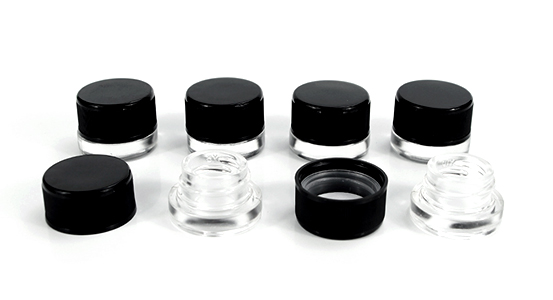
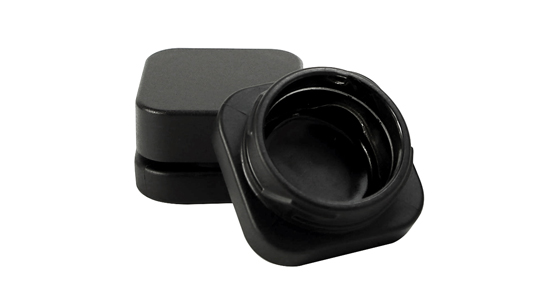
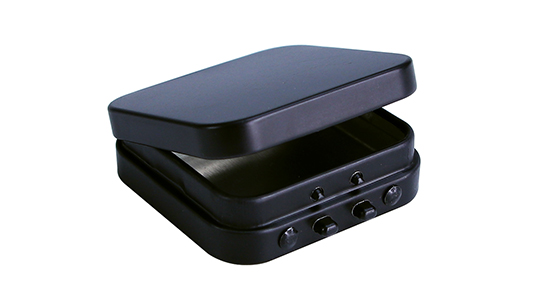
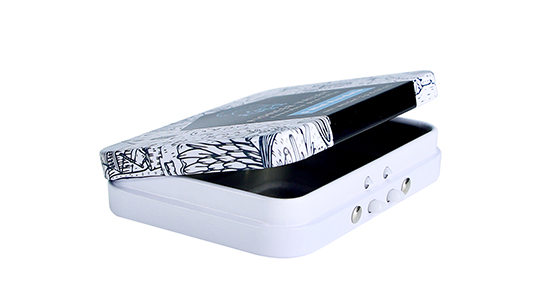
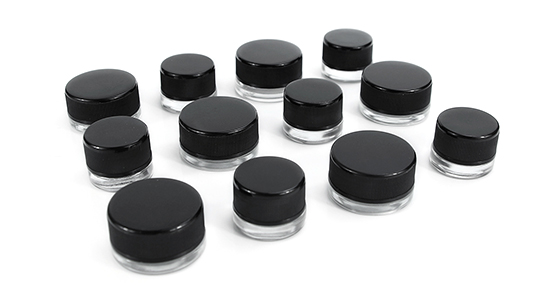
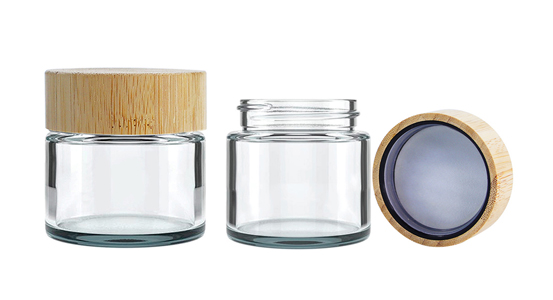
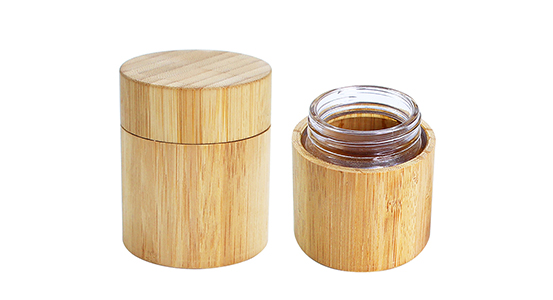
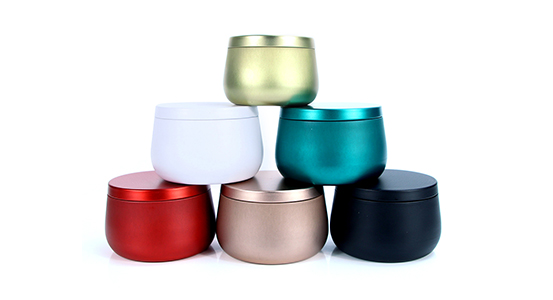
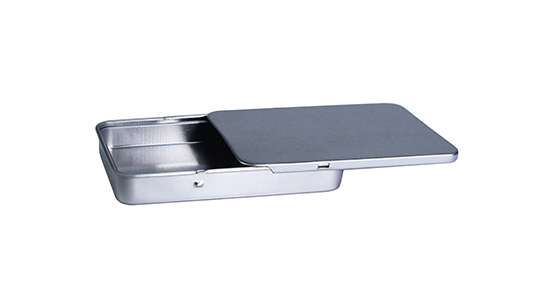
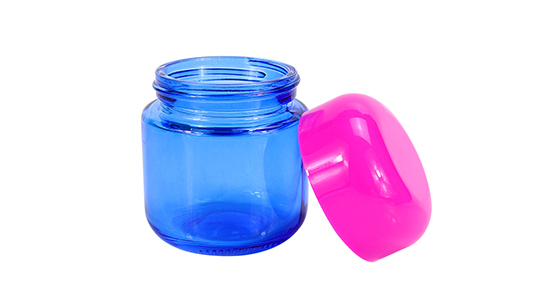
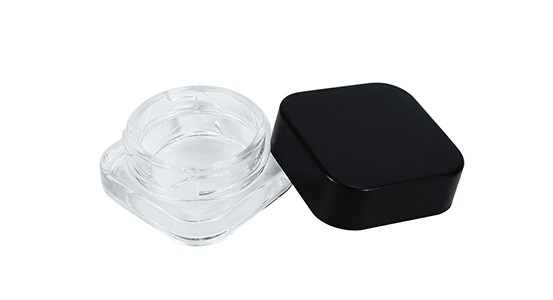
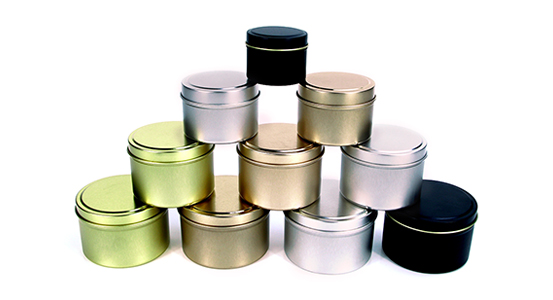
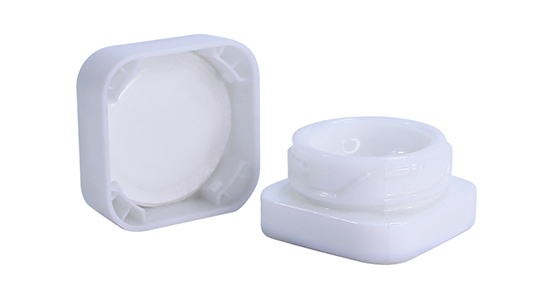
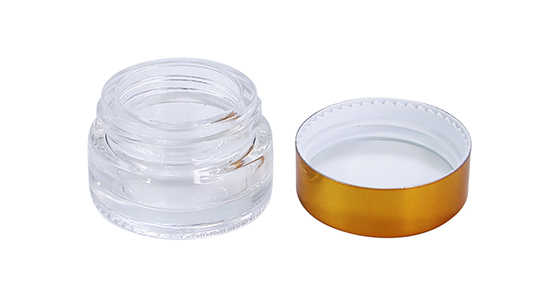
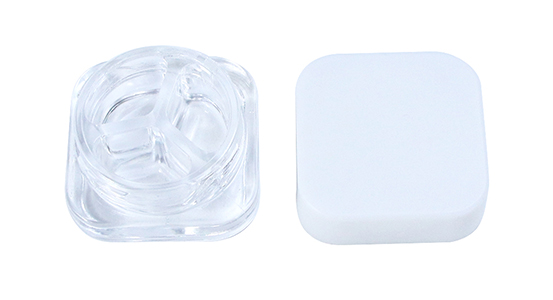
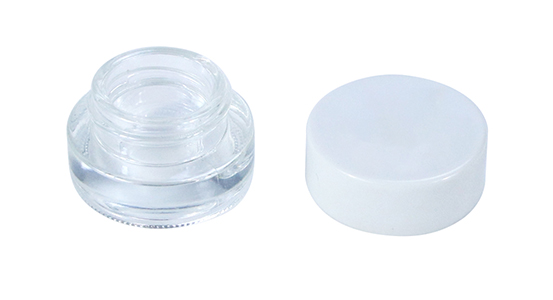
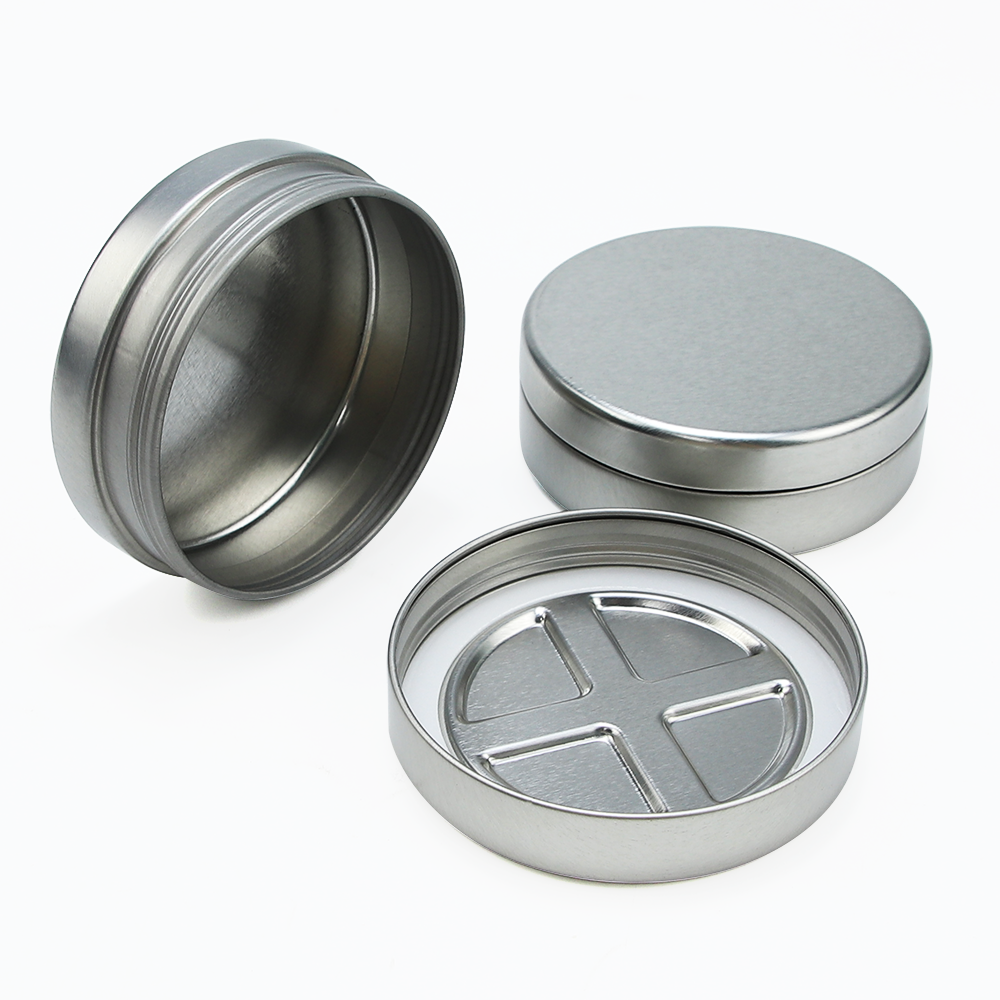
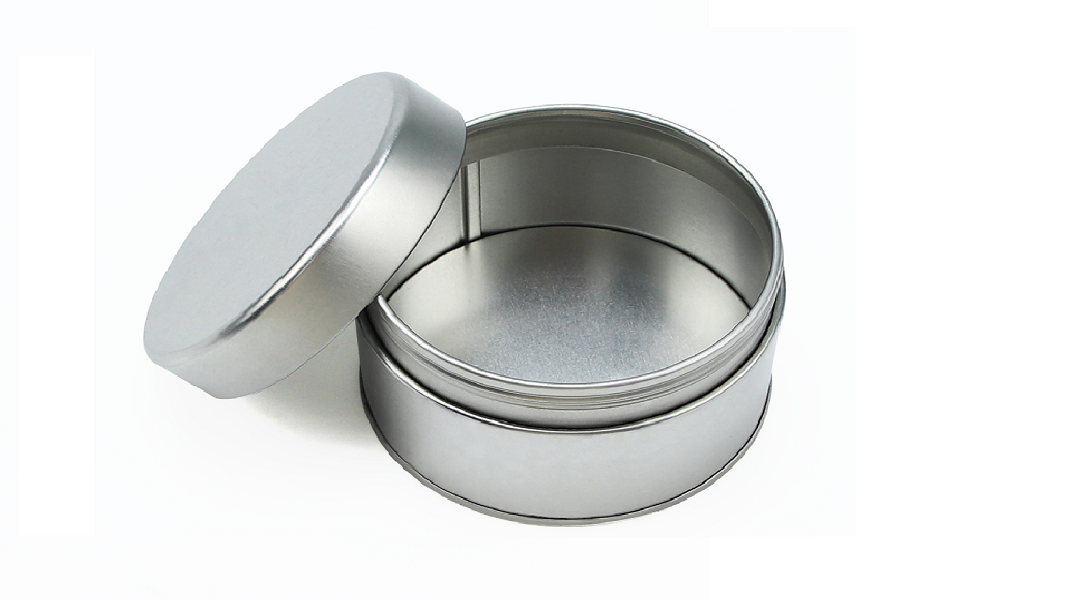
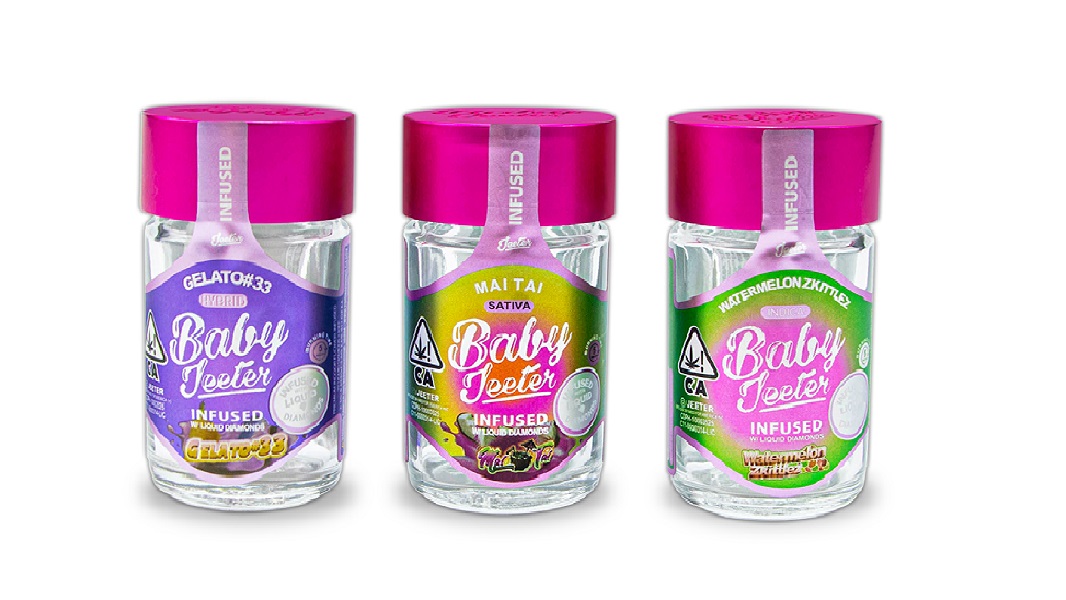
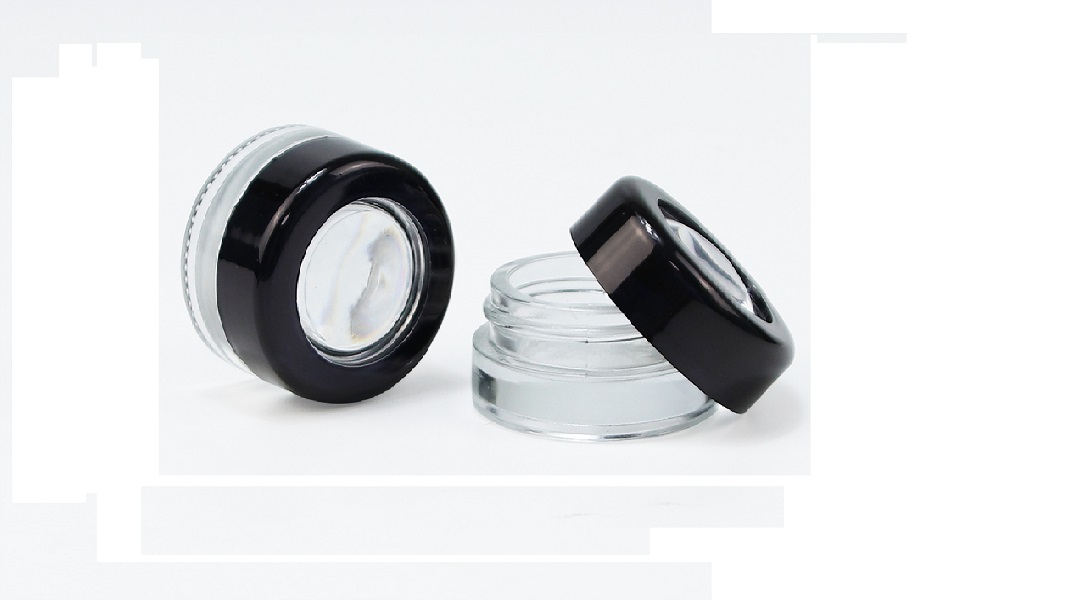
Reusable packaging (jars, tins, storage boxes) gaining popularity
Prediction: Brands failing to demonstrate sustainability risk losing shelf access in EU markets.
Even mid-range smoking accessories are adopting high-end packaging cues:
Matte textures, soft-touch coatings
Minimalist typography and neutral color palettes
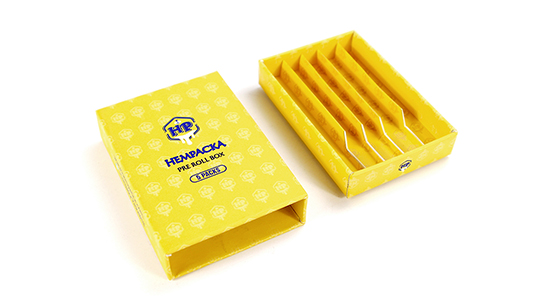
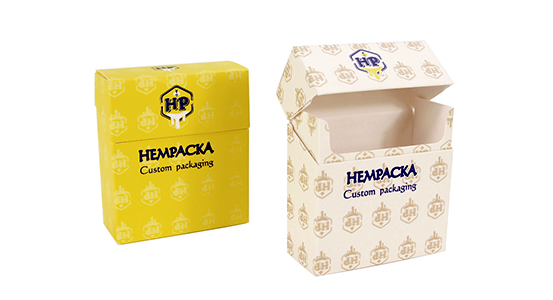
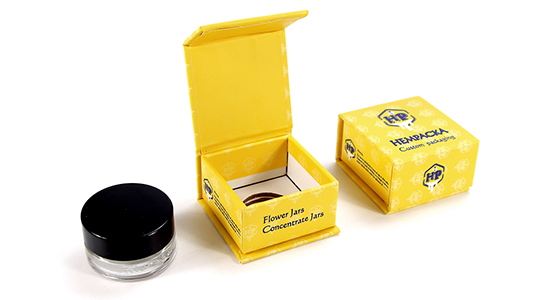
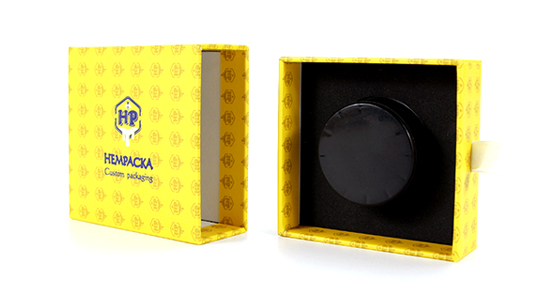
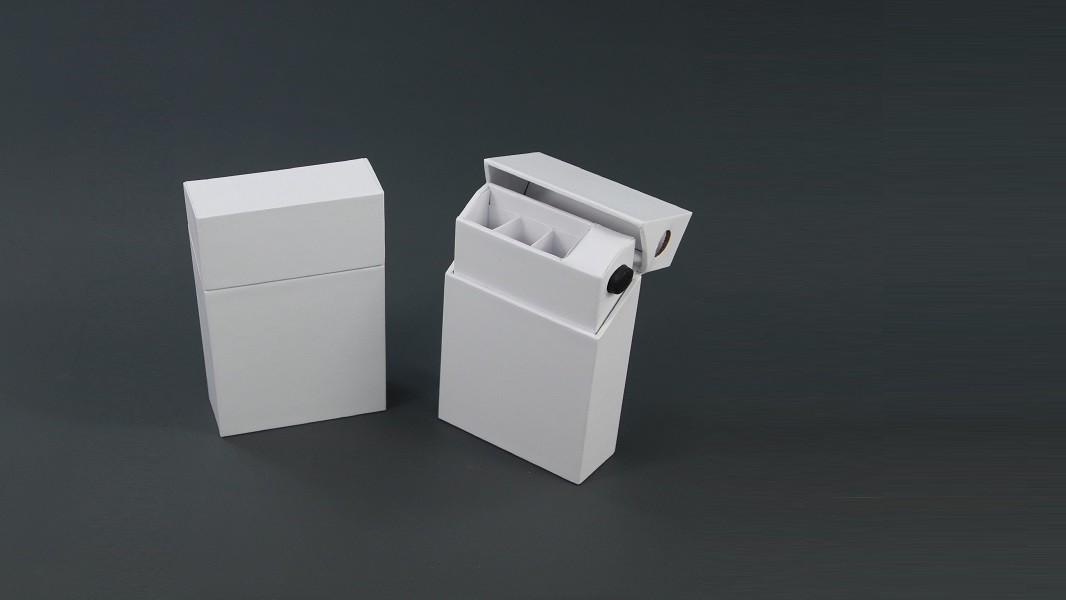
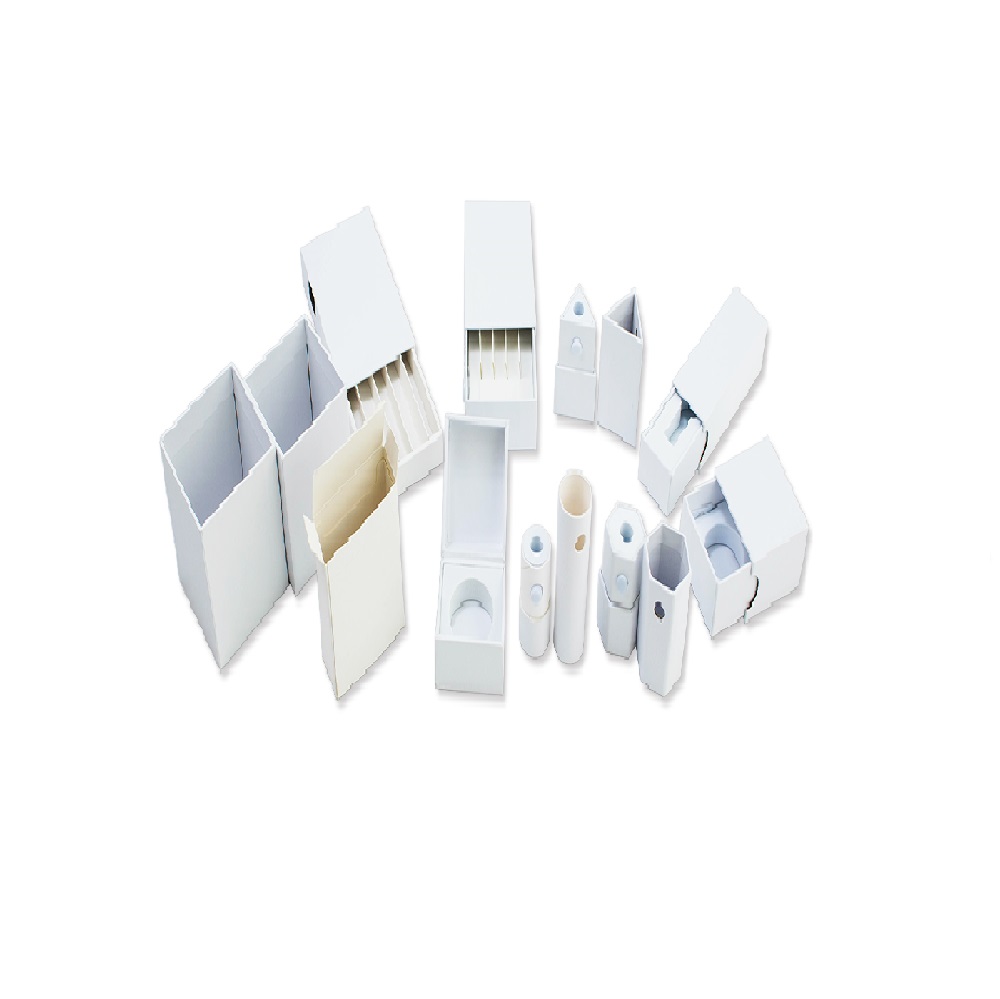
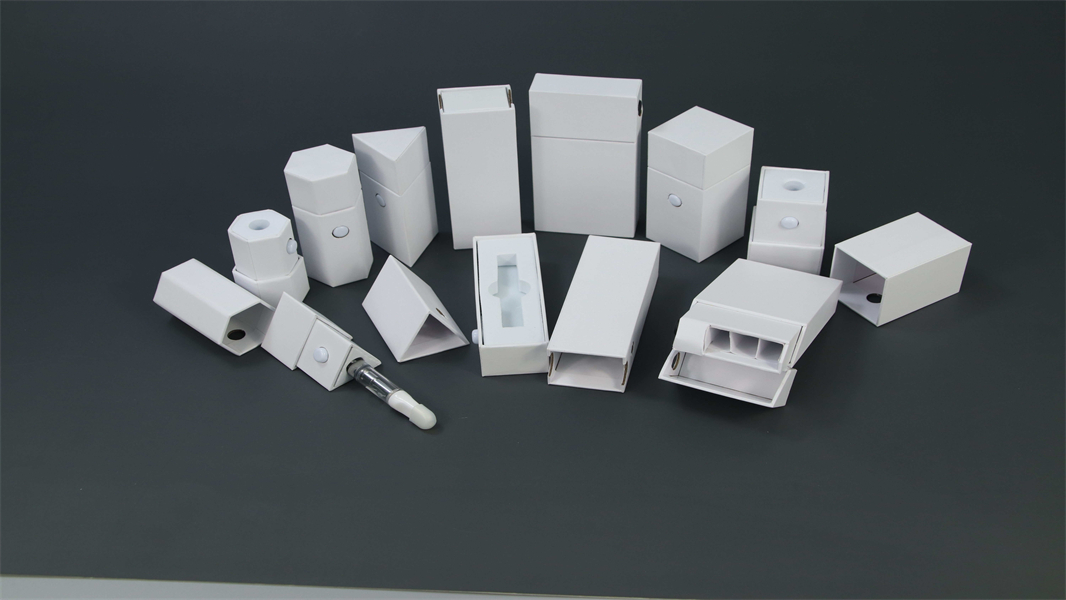
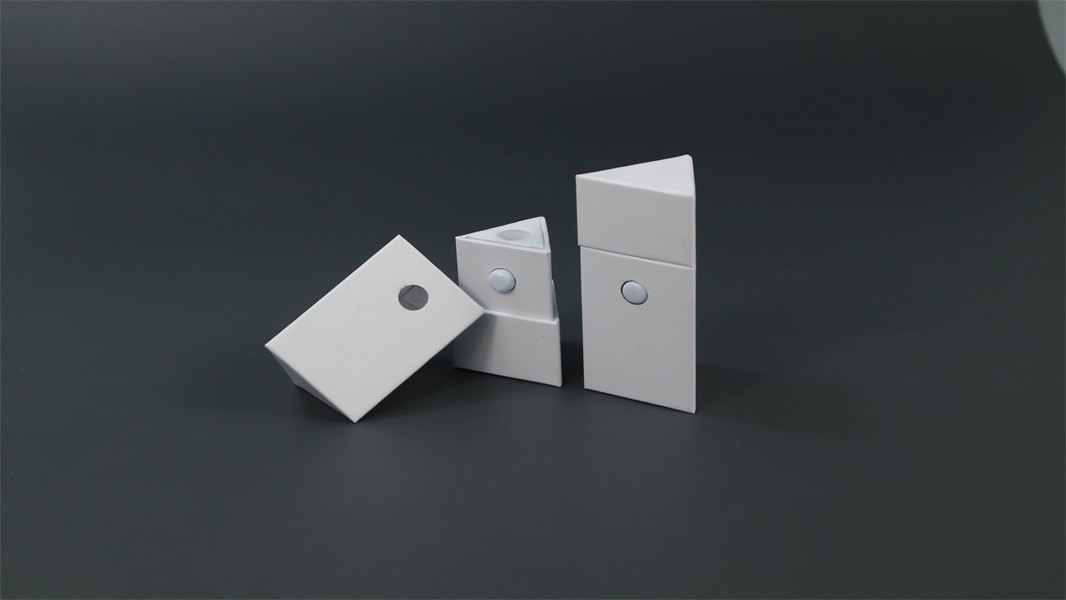
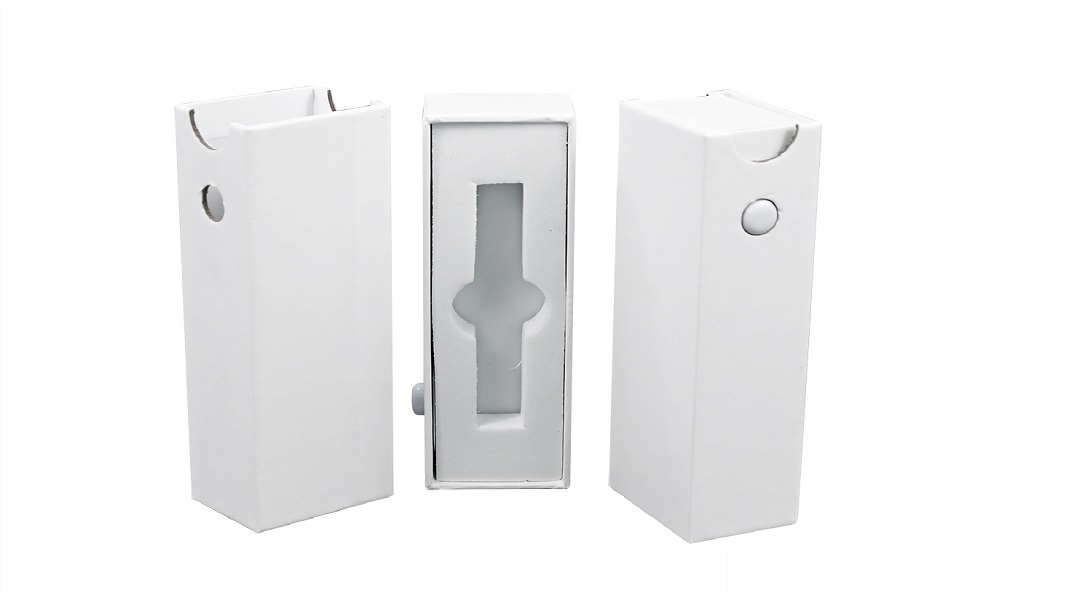
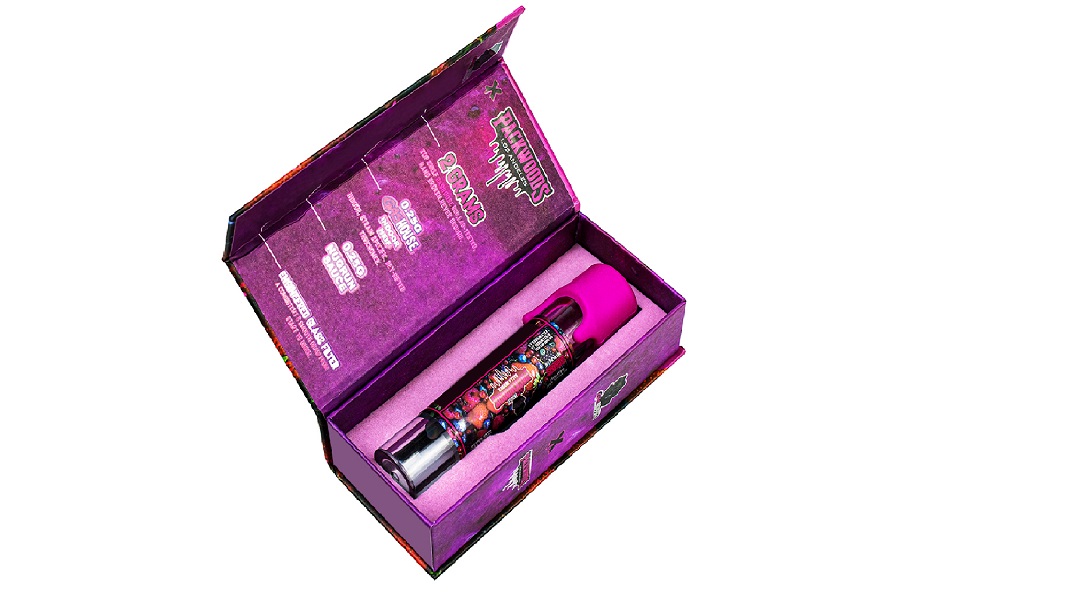
Drawer boxes, magnetic closures, and layered unboxing
Packaging designed for display, not disposal
Prediction: Packaging will increasingly resemble luxury lifestyle goods, not consumables.
While still emerging, smart packaging will steadily grow in premium segments:
QR/NFC-enabled authentication & traceability
Digital storytelling and product education
Freshness or humidity indicators for sensitive products
Anti-counterfeiting features for oils and cartridges
Prediction: Smart elements will first dominate premium and limited-edition SKUs, then scale down as costs fall.
Regulations in Europe and some U.S. states will continue to influence packaging:
Reduced visual clutter
Clear compliance labeling
Controlled use of colors and graphics
Greater reliance on form, material, and texture to convey brand value
The broader smoking accessories market is expected to grow steadily through 2030.
Packaging value growth is projected to outpace product growth, due to:
Higher per-unit packaging spend
Increased demand for premium and custom solutions
Short-run and limited-edition packaging models
Packaging Material | 2024 Estimated Share | 2027 Projection | 2030 Projection | Trend Direction |
Paper & Paperboard | 34% | 38% | 42% | ▲ Strong growth |
Plastic (standard) | 28% | 22% | 18% | ▼ Declining |
Glass | 15% | 18% | 20% | ▲ Growing |
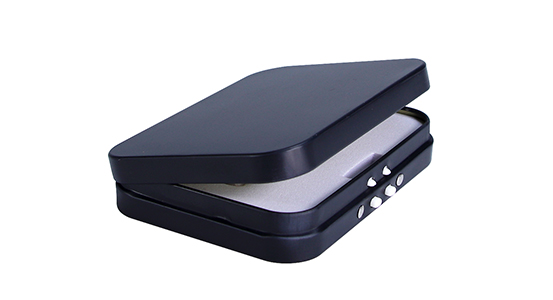
Metal (tins, cases) | 8% | 9% | 10% | ▲ Stable growth |
Composite / Smart Materials | 5% | 8% | 10% | ▲ Rapid growth |
Other (wood, leather, etc.) | 10% | 5% | 0–3% | ▼ Niche use |
Note: Percentages are directional forecasts based on industry signals, sustainability regulations, and premium-market behavior.
Minimalist luxury replaces loud graphics
Neutral, natural color systems (stone, sand, charcoal, olive)
Modular packaging for different SKUs
Refill-friendly structures
Artist collaborations as limited seasonal drops
Looking ahead, successful smoking accessories packaging will combine aesthetic restraint, material intelligence, and digital connectivity:
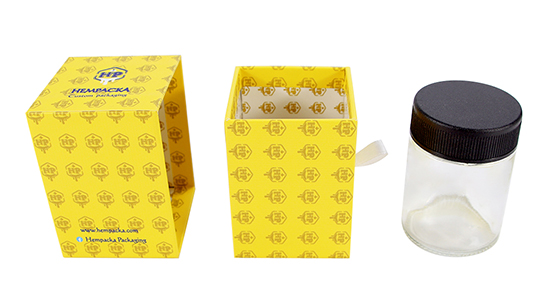
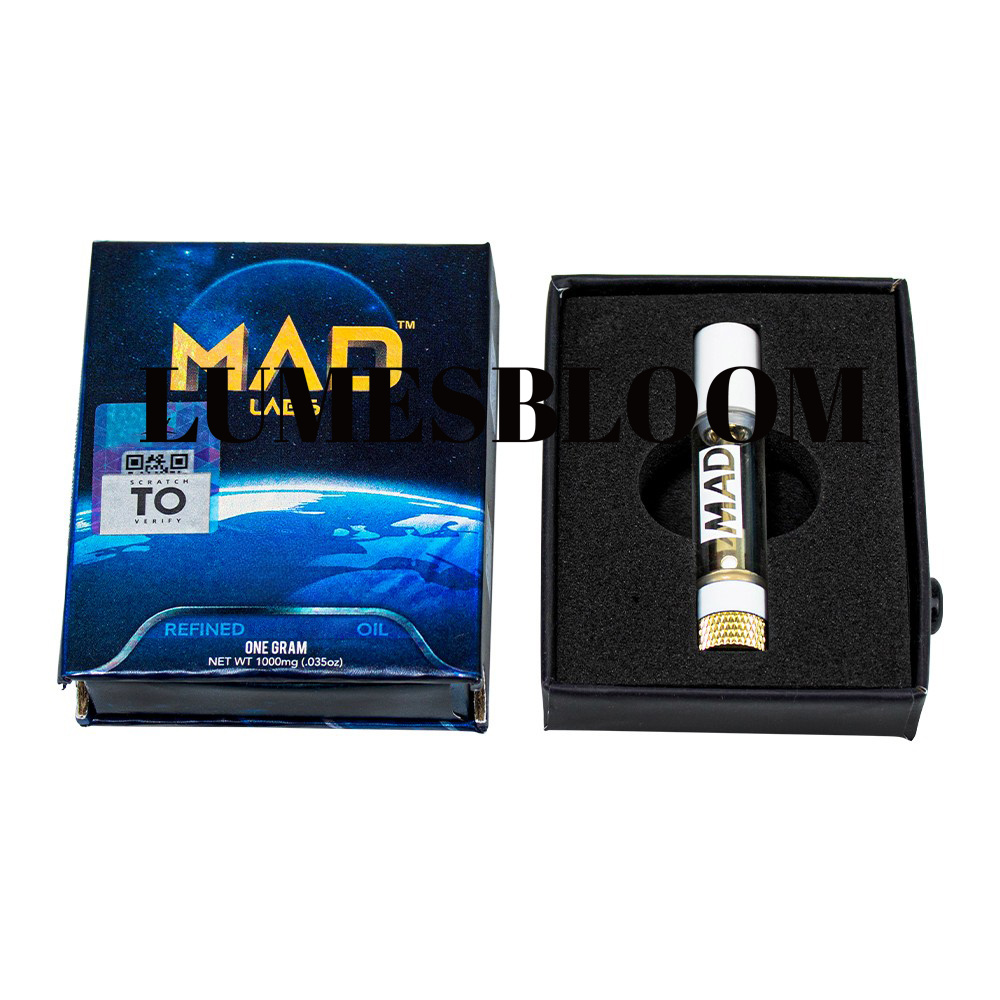
Glass oil cartridge in a recyclable paper drawer box with NFC authentication
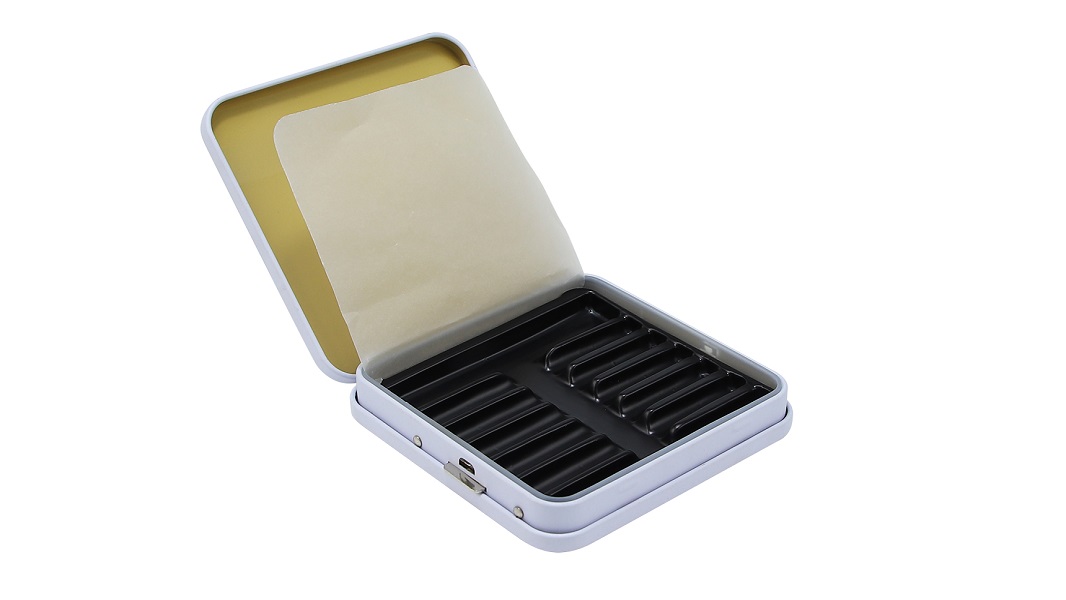
Modular smoking accessory kit with reusable storage case
Minimalist eco-packaging with AR-based product education
Premium refill system using a single long-life outer package
Between now and 2030, the European and U.S. smoking accessories packaging market will reward brands that:
Invest early in sustainable materials
Embrace premium yet compliant design
Experiment cautiously with smart packaging
Treat packaging as a brand asset, not a cost
The future belongs to packaging that is responsible, refined, and ready for digital integration.
I’ve prepared future-trend concept visuals to match these forecasts, including:
Smart minimalist packaging
Eco-premium paper + glass systems
Connected packaging concepts